How-To Guides

How to Cook Whole Pork Cheeks

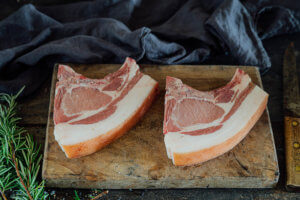
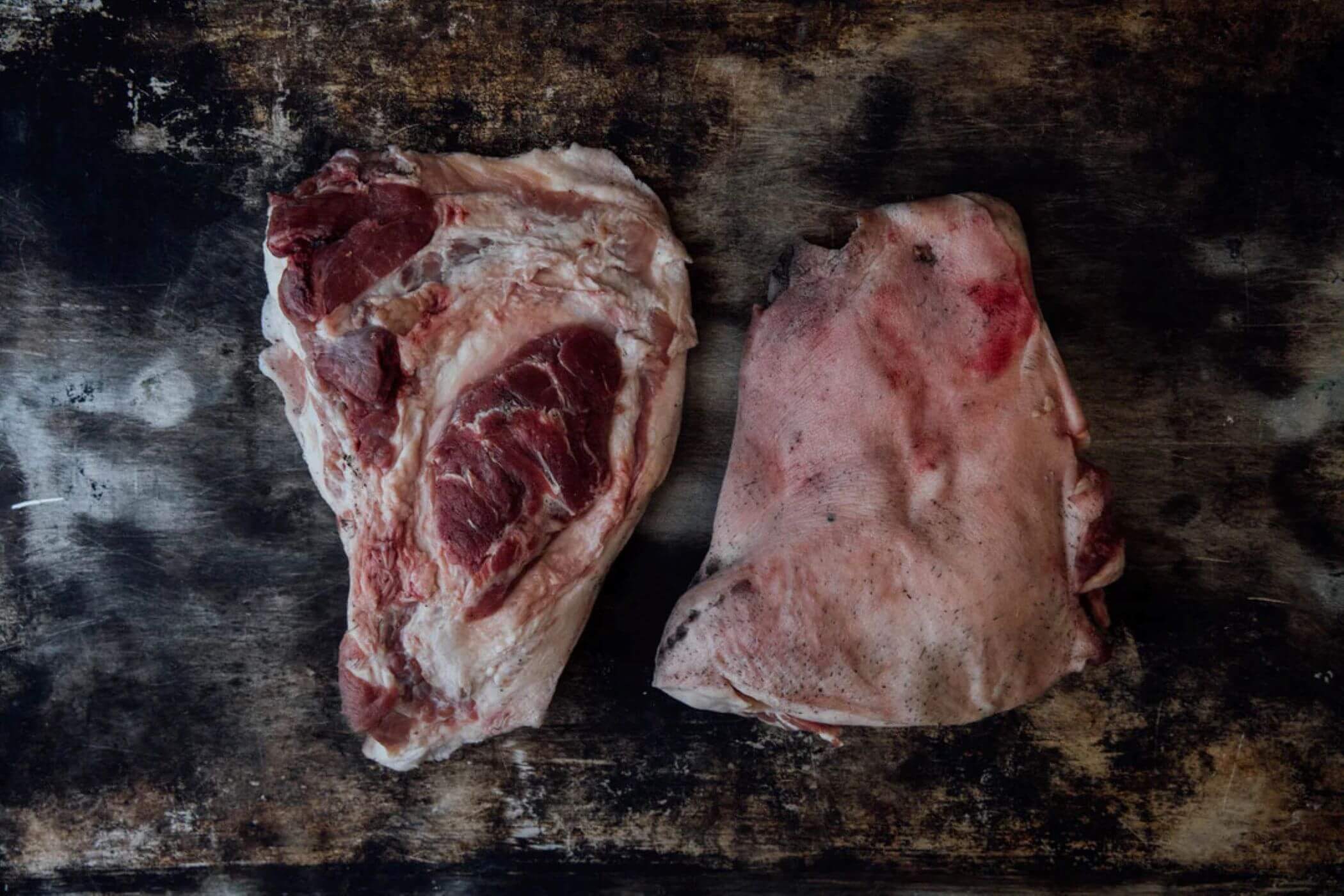
Full, rind-on pork cheek, uncooked.

What Are Whole Pork Cheeks?

How to Cook Whole Pork Cheeks: Pork cheeks are exactly what they sound like – the cheek muscle of a pig. This hardworking cut benefits from long, slow cooking to achieve meltingly tender results while delivering exceptional depth of flavour. Like many hardworking cuts, pork cheeks reward patience with rich, unctuous meat that’s perfect for slow-cooked dishes.

Our whole pork cheeks, sourced from free-range, native-breed pigs, are a celebration of flavour and traditional butchery. Slowly reared and naturally exercised, these pigs develop muscle full of character that reflects Swaledale Butchers’ nose-to-tail philosophy.

Sold whole, with the rind on, our pork cheeks allow you to explore a variety of cooking options, from slow braises to home curing. Unlike some butchers, we don’t separate the oyster muscle, as the demand would compromise our ethos. To meet this, others may source cheeks from non-free-range pigs, but at Swaledale, we remain committed to quality, sustainability, and the highest standards of butchery.

Please note: One whole rind-on pork cheek weighs approximately 850g and serves 3–4 people, making it an ideal centrepiece for a comforting meal shared with family or friends.

What Do Whole Pork Cheeks Taste Like?

Whole pork cheeks offer an incredible depth of flavour, making them a favourite among chefs and home cooks alike. This cut has a natural richness and tenderness when cooked slowly, delivering a melt-in-the-mouth texture.

One of the remarkable qualities of pork cheeks is their ability to take on the characteristics of the cooking liquor, allowing you to infuse them with layers of flavour. Whether you’re braising them in wine, beer, or a robust stock, always choose something you would enjoy drinking – now is not the time for that old, opened bottle of wine that’s edging closer to vinegar.

For a truly exceptional dish, pair pork cheeks with ingredients like Oloroso sherry, aromatic herbs, and hearty pulses. The result is a deeply satisfying and flavour-packed meal that highlights the quality and versatility of this under-appreciated cut.

How Long Does It Take to Cook Whole Pork Cheeks?

Removing the oyster muscle from the cheek allows for a shorter braising time, typically around 3–4 hours. However, when cooking whole pork cheeks with the rind and fat intact, you’ll need an additional 1–2 hours for slow cooking to achieve that tender, melt-in-the-mouth result.

Whole pork cheeks benefit from low, slow cooking methods, such as braising or slow-roasting, which break down the connective tissues and render the fat, resulting in beautifully succulent meat.

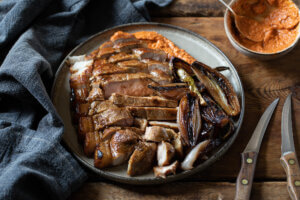
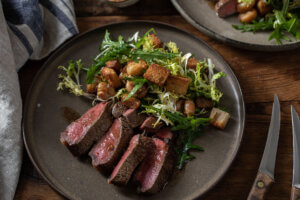
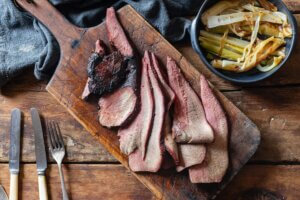
Alternatively, Chef Valentine Warner takes a unique approach by roasting the pork cheeks quickly. Once cooked, he thinly slices them, showcasing a different texture and flavour profile that highlights the versatility of this cut.

Whether braised or roasted, pork cheeks reward patience with a dish packed full of rich, deep flavour and unbeatable tenderness.

How to Cook Whole Pork Cheeks

Whole pork cheeks are a wonderfully indulgent cut, offering incredible depth of flavour and a melt-in-the-mouth texture when cooked correctly. This method focuses on slow-cooking to ensure the cheeks become perfectly tender, while the cooking liquor and soffritto create a rich, hearty dish that’s full of character.

Please note: One whole pork cheek weighs approximately 850g and serves 3–4 people, making it an ideal centrepiece for a comforting meal shared with family or friends.

  1. Prepare the Cheeks: Bring the whole pork cheeks to room temperature before cooking. This ensures even cooking throughout.
  2. Preheat the Oven: Set your oven to 135ºC (275ºF).
  3. Trim the Fat: Using a sharp knife or kitchen scissors, carefully trim away any excess fat from the cheeks, leaving enough to keep the meat moist and enhance flavour during cooking.
  4. Season the Cheeks: Generously season the pork cheeks with sea salt and freshly cracked black pepper, ensuring an even coating all over.
  5. Brown the Cheeks: Heat a few tablespoons of olive oil in an oven-proof casserole dish over medium-high heat. Add the pork cheeks and sear them on all sides until they develop a deep, golden-brown crust. Once browned, remove the cheeks and set them aside.
  6. Cook Down the Soffritto: In the same casserole dish, reduce the heat to medium and add a soffritto base – finely diced onions, carrots, and celery. Stir frequently, cooking until soft and lightly caramelised. A pinch of salt will help draw out moisture and enhance flavour.
  7. Deglaze the Pan: Pour in your chosen cooking liquor – such as red wine, Oloroso sherry, or dark beer – and scrape up the browned bits from the bottom of the dish. Allow the liquid to reduce slightly to intensify the flavour, then add enough chicken stock to create a rich braising liquid.
  8. Braise the Cheeks: Return the browned pork cheeks to the casserole dish, nestling them into the liquid. The cheeks should be partially submerged in the braising liquor. Cover the dish with a tight-fitting lid.
  9. Slow-Cook: Place the casserole dish in the centre of the preheated oven and cook for approximately 3 hours. Check occasionally to ensure the liquid hasn’t reduced too much, topping up with more stock if needed.
  10. Test for Doneness: The pork cheeks are ready when they can be easily pierced with a fork, and the meat is tender enough to fall apart.
  11. Rest and Serve: Remove the casserole dish from the oven and let the cheeks rest for 10–15 minutes. Serve the pork cheeks with the rich braising liquid and a side of crusty bread, creamy mashed potatoes, or lentils to soak up the incredible flavours.

Top Tips for Cooking Whole Pork Cheeks

Choosing the Right Cooking Liquor: Pork cheeks are incredibly versatile and will take on the flavours of the cooking liquor beautifully. Options like cider, beer, stout, red wine, or Oloroso sherry work wonderfully, each imparting its unique depth of flavour to the dish.

  • Cider brings a sweet, tangy note that pairs beautifully with pork’s richness.
  • Beer or Stout adds a malty, slightly bitter depth, perfect for a hearty, rustic dish.
  • Red Wine delivers bold, robust flavours, especially when paired with aromatic herbs like thyme or rosemary.
  • Sherry, particularly Oloroso, adds a nutty, slightly sweet complexity that elevates the dish to something truly special.

Whichever you choose, always opt for something you’d happily drink yourself – this isn’t the time to pour in that bottle gathering dust at the back of the cupboard. And don’t forget to set aside another bottle to enjoy alongside the meal – after all, a great dish deserves a great pairing!

Whole Pork Cheek Recipe

George Ryle’s Whole Pork Cheek Recipe with Chickpeas, Oloroso & Sweet Onions is a rustic, Andalusian-inspired dish showcasing a single, slow-cooked pork cheek. Braised low and slow with hearty chickpeas, sweet onions, and Oloroso sherry, the result is tender, flavourful meat and a rich, savoury broth. Finished with a splash of sherry vinegar for balance, this dish is perfect served with crusty bread and a chilled glass of Fino sherry.

Classic Pork Cheek Cooking Methods

Slow-Braised Pork Cheeks in Red Wine
A timeless, French-inspired pork cheek recipe where the cheeks are seared until golden and then slow-braised with red wine, shallots, carrots, garlic, and fresh thyme. The result is tender, melt-in-the-mouth pork cheeks in a rich, velvety sauce. Serve this with creamy mashed potatoes or polenta for an indulgent, comforting dish.

Pork Cheeks with Cider and Apples
A classic British pork cheek recipe that celebrates the balance of savoury and sweet. Braise the cheeks in dry cider with onions, sage, and whole apples until perfectly tender. The apples’ natural sweetness complements the savoury pork and cider, creating a warming autumnal dish. Pair this with buttered greens and plenty of crusty bread to soak up the delicious juices.

Spanish Braised Pork Cheeks with Chorizo and Paprika
For a taste of Spain, this recipe features slow-cooked pork cheeks braised with spicy chorizo, smoked paprika, tomatoes, and white wine. The chorizo’s rich oil infuses the dish with smoky, bold flavours, making it a standout meal. Serve alongside patatas bravas or saffron rice to complete this Spanish-inspired feast.

Italian Pork Cheeks with White Wine and Polenta
An Italian pork cheek recipe perfect for a refined yet hearty meal. The cheeks are braised in white wine with garlic, rosemary, and a splash of lemon for a bright, aromatic flavour. Serve this tender dish over creamy polenta, finishing with a sprinkle of Parmigiano Reggiano for added richness.

Crispy Roasted Pork Cheeks
For an alternative texture, try crispy roasted pork cheeks. Cooked skin-on, the cheeks achieve a beautifully golden crackling while the meat beneath remains tender and succulent. Start by scoring the skin, rubbing with salt and herbs, and roasting low and slow before finishing with a high-heat blast for that irresistible crunch. Perfect served with roasted root vegetables or braised greens.


Order meat online

Instagram

  • A classic of French cooking, built on combinations that have stood their ground for good reason, and long may they do so.

Chicken breast roasted in brown butter, creamy mash worked with plenty of butter and dairy, and a mustard sauce brought together with cream. It reads rich, but it eats with balance. The Dijon and tarragon cut through, lifting the dish and keeping it in check.
  • A classic of French cooking, built on combinations that have stood their ground for good reason, and long may they do so.

Chicken breast roasted in brown butter, creamy mash worked with plenty of butter and dairy, and a mustard sauce brought together with cream. It reads rich, but it eats with balance. The Dijon and tarragon cut through, lifting the dish and keeping it in check.

This is food that does not chase anything. It knows exactly what it is.
  • Filmed on a blustery day at the Harewood House estate, Ellen talks us through the Highland cattle and the wider farming approach shaping the land here.

These short films look at how the estate is guiding the land back towards what it once was, using the right livestock for the right terrain and allowing systems to work with the landscape rather than against it. Hardy cattle, able to outwinter on pasture alone, reduce the need for inputs and bring a different kind of balance to the farm.

For chefs, this is where the story begins. The flavour comes later, but it is built here, in the fields, through decisions made over time rather than in a single season.

It is a strong example of thoughtful farming, where lower inputs and careful management can support both the land and a sustainable margin, all driven by a clear intention to make the estate work for nature as much as it does for people.
  • We love it when a plan comes together! And this little project with @llewelynslondon provides a great example. 

It all started with a trip up to Swaledale HQ, to see the butchery and meet the team; bacon, black pudding and egg baps were laid on fo breakfast. Then it was off to see one of our network of farmers; Jim Mallender, over in Thornton in craven. Jim and his family showed us round and held a sort of farming Q&A. Then we cooked some cuts on a bbq and sampled the llewelyns take on a hotpot. Truly bringing farmers and chef together and a wonderful day for all involved. 

Off the back of the visit a special dinner an d a three course menu of dreams. It celebrates not just our produce and their cooking but also the 6 beautiful years that head chef michael (@skinnylittlefatman) has spent at the helm of this charming restaurant. 

We are extremely excited to eat and drink tonight to celebrate all those things.
  • There might not be a food that is more of this generation than fried chicken. It’s eminently Instagram-able (or TikTok-able depending on your age), malleable to various cuisines and extremely delicious. Plus, it has just the right amount of technique, if you know what I mean. The sort of thing that, if you’re not giving it the requisite thought and attention, can be a bit ropey. No danger of that here though…

@Grylos has given it the Swaledale treatment, i.e. keeping it simple, making it delicious and showing off our incredible meat. So, with no more than a saffron aioli, some shredded iceberg and a few sliced pickles, this is the fried chicken burger of dreams! Oh, sorry, nearly forgot the crispy chicken skin – told you there was just the right amount of technique. 

There are few things that we would want to munch down for lunch more than one of these bad boys. Give ‘em a whirl!
  • Always good to welcome chefs to the butchery. Earlier this week the teams from @llewelynslondon came up to see us. We showed them around the cutting room, talked through how we work, then headed up the hill for a bit of cooking and conversation.

For many chefs it is the first chance to see the whole journey. From the farms and fields where the animals are raised, through our ageing rooms, and finally into the kitchens that cook it.

If you are a chef and fancy a visit this year, you would be very welcome. Send us a message and we will put the kettle on.
  • March sits between seasons. Winter has not quite loosened its grip, and there is still time, and need, for fortifying pleasures. A bowl of chicken broth is one of them.

It begins with a proper chicken stock. Just bones and time in the pot, slowly giving up their flavour until the liquid runs clear and deeply savoury. If you watched our earlier film on how to break down a whole chicken, this is where the rest of it finds its purpose.

From there the broth is built. Pearl barley for substance. Cavolo nero and turnips for the season. Simple things, allowed to do their work in good stock.

Just before serving, a small splash of oloroso lifts the whole bowl.
  • On a recent trip down to London we spent time in some very good kitchens, talking to serious chefs, and the conversation kept returning to farming. Not trends or noise, but where the beef is truly coming from.

We kept bringing up the work at the Harewood House estate.

It is a project we intend to give real focus to this year, because what has been achieved there, and what continues to develop, deserves attention. On a recent visit we walked the fields with Ellen, spending time with the Highlands that many walkers know from the estate’s mires, quietly becoming unlikely stars of TikTok. Beautiful cattle, carefully and thoughtfully managed.

They have been fully outwintered and fed only on pasture. Stock levels are low, grazing is controlled, and the result is clear in their condition.

This beef is now heading into some of the most loved kitchens in the country and the response is and feedback is very good.

A short film will follow, but for now it is worth recognising the work. We look forward to sharing more from Harewood in the months ahead.
A classic of French cooking, built on combinations that have stood their ground for good reason, and long may they do so. Chicken breast roasted in brown butter, creamy mash worked with plenty of butter and dairy, and a mustard sauce brought together with cream. It reads rich, but it eats with balance. The Dijon and tarragon cut through, lifting the dish and keeping it in check.
6 days ago
7
View on Instagram |
1/8
A classic of French cooking, built on combinations that have stood their ground for good reason, and long may they do so. Chicken breast roasted in brown butter, creamy mash worked with plenty of butter and dairy, and a mustard sauce brought together with cream. It reads rich, but it eats with balance. The Dijon and tarragon cut through, lifting the dish and keeping it in check. This is food that does not chase anything. It knows exactly what it is.
6 days ago
505
View on Instagram |
2/8
Filmed on a blustery day at the Harewood House estate, Ellen talks us through the Highland cattle and the wider farming approach shaping the land here. These short films look at how the estate is guiding the land back towards what it once was, using the right livestock for the right terrain and allowing systems to work with the landscape rather than against it. Hardy cattle, able to outwinter on pasture alone, reduce the need for inputs and bring a different kind of balance to the farm. For chefs, this is where the story begins. The flavour comes later, but it is built here, in the fields, through decisions made over time rather than in a single season. It is a strong example of thoughtful farming, where lower inputs and careful management can support both the land and a sustainable margin, all driven by a clear intention to make the estate work for nature as much as it does for people.
1 week ago
63
View on Instagram |
3/8
We love it when a plan comes together! And this little project with @llewelynslondon provides a great example. It all started with a trip up to Swaledale HQ, to see the butchery and meet the team; bacon, black pudding and egg baps were laid on fo breakfast. Then it was off to see one of our network of farmers; Jim Mallender, over in Thornton in craven. Jim and his family showed us round and held a sort of farming Q&A. Then we cooked some cuts on a bbq and sampled the llewelyns take on a hotpot. Truly bringing farmers and chef together and a wonderful day for all involved. Off the back of the visit a special dinner an d a three course menu of dreams. It celebrates not just our produce and their cooking but also the 6 beautiful years that head chef michael (@skinnylittlefatman) has spent at the helm of this charming restaurant. We are extremely excited to eat and drink tonight to celebrate all those things.
2 weeks ago
57
View on Instagram |
4/8
There might not be a food that is more of this generation than fried chicken. It’s eminently Instagram-able (or TikTok-able depending on your age), malleable to various cuisines and extremely delicious. Plus, it has just the right amount of technique, if you know what I mean. The sort of thing that, if you’re not giving it the requisite thought and attention, can be a bit ropey. No danger of that here though… @Grylos has given it the Swaledale treatment, i.e. keeping it simple, making it delicious and showing off our incredible meat. So, with no more than a saffron aioli, some shredded iceberg and a few sliced pickles, this is the fried chicken burger of dreams! Oh, sorry, nearly forgot the crispy chicken skin – told you there was just the right amount of technique. There are few things that we would want to munch down for lunch more than one of these bad boys. Give ‘em a whirl!
3 weeks ago
665
View on Instagram |
5/8
Always good to welcome chefs to the butchery. Earlier this week the teams from @llewelynslondon came up to see us. We showed them around the cutting room, talked through how we work, then headed up the hill for a bit of cooking and conversation.

For many chefs it is the first chance to see the whole journey. From the farms and fields where the animals are raised, through our ageing rooms, and finally into the kitchens that cook it.

If you are a chef and fancy a visit this year, you would be very welcome. Send us a message and we will put the kettle on.
Always good to welcome chefs to the butchery. Earlier this week the teams from @llewelynslondon came up to see us. We showed them around the cutting room, talked through how we work, then headed up the hill for a bit of cooking and conversation.

For many chefs it is the first chance to see the whole journey. From the farms and fields where the animals are raised, through our ageing rooms, and finally into the kitchens that cook it.

If you are a chef and fancy a visit this year, you would be very welcome. Send us a message and we will put the kettle on.
Always good to welcome chefs to the butchery. Earlier this week the teams from @llewelynslondon came up to see us. We showed them around the cutting room, talked through how we work, then headed up the hill for a bit of cooking and conversation.

For many chefs it is the first chance to see the whole journey. From the farms and fields where the animals are raised, through our ageing rooms, and finally into the kitchens that cook it.

If you are a chef and fancy a visit this year, you would be very welcome. Send us a message and we will put the kettle on.
Always good to welcome chefs to the butchery. Earlier this week the teams from @llewelynslondon came up to see us. We showed them around the cutting room, talked through how we work, then headed up the hill for a bit of cooking and conversation. For many chefs it is the first chance to see the whole journey. From the farms and fields where the animals are raised, through our ageing rooms, and finally into the kitchens that cook it. If you are a chef and fancy a visit this year, you would be very welcome. Send us a message and we will put the kettle on.
4 weeks ago
52
View on Instagram |
6/8
March sits between seasons. Winter has not quite loosened its grip, and there is still time, and need, for fortifying pleasures. A bowl of chicken broth is one of them. It begins with a proper chicken stock. Just bones and time in the pot, slowly giving up their flavour until the liquid runs clear and deeply savoury. If you watched our earlier film on how to break down a whole chicken, this is where the rest of it finds its purpose. From there the broth is built. Pearl barley for substance. Cavolo nero and turnips for the season. Simple things, allowed to do their work in good stock. Just before serving, a small splash of oloroso lifts the whole bowl.
4 weeks ago
962
View on Instagram |
7/8
On a recent trip down to London we spent time in some very good kitchens, talking to serious chefs, and the conversation kept returning to farming. Not trends or noise, but where the beef is truly coming from.

We kept bringing up the work at the Harewood House estate.

It is a project we intend to give real focus to this year, because what has been achieved there, and what continues to develop, deserves attention. On a recent visit we walked the fields with Ellen, spending time with the Highlands that many walkers know from the estate’s mires, quietly becoming unlikely stars of TikTok. Beautiful cattle, carefully and thoughtfully managed.

They have been fully outwintered and fed only on pasture. Stock levels are low, grazing is controlled, and the result is clear in their condition.

This beef is now heading into some of the most loved kitchens in the country and the response is and feedback is very good.

A short film will follow, but for now it is worth recognising the work. We look forward to sharing more from Harewood in the months ahead.
On a recent trip down to London we spent time in some very good kitchens, talking to serious chefs, and the conversation kept returning to farming. Not trends or noise, but where the beef is truly coming from.

We kept bringing up the work at the Harewood House estate.

It is a project we intend to give real focus to this year, because what has been achieved there, and what continues to develop, deserves attention. On a recent visit we walked the fields with Ellen, spending time with the Highlands that many walkers know from the estate’s mires, quietly becoming unlikely stars of TikTok. Beautiful cattle, carefully and thoughtfully managed.

They have been fully outwintered and fed only on pasture. Stock levels are low, grazing is controlled, and the result is clear in their condition.

This beef is now heading into some of the most loved kitchens in the country and the response is and feedback is very good.

A short film will follow, but for now it is worth recognising the work. We look forward to sharing more from Harewood in the months ahead.
On a recent trip down to London we spent time in some very good kitchens, talking to serious chefs, and the conversation kept returning to farming. Not trends or noise, but where the beef is truly coming from. We kept bringing up the work at the Harewood House estate. It is a project we intend to give real focus to this year, because what has been achieved there, and what continues to develop, deserves attention. On a recent visit we walked the fields with Ellen, spending time with the Highlands that many walkers know from the estate’s mires, quietly becoming unlikely stars of TikTok. Beautiful cattle, carefully and thoughtfully managed. They have been fully outwintered and fed only on pasture. Stock levels are low, grazing is controlled, and the result is clear in their condition. This beef is now heading into some of the most loved kitchens in the country and the response is and feedback is very good. A short film will follow, but for now it is worth recognising the work. We look forward to sharing more from Harewood in the months ahead.
1 month ago
58
View on Instagram |
8/8