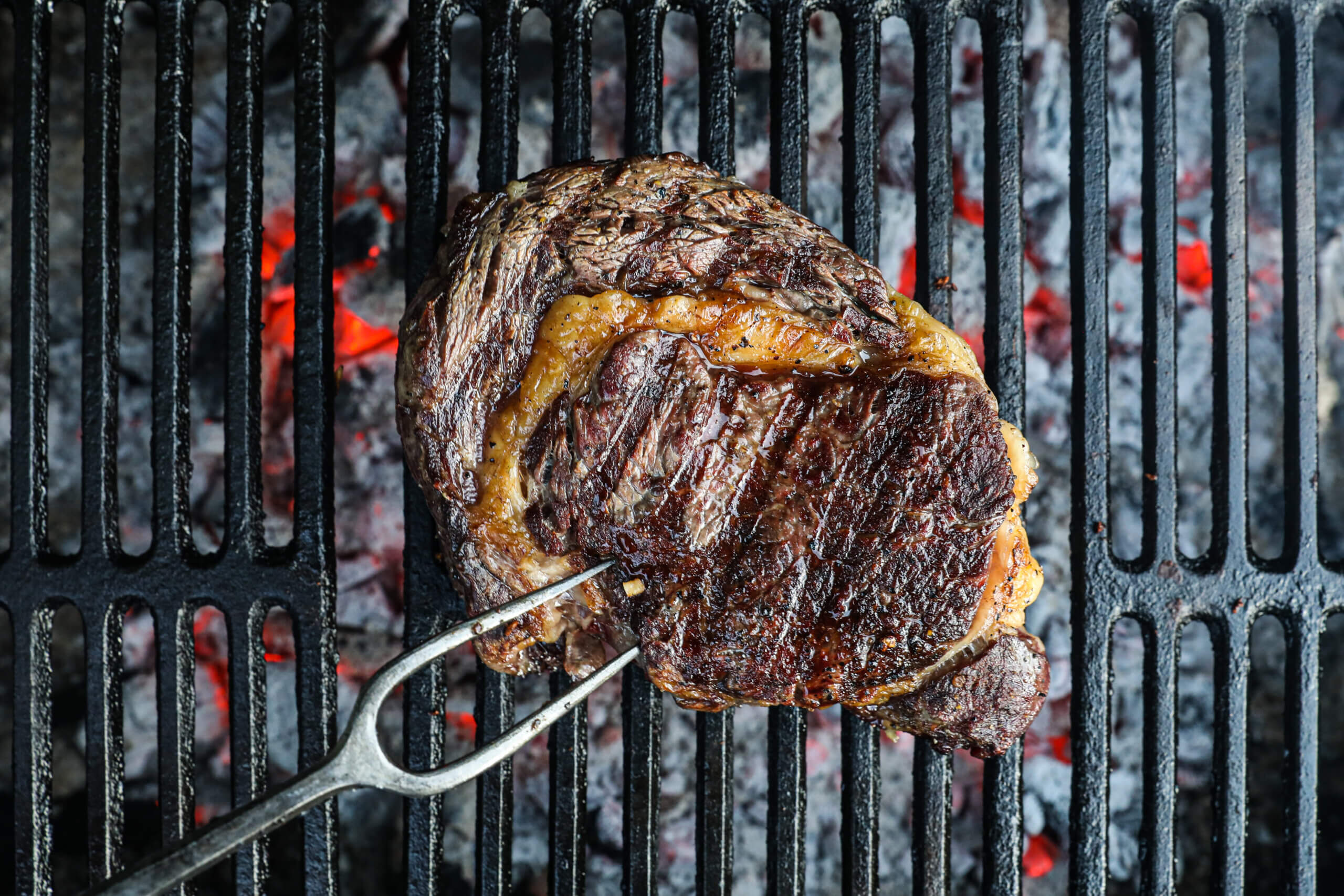
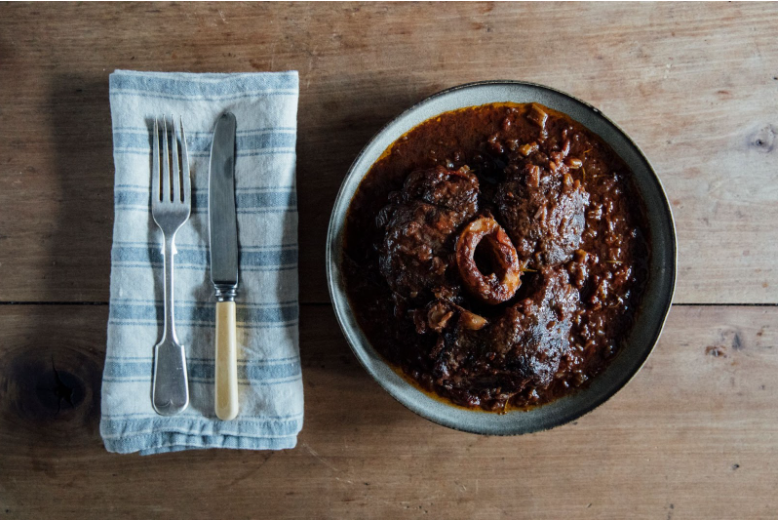
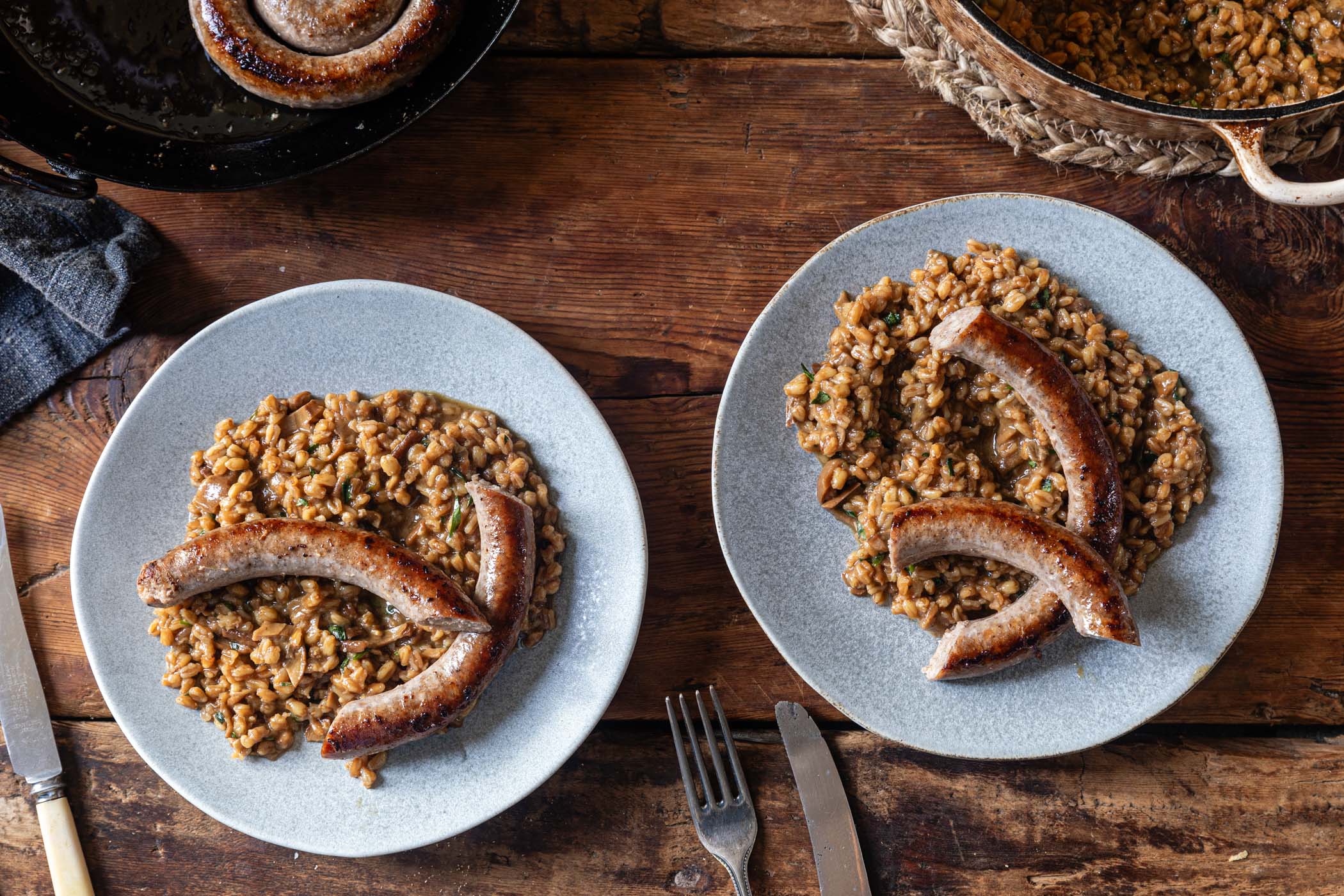
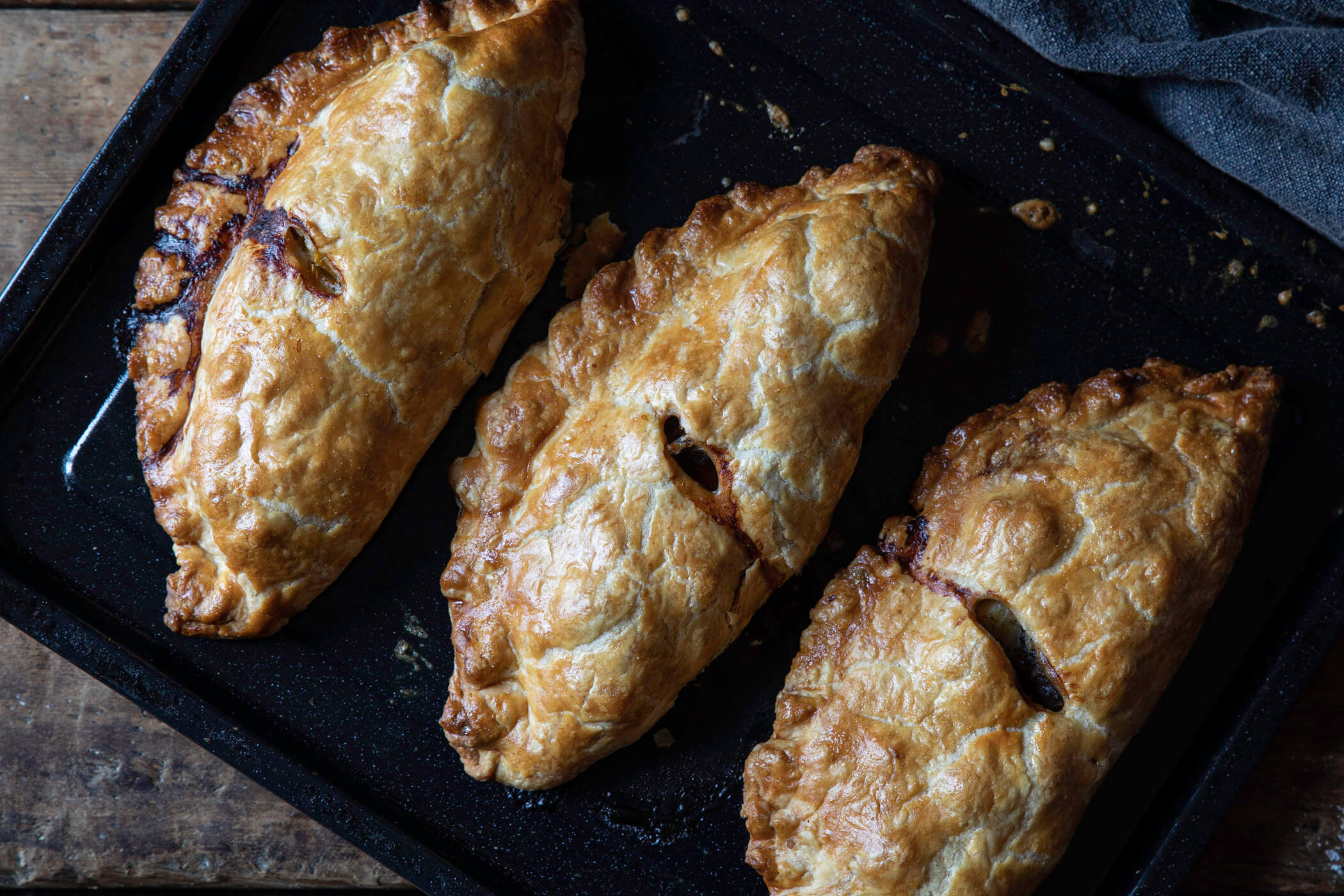
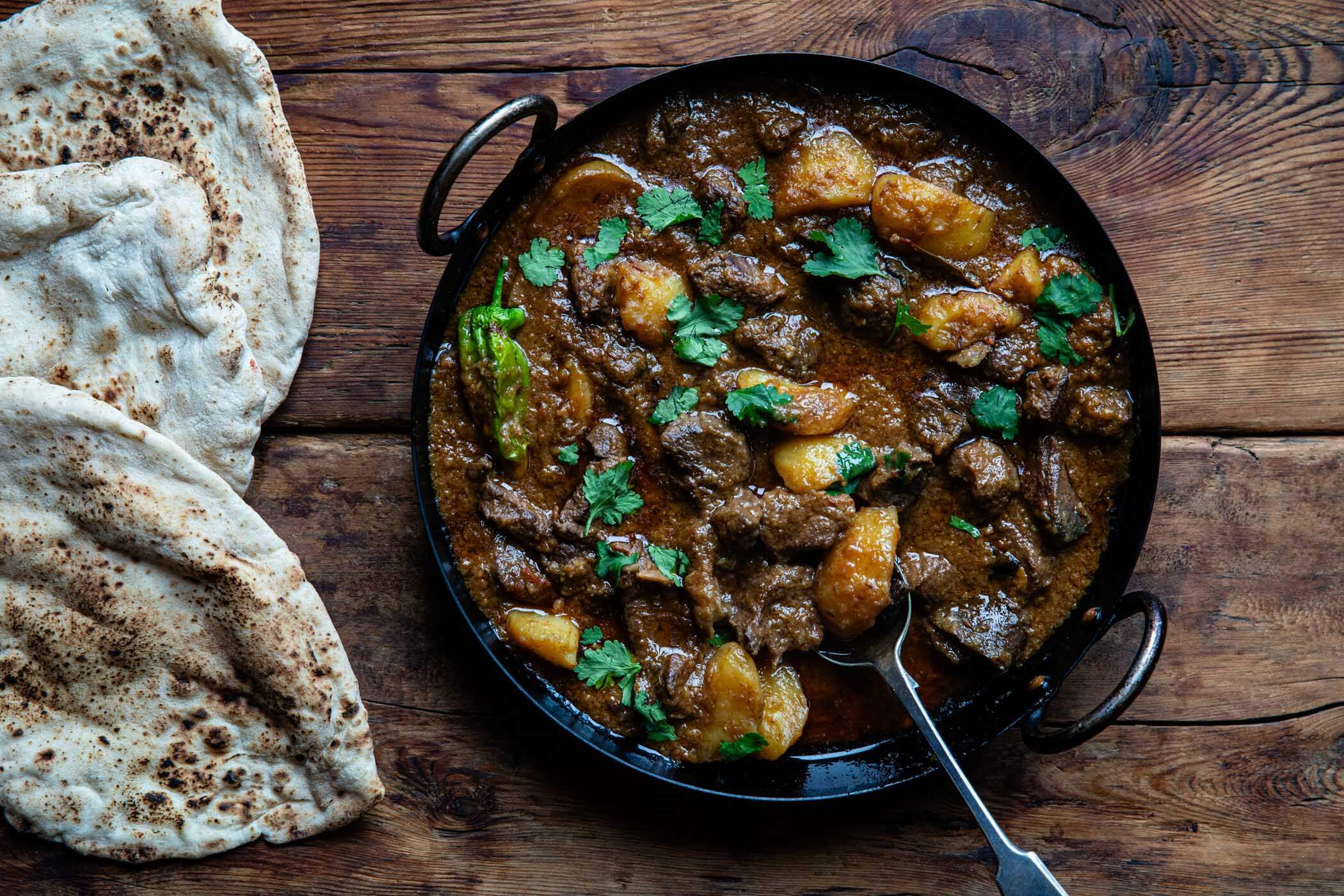
Mutton has earned itself an unfair reputation. For centuries it was simply the meat we ate. Lamb is, in many ways, the modern preference, made possible by refrigeration and global trade. Before that shift, it would have made little sense to slaughter an animal before it had lived fully and bred. Sheep were kept for wool and continuity, and when their working life was complete, they became mutton.
It was part of a cycle. Practical and sustaining. What changed was not the meat, but our habits.
Yet not all mutton is equal. Age alone does not create depth. Mutton reflects the life it has lived. When sheep are kept longer and allowed to graze widely on varied forage, moorland grasses and herbal leys, time and terrain build complexity into the muscle and fat.
That is the mutton we favour and source. Darker, firmer and deeper in flavour, shaped by prolonged grazing on moorland such as this, just outside Skipton.
There was once a rhythm between wool on our backs and mutton on our tables. Perhaps that rhythm still makes sense.
1 week ago