How-To Guides

How to Cook a Cumberland Sausage

What Makes a Cumberland Sausage Ring Unique?

How to Cook a Cumberland Sausage: A Traditional British Favourite
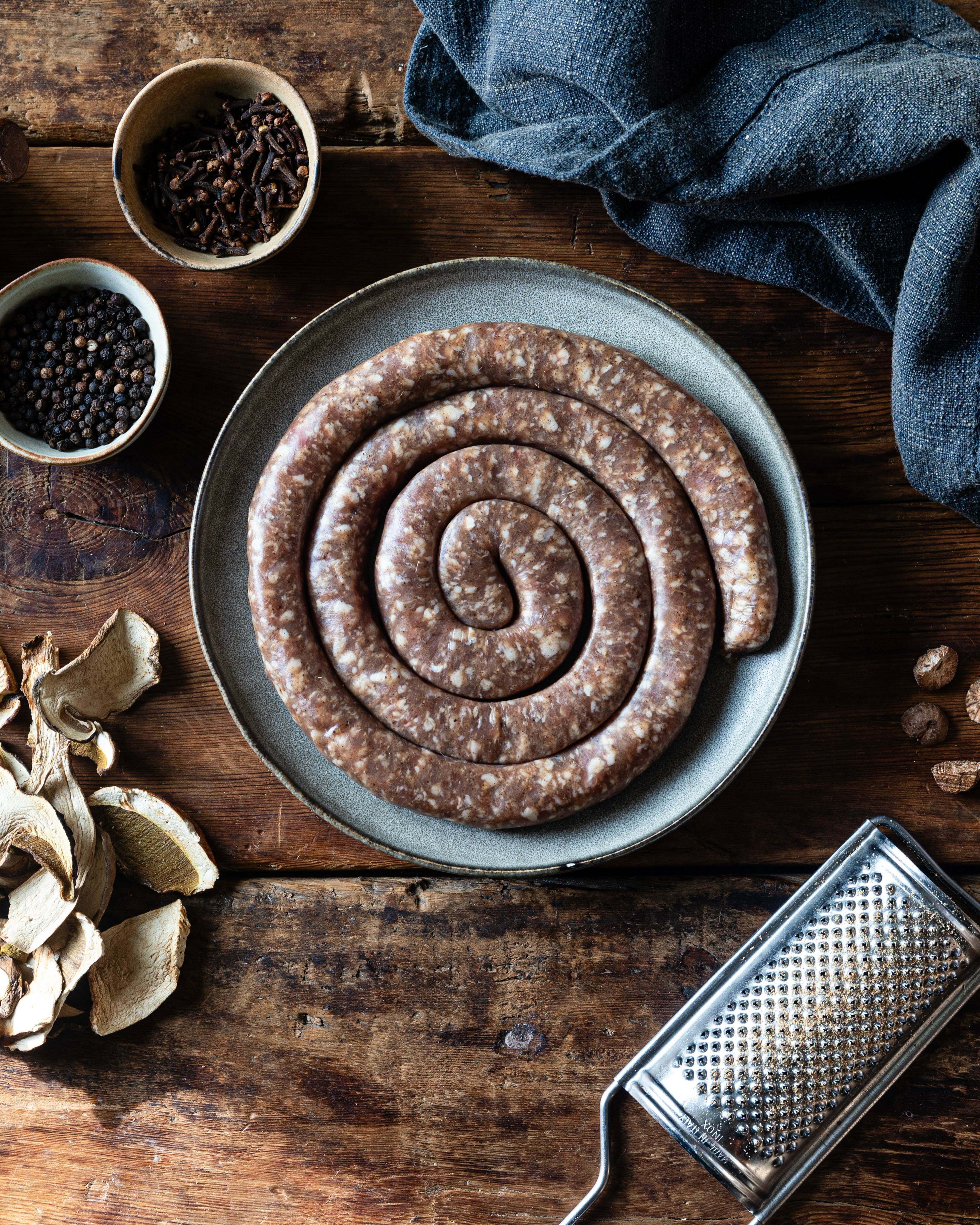
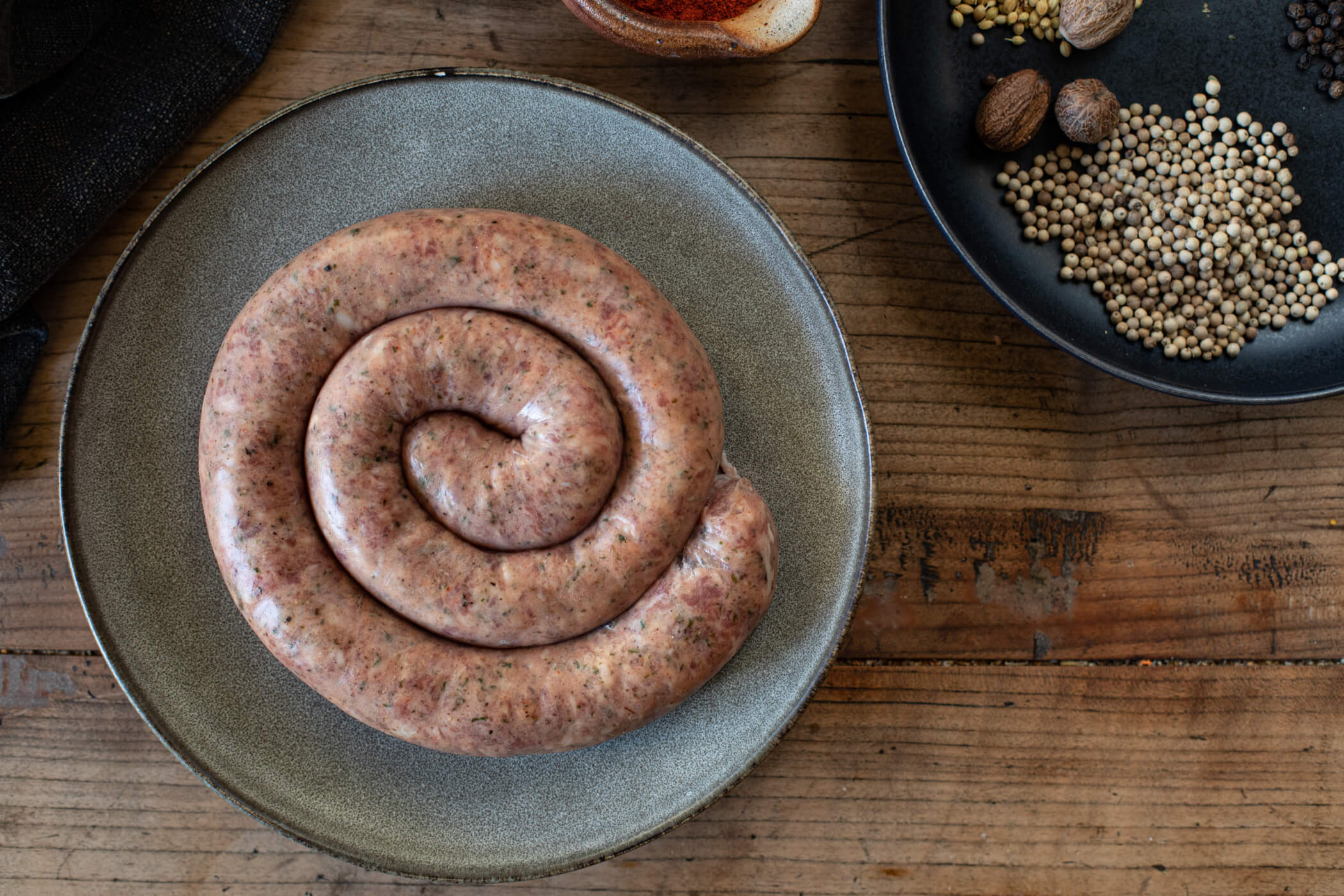
A famous name among sausage enthusiasts and meat lovers across the UK, the Cumberland sausage is a classic coiled (unlinked) sausage, traditionally made in a ring rather than as individual links. This iconic sausage must contain a minimum of 80% pork, known for its bold, peppery seasoning and hearty texture.

While modern versions have toned down the spice to suit changing palates, Swaledale Butchers stays true to the original recipe, delivering a potent pepper hit, balanced with cayenne, nutmeg, ginger, and mace. Another key feature of Cumberland sausage is its chunky texture, as the meat is chopped rather than finely minced, ensuring a satisfyingly robust bite.

Using our preferred shoulder and belly cuts, these succulent sausages have just the right amount of fat content for a juicy, meaty, and flavoursome experience – perfect for traditional British breakfasts, sausage casseroles, or a classic sausage and creamy mashed potato.

Cumberland Sausage Ring: Cooking Time & Best Methods

Best Way to Cook a Cumberland Sausage
The traditional Cumberland sausage is known for its signature coiled shape and bold seasoning. Cooking it properly ensures a juicy, flavourful bite with a perfect balance of caramelisation and tenderness.

Traditional Cumberland Sausage Cooking Method
The most traditional way to cook a Cumberland sausage is to slow-bake it in the oven at a medium heat. This allows the seasoning to fully develop and ensures the sausage cooks evenly without bursting.

How Long to Cook a Cumberland Sausage

  • Oven-Baked: Place the Cumberland sausage ring on a lined baking tray and bake at 180°C (fan) / 200°C for 15-20 minutes, turning halfway through for an even cook.
  • Pan-Fried: Heat a non-stick frying pan over medium-low heat, add a splash of oil, and fry the sausage for 12-15 minutes, turning frequently to develop a rich, golden crust.
  • Barbecued: Cook over medium-hot coals, turning occasionally, for 10-12 minutes, ensuring it is cooked through without drying out.

Pan-Fry vs Oven-Bake: Cumberland Sausage

  • Oven-baking is the best option for a slow, even cook with minimal effort, keeping the sausage juicy inside while crisping up the casing.
  • Pan-frying delivers a beautifully caramelised exterior but requires careful attention to prevent burning.
  • Barbecuing adds a delicious smoky depth, making it perfect for outdoor cooking.

For best results, allow the sausage to come to room temperature for 30 minutes before cooking and let it rest for a few minutes after cooking to lock in the juices.

How to Cook a Cumberland Sausage Ring in the Oven

  1. Remove your Cumberland sausage ring from the packaging and pat it dry with kitchen paper to remove excess moisture.
  2. Preheat your oven to 200ºC (fan 180ºC).
  3. Lightly rub a little olive oil over the sausage ring to enhance browning.
  4. Place the sausage in a non-stick or lined baking tray, ensuring the coil stays intact.
  5. Bake for 15-20 minutes, turning occasionally, until the top is golden brown and crisp.
  6. Check that the sausage is cooked through, with no pinkness in the centre.
  7. Rest for a few minutes before serving to allow the juices to settle.
  8. Tuck in and enjoy!

How to Cook a Cumberland Sausage Ring in a Frying Pan

  1. Remove your Cumberland sausage ring from the packaging and pat it dry with kitchen paper.
  2. Place a non-stick frying pan over medium-low heat and add a small drizzle of olive oil.
  3. Carefully place the sausage ring in the pan, keeping the coil intact.
  4. Turn the sausage approximately every 4 minutes to ensure even cooking and browning on all sides.
  5. Cook for around 15-20 minutes – resist the temptation to turn the heat up too high. The key is to cook it low and slow, allowing the sausage to heat evenly while developing a beautiful golden-brown crust.
  6. Check the sausage is cooked through, with no pinkness in the centre.
  7. Rest for a few minutes before serving.
  8. Tuck in and enjoy!

Top Tips for Cooking a Cumberland Sausage Ring

Bring to Room Temperature – Take your Cumberland sausage ring out of the fridge 30 minutes before cooking to ensure even cooking.

???? Low & Slow is Best – Avoid high heat, as it can dry out the sausage and cause the casing to split. A medium-low heat allows the fat to render properly, keeping the sausage juicy and full of flavour.

???? Turn Regularly – Whether you’re pan-frying or oven-baking, turn your sausage ring every few minutes to achieve an even golden-brown crust without burning.

???? Use the Right Fat – A small drizzle of olive oil helps prevent sticking, but don’t overdo it – Cumberland sausages have plenty of natural fat that will render out during cooking.

????️ Check for Doneness – The best way to check if your Cumberland sausage ring is fully cooked is by using a meat thermometer. The internal temperature should reach 75°C for safe consumption. If you don’t have a thermometer, cut into the thickest part of the sausage – there should be no pinkness and the juices should run clear.

????️ Rest Before Serving – Once cooked, allow the sausage ring to rest for a few minutes before slicing. This helps the juices redistribute, keeping it moist and tender.

???? Experiment with Cooking Methods – While oven-baking and pan-frying are the most common methods, try grilling your Cumberland sausage ring over indirect heat for a delicious, smoky finish.

Cumberland Sausage Ring Recipe Ideas

The Cumberland sausage ring is as versatile as it is delicious, making it a staple for a variety of comforting dishes. Whether you’re serving it as a showstopping centrepiece or incorporating it into a hearty meal, this coiled sausage offers bold, peppery flavour and a satisfying meaty bite.

Classic Comfort: Cumberland Sausage with Creamy Mash & Onion Gravy
A traditional pairing that never fails – serve your Cumberland sausage ring with buttery mashed potatoes and rich caramelised onion gravy for the ultimate British comfort food.

A Hearty Breakfast Addition
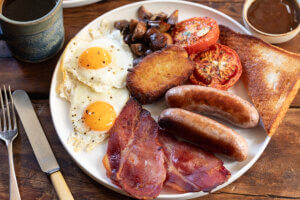
For those who love a full English breakfast, the Cumberland sausage ring is a perfect centrepiece, bringing depth of flavour to eggs, bacon, tomatoes, and black pudding. Simply slice it into thick rounds or serve whole for a rustic touch.

One-Pot Wonder
Sam Nixon’s Cumberland Sausage Cassoulet is the answer to low-effort, high-reward cooking. Slow-cooked in a rich, herby tomato sauce with butter beans and smoked bacon, it delivers all the warmth and comfort of a classic French cassoulet in just one pot – perfect for an easy midweek meal. See the full recipe on our journal – a dish packed with bold, comforting flavours and minimal washing up.

Whichever way you choose to enjoy it, the Cumberland sausage ring guarantees hearty, satisfying flavour in every bite.


Order meat online

Instagram

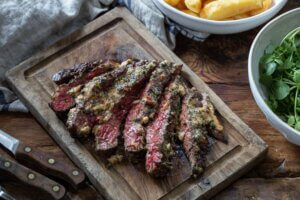
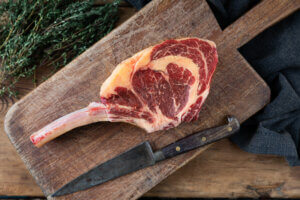
  • Take a little inspiration from our very own grill master @grylos when it comes to cooking your big, bone in steaks. This method takes time, skill and plenty of patience but the result is a deep, dark char, beautiful blushing pink flesh and melting buttery fat. We can safely say, after this day we spent in the field, that it is well worth the effort. Close to steak perfection. 

Plus, he knocked up a charred spring vegetable green sauce, which was an ideal foil for that most delicious of steaks – clever boy. 

The idea is to spend time building a char and crust with many short visits to the hottest part of the grill, interspersed with time away from the grill, somewhere warm, slowly coming up to temperature. Placing it directly on the coals at the end is a bit of a gimmick, however, it did yield excellent results, so maybe give it a go (only if you have good quality charcoal though!)!

Steak perfection!!
  • To our friends down south, you might have noticed Yorkshire is still a good few weeks behind the march towards summer. The trees are only just coming into leaf in the Dales, especially up in Upper Wharfedale, and that gives us a little more time with the wild garlic.

Here is @grylos with what feels like one of his best ideas to date.

A proper use of those essential carcass balance cuts. Lamb hearts, though this would work just as well with tongues, sweetbreads or liver. Cooked simply, well seasoned, finished with a little lemon.

Alongside it, wild garlic taken from the darker, shaded parts of the woodland where it is still fresh. Even if it has started to turn, it holds up. Treated like spinach, wilted down, then cooked with oil, salt and cream, left to reduce until it becomes rich and full of flavour.

A brilliant little starter for our chefs blackboards, and something that will more than hold its own at home.

A dish for the season, if ever there was one.
  • We are reaching the end of our wild garlic sausages, as the season begins to slip away and only the deeper, shaded pockets of woodland still offer the tender leaves we rely on.

It is from these cooler, quieter areas that we are still able to gather what we need, though even here the plants are beginning to turn, and once the flowers arrive, the flavour shifts and our time with wild garlic comes to a close for another year.

As ever, we follow the season rather than stretch it, working with what is left while it is still at its best, which means if you have been enjoying them, or have been meaning to try them, now is the time to cook them or put a few aside for later.

Before long, they will be gone, and we will wait for spring to bring them back again.
  • A while back we had the pleasure of visiting @petea25 at the @cantonarms Arms, where we spoke about their ever evolving menu, a place that is not afraid to cook things until they are gone and then move on to something new.

We saw how they treated the Swaledale pork chop, and it told you everything you needed to know. Cooked with care, handled properly, and full of flavour.

It was, simply, delicious.
  • Here’s our Trevor, stood in front of an expertly butchered sirloin section.

Porterhouse, T bone, Wing rib, New York strip, fillet, sirloin.

All cut from the same part of the animal, each one offering something slightly different.

Key question is; which one are you taking?
  • The Dales never hurry themselves into spring, and this year is no different. You can drive through them and still feel winter holding on, yet something has shifted all the same.

It begins quietly. Hawthorn shows along the hedgerows, just enough to catch the eye. The grass is lifting, the fields softening, losing that tired, flattened look they carry through the colder months.

Out on the land, the change is clearer. Lambs are scattered across the fields, finding their feet, while cattle have been turned back out and settle easily into the pasture. There is a rhythm to it again, a sense that the farms are beginning to move.

Nothing arrives all at once. It comes on steadily, almost cautiously, as the land turns back to life.
  • The fallacy of Spring lamb!

When we eat lamb in early April, we aren’t eating the lovely little fluffy things people see hopping about in the fields. In fact, you’re actually eating – or at least you are if you are buying from us – old season lamb. The animals that were born the previous springtime. They are age wise, on the verge of morphing into hogget and, in our opinion, it is lamb at its very best. More flavourful as the meat has developed with age, but still with the tenderness one expects with lamb. 
One thing that is not in doubt is that it pairs perfectly with a lot of the seasonal ingredients of this time of year, the peas, broad beans and courgettes from the continent, plus Jersey royals, asparagus and wild garlic from these shores. 
We have plenty of these wonderful carcasses ageing in our fridges, so embrace the idea of eating last years spring lamb!
  • A classic of French cooking, built on combinations that have stood their ground for good reason, and long may they do so.

Chicken breast roasted in brown butter, creamy mash worked with plenty of butter and dairy, and a mustard sauce brought together with cream. It reads rich, but it eats with balance. The Dijon and tarragon cut through, lifting the dish and keeping it in check.
Take a little inspiration from our very own grill master @grylos when it comes to cooking your big, bone in steaks. This method takes time, skill and plenty of patience but the result is a deep, dark char, beautiful blushing pink flesh and melting buttery fat. We can safely say, after this day we spent in the field, that it is well worth the effort. Close to steak perfection. Plus, he knocked up a charred spring vegetable green sauce, which was an ideal foil for that most delicious of steaks – clever boy. The idea is to spend time building a char and crust with many short visits to the hottest part of the grill, interspersed with time away from the grill, somewhere warm, slowly coming up to temperature. Placing it directly on the coals at the end is a bit of a gimmick, however, it did yield excellent results, so maybe give it a go (only if you have good quality charcoal though!)! Steak perfection!!
4 days ago
67424
View on Instagram |
1/8
To our friends down south, you might have noticed Yorkshire is still a good few weeks behind the march towards summer. The trees are only just coming into leaf in the Dales, especially up in Upper Wharfedale, and that gives us a little more time with the wild garlic. Here is @grylos with what feels like one of his best ideas to date. A proper use of those essential carcass balance cuts. Lamb hearts, though this would work just as well with tongues, sweetbreads or liver. Cooked simply, well seasoned, finished with a little lemon. Alongside it, wild garlic taken from the darker, shaded parts of the woodland where it is still fresh. Even if it has started to turn, it holds up. Treated like spinach, wilted down, then cooked with oil, salt and cream, left to reduce until it becomes rich and full of flavour. A brilliant little starter for our chefs blackboards, and something that will more than hold its own at home. A dish for the season, if ever there was one.
1 week ago
1669
View on Instagram |
2/8
We are reaching the end of our wild garlic sausages, as the season begins to slip away and only the deeper, shaded pockets of woodland still offer the tender leaves we rely on.

It is from these cooler, quieter areas that we are still able to gather what we need, though even here the plants are beginning to turn, and once the flowers arrive, the flavour shifts and our time with wild garlic comes to a close for another year.

As ever, we follow the season rather than stretch it, working with what is left while it is still at its best, which means if you have been enjoying them, or have been meaning to try them, now is the time to cook them or put a few aside for later.

Before long, they will be gone, and we will wait for spring to bring them back again.
We are reaching the end of our wild garlic sausages, as the season begins to slip away and only the deeper, shaded pockets of woodland still offer the tender leaves we rely on.

It is from these cooler, quieter areas that we are still able to gather what we need, though even here the plants are beginning to turn, and once the flowers arrive, the flavour shifts and our time with wild garlic comes to a close for another year.

As ever, we follow the season rather than stretch it, working with what is left while it is still at its best, which means if you have been enjoying them, or have been meaning to try them, now is the time to cook them or put a few aside for later.

Before long, they will be gone, and we will wait for spring to bring them back again.
We are reaching the end of our wild garlic sausages, as the season begins to slip away and only the deeper, shaded pockets of woodland still offer the tender leaves we rely on.

It is from these cooler, quieter areas that we are still able to gather what we need, though even here the plants are beginning to turn, and once the flowers arrive, the flavour shifts and our time with wild garlic comes to a close for another year.

As ever, we follow the season rather than stretch it, working with what is left while it is still at its best, which means if you have been enjoying them, or have been meaning to try them, now is the time to cook them or put a few aside for later.

Before long, they will be gone, and we will wait for spring to bring them back again.
We are reaching the end of our wild garlic sausages, as the season begins to slip away and only the deeper, shaded pockets of woodland still offer the tender leaves we rely on. It is from these cooler, quieter areas that we are still able to gather what we need, though even here the plants are beginning to turn, and once the flowers arrive, the flavour shifts and our time with wild garlic comes to a close for another year. As ever, we follow the season rather than stretch it, working with what is left while it is still at its best, which means if you have been enjoying them, or have been meaning to try them, now is the time to cook them or put a few aside for later. Before long, they will be gone, and we will wait for spring to bring them back again.
2 weeks ago
731
View on Instagram |
3/8
A while back we had the pleasure of visiting @petea25 at the @cantonarms Arms, where we spoke about their ever evolving menu, a place that is not afraid to cook things until they are gone and then move on to something new. We saw how they treated the Swaledale pork chop, and it told you everything you needed to know. Cooked with care, handled properly, and full of flavour. It was, simply, delicious.
2 weeks ago
37010
View on Instagram |
4/8
Here’s our Trevor, stood in front of an expertly butchered sirloin section.

Porterhouse, T bone, Wing rib, New York strip, fillet, sirloin.

All cut from the same part of the animal, each one offering something slightly different.

Key question is; which one are you taking?
Here’s our Trevor, stood in front of an expertly butchered sirloin section. Porterhouse, T bone, Wing rib, New York strip, fillet, sirloin. All cut from the same part of the animal, each one offering something slightly different. Key question is; which one are you taking?
2 weeks ago
591
View on Instagram |
5/8
The Dales never hurry themselves into spring, and this year is no different. You can drive through them and still feel winter holding on, yet something has shifted all the same.

It begins quietly. Hawthorn shows along the hedgerows, just enough to catch the eye. The grass is lifting, the fields softening, losing that tired, flattened look they carry through the colder months.

Out on the land, the change is clearer. Lambs are scattered across the fields, finding their feet, while cattle have been turned back out and settle easily into the pasture. There is a rhythm to it again, a sense that the farms are beginning to move.

Nothing arrives all at once. It comes on steadily, almost cautiously, as the land turns back to life.
The Dales never hurry themselves into spring, and this year is no different. You can drive through them and still feel winter holding on, yet something has shifted all the same.

It begins quietly. Hawthorn shows along the hedgerows, just enough to catch the eye. The grass is lifting, the fields softening, losing that tired, flattened look they carry through the colder months.

Out on the land, the change is clearer. Lambs are scattered across the fields, finding their feet, while cattle have been turned back out and settle easily into the pasture. There is a rhythm to it again, a sense that the farms are beginning to move.

Nothing arrives all at once. It comes on steadily, almost cautiously, as the land turns back to life.
The Dales never hurry themselves into spring, and this year is no different. You can drive through them and still feel winter holding on, yet something has shifted all the same.

It begins quietly. Hawthorn shows along the hedgerows, just enough to catch the eye. The grass is lifting, the fields softening, losing that tired, flattened look they carry through the colder months.

Out on the land, the change is clearer. Lambs are scattered across the fields, finding their feet, while cattle have been turned back out and settle easily into the pasture. There is a rhythm to it again, a sense that the farms are beginning to move.

Nothing arrives all at once. It comes on steadily, almost cautiously, as the land turns back to life.
The Dales never hurry themselves into spring, and this year is no different. You can drive through them and still feel winter holding on, yet something has shifted all the same.

It begins quietly. Hawthorn shows along the hedgerows, just enough to catch the eye. The grass is lifting, the fields softening, losing that tired, flattened look they carry through the colder months.

Out on the land, the change is clearer. Lambs are scattered across the fields, finding their feet, while cattle have been turned back out and settle easily into the pasture. There is a rhythm to it again, a sense that the farms are beginning to move.

Nothing arrives all at once. It comes on steadily, almost cautiously, as the land turns back to life.
The Dales never hurry themselves into spring, and this year is no different. You can drive through them and still feel winter holding on, yet something has shifted all the same.

It begins quietly. Hawthorn shows along the hedgerows, just enough to catch the eye. The grass is lifting, the fields softening, losing that tired, flattened look they carry through the colder months.

Out on the land, the change is clearer. Lambs are scattered across the fields, finding their feet, while cattle have been turned back out and settle easily into the pasture. There is a rhythm to it again, a sense that the farms are beginning to move.

Nothing arrives all at once. It comes on steadily, almost cautiously, as the land turns back to life.
The Dales never hurry themselves into spring, and this year is no different. You can drive through them and still feel winter holding on, yet something has shifted all the same. It begins quietly. Hawthorn shows along the hedgerows, just enough to catch the eye. The grass is lifting, the fields softening, losing that tired, flattened look they carry through the colder months. Out on the land, the change is clearer. Lambs are scattered across the fields, finding their feet, while cattle have been turned back out and settle easily into the pasture. There is a rhythm to it again, a sense that the farms are beginning to move. Nothing arrives all at once. It comes on steadily, almost cautiously, as the land turns back to life.
3 weeks ago
481
View on Instagram |
6/8
The fallacy of Spring lamb! When we eat lamb in early April, we aren’t eating the lovely little fluffy things people see hopping about in the fields. In fact, you’re actually eating – or at least you are if you are buying from us – old season lamb. The animals that were born the previous springtime. They are age wise, on the verge of morphing into hogget and, in our opinion, it is lamb at its very best. More flavourful as the meat has developed with age, but still with the tenderness one expects with lamb. One thing that is not in doubt is that it pairs perfectly with a lot of the seasonal ingredients of this time of year, the peas, broad beans and courgettes from the continent, plus Jersey royals, asparagus and wild garlic from these shores. We have plenty of these wonderful carcasses ageing in our fridges, so embrace the idea of eating last years spring lamb!
4 weeks ago
662
View on Instagram |
7/8
A classic of French cooking, built on combinations that have stood their ground for good reason, and long may they do so. Chicken breast roasted in brown butter, creamy mash worked with plenty of butter and dairy, and a mustard sauce brought together with cream. It reads rich, but it eats with balance. The Dijon and tarragon cut through, lifting the dish and keeping it in check.
1 month ago
7
View on Instagram |
8/8