How-To Guides

How to Cook Beef Short Ribs

What Are Beef Short Ribs?

How to Cook Beef Short Ribs:Beef short ribs are a prized cut for slow cooking, delivering fall-off-the-bone majesty and deep, beefy richness. Cut from the plate section of the carcass, adjacent to the iconic rib of beef and close to the breastbone, they are ironically anything but short. In fact, they’re one of the meatiest ribs available, likely earning their name from the short length of bone in each portion rather than any lack of substance.

Short ribs lend themselves beautifully to low ‘n’ slow cooking methods, where time and gentle heat work their magic on the collagen-rich meat, transforming it into something unctuous and meltingly tender. Whether pot-roasted, braised, or smoked, the result is always deeply satisfying. Their versatility extends across cuisines – classic European preparations involve slow-braising with vegetables, beef stock, and red wine, while they are equally at home in Mexican and Asian cooking, where they absorb bold spices, tangy marinades, and umami-rich sauces with ease.

Beef Short Ribs Cooking Time

Beef short ribs need to be cooked for hours to achieve their fall-off-the-bone tenderness and full depth of flavour. This cut is rich in connective tissue and marbling, which require time to break down into a silky, unctuous texture. Whether you braise them in the oven, slow-cook them in a broth, or smoke them on the barbecue, you need to allow a minimum of 2–3 hours. However, depending on your cooking technique, temperature, and recipe, the cooking time can comfortably exceed 6 hours for truly melt-in-the-mouth results.

Cooking beef short ribs low and slow allows the collagen and fat to render down, resulting in incredibly juicy, deeply flavoured meat. If you undercook them, they can be super tough to eat, as the connective tissue remains firm and chewy. Braising in stock, wine, and aromatics creates a rich, flavourful sauce, while smoking over low heat for several hours develops a beautiful caramelised bark with an intense smoky depth. The key to perfect beef short ribs is patience – time and gentle heat will transform this robust cut into something spectacular.

Best Way to Cook Beef Short Ribs

From braising beef short ribs in stout beer for a deeply flavoured, comforting dish to slow-cooking them in a rich, aromatic Massaman curry, this versatile beef cut lends itself to a variety of cooking styles. With so many ways to prepare short ribs, there is no one-size-fits-all method – the best approach depends on your preferred flavours, cooking technique, and desired texture.

For fall-apart tenderness, slow braising in stock, wine, or beer allows the collagen-rich meat to soften into a rich, silky texture. Smoking beef short ribs over hardwood like oak or hickory creates an intensely flavoured bark while maintaining a juicy interior, perfect for barbecue enthusiasts. If you’re after bold, spiced flavours, slow-cooking them in a curry, Korean-style galbi jjim, or a sticky soy glaze infuses the meat with deep umami and aromatic depth.

Short ribs can also be oven-roasted at a low temperature, sous vide for precision tenderness, or cooked in a Dutch oven or slow cooker for a hands-off approach. No matter how you prepare them, low and slow cooking is key to unlocking the deep, beefy flavour and melt-in-the-mouth texture of heritage breed, grass-fed beef short ribs.

If you’re looking to experiment with even more flavour, learn How to Smoke Beef Short Ribs for a unique twist. Smoking them over hardwood adds an intense charred exterior while keeping the inside juicy and tender. Whether you’re after the traditional braised version or the bold smoky variety, there’s no wrong way to enjoy this delicious cut.

Top Tips for Cooking Beef Short Ribs

  • Prepare before cooking: Take your beef short ribs out of the refrigerator and remove any packaging. Pat them dry with kitchen towel to remove excess moisture and allow them to reach room temperature before cooking. This ensures even cooking and better texture.
  • Check tenderness with a fork: Once cooked, test your short ribs by inserting a fork into the meat. If the meat begins to fall off the bone, they’re ready. At this stage, all the fat between the fibres will have melted away, leaving behind delectable, joyously moist meat.
  • Let them rest before serving: For the best texture and flavour, allow your short ribs to rest for 10–15 minutes after cooking. This helps the juices redistribute, ensuring every bite is packed with moisture and richness.

By following these simple steps, you’ll achieve fall-off-the-bone tenderness and an incredible depth of flavour, whether you’re braising, smoking, or slow-roasting your beef short ribs.

Order meat online

Instagram

  • Highland cattle get photographed a lot. They are turned into cuddly toys. But beneath the coat is a hardy animal that can stand the worst of a Yorkshire winter. That is why Andy Lambert grazes them high on the Dales, on rough ground where few other breeds would thrive. They are the one of the few cattle that can turn this hard landscape into rich, delicious beef. It feeds our chefs and home cooks across the country. We are grateful for them, and it is always a pleasure to see them on the tops.
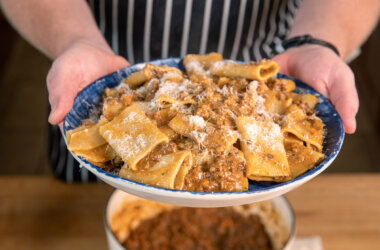
  • A ragù alla bolognese with a few top tips from chef @grylos.

Beef, pork, and a little surprise at the end for real depth. Slow cooked until rich, deep, and properly delicious.

Find the full recipe on our journal and cook it slow this weekend. What’s your secret to a good bolognese?

@grylos 
@tom_saunderson
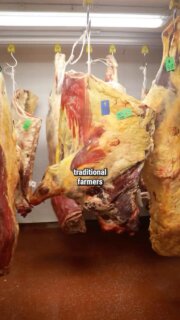
  • We love yellow fat. Do you?

This is an old Dexter. You do not see beef like this every day. When one comes in, we get a little excited.
  • One of the motivations for operating a whole carcass butchery model is access to the other bits – offal and ‘butchers cuts’. For us, they are just as important a part of the picture as the more famous, prime cuts. 
So, it gives us immense satisfaction that we now sell more of these delights then we ever have. For chefs understand that these cuts and organs offer something a little different. Yes, in terms of flavour and value but also, we think, in terms of creativity. A ribeye or a rack of lamb might inspire more classic garnishes, whereas an ox heart or a pig’s tongue allow the imaginations run a little freer. It takes skill and touch to cook these cuts well and the results can be extraordinary.
We’ll keep buying the whole carcasses, you guys keep cooking the offal and butcher’s cuts!
  • Small herds, native breeds, and wild game, all farmed and sourced with care, are what we’re about and what we care deeply for.

The partridge, often called the hedge chicken, is one of the best introductions to game. Mild, tender, full of flavour, and truly sustainable. In fact, we should be eating more of it to help prevent wastage from wild-shot game.

Here’s @grylos with an autumnal take on a classic: a partridge Caesar salad. It might just inspire you to give this delicious wild game a go.
  • Ceps, butter, onglet. A proper celebration of the season.

Available via our website…

Thanks @grylos
  • Anyone can age beef. Doesn’t make it good beef.

Great beef starts at its source. Well bred, right breed for the terrain, working with nature, not against it. Low stress, low stock density, fed on diverse pasture that isn’t overly rich or monocultured.

From there it’s about time. Then more time. And patience. And, to be honest, the right kit.

As ageing beef has become more popular, you see it in supermarkets and on high streets. But the reality is a lot of the kit used doesn’t stack up. It looks wow but creates mould. People push bad beef too far and try to make it sound interesting.

We’ve done our tests. We’ve listened to our chefs. We’ve custom-built our dry ager. And we know that when you start with quality, proper controlled ageing just enhances the flavour.
  • We’ve been gently reminded that, as butchers, we should probably say something about National Sausage Week.

Truth is, every week’s sausage week here. We love them. We make a lot of them. And, if we’re honest, we think they’re some of the best you’ll find anywhere.

Sausages sit right at the heart of proper whole-carcass butchery. They let us use everything — nose to tail — with care and craft. Made fresh, checked constantly, and built on great ingredients.

So yes, we’re partaking. Here’s 7 sausage recipes that you can find on our journal, with contributions from Jorge the Butcher, @grylos, @samnixon18, and @jacobkenedy
Highland cattle get photographed a lot. They are turned into cuddly toys. But beneath the coat is a hardy animal that can stand the worst of a Yorkshire winter. That is why Andy Lambert grazes them high on the Dales, on rough ground where few other breeds would thrive. They are the one of the few cattle that can turn this hard landscape into rich, delicious beef. It feeds our chefs and home cooks across the country. We are grateful for them, and it is always a pleasure to see them on the tops.
5 days ago
View on Instagram |
1/8
A ragù alla bolognese with a few top tips from chef @grylos. Beef, pork, and a little surprise at the end for real depth. Slow cooked until rich, deep, and properly delicious. Find the full recipe on our journal and cook it slow this weekend. What’s your secret to a good bolognese? @grylos @tom_saunderson
6 days ago
View on Instagram |
2/8
We love yellow fat. Do you? This is an old Dexter. You do not see beef like this every day. When one comes in, we get a little excited.
2 weeks ago
View on Instagram |
3/8
One of the motivations for operating a whole carcass butchery model is access to the other bits – offal and ‘butchers cuts’. For us, they are just as important a part of the picture as the more famous, prime cuts. 
So, it gives us immense satisfaction that we now sell more of these delights then we ever have. For chefs understand that these cuts and organs offer something a little different. Yes, in terms of flavour and value but also, we think, in terms of creativity. A ribeye or a rack of lamb might inspire more classic garnishes, whereas an ox heart or a pig’s tongue allow the imaginations run a little freer. It takes skill and touch to cook these cuts well and the results can be extraordinary.
We’ll keep buying the whole carcasses, you guys keep cooking the offal and butcher’s cuts!
One of the motivations for operating a whole carcass butchery model is access to the other bits – offal and ‘butchers cuts’. For us, they are just as important a part of the picture as the more famous, prime cuts. 
So, it gives us immense satisfaction that we now sell more of these delights then we ever have. For chefs understand that these cuts and organs offer something a little different. Yes, in terms of flavour and value but also, we think, in terms of creativity. A ribeye or a rack of lamb might inspire more classic garnishes, whereas an ox heart or a pig’s tongue allow the imaginations run a little freer. It takes skill and touch to cook these cuts well and the results can be extraordinary.
We’ll keep buying the whole carcasses, you guys keep cooking the offal and butcher’s cuts!
One of the motivations for operating a whole carcass butchery model is access to the other bits – offal and ‘butchers cuts’. For us, they are just as important a part of the picture as the more famous, prime cuts. 
So, it gives us immense satisfaction that we now sell more of these delights then we ever have. For chefs understand that these cuts and organs offer something a little different. Yes, in terms of flavour and value but also, we think, in terms of creativity. A ribeye or a rack of lamb might inspire more classic garnishes, whereas an ox heart or a pig’s tongue allow the imaginations run a little freer. It takes skill and touch to cook these cuts well and the results can be extraordinary.
We’ll keep buying the whole carcasses, you guys keep cooking the offal and butcher’s cuts!
One of the motivations for operating a whole carcass butchery model is access to the other bits – offal and ‘butchers cuts’. For us, they are just as important a part of the picture as the more famous, prime cuts. So, it gives us immense satisfaction that we now sell more of these delights then we ever have. For chefs understand that these cuts and organs offer something a little different. Yes, in terms of flavour and value but also, we think, in terms of creativity. A ribeye or a rack of lamb might inspire more classic garnishes, whereas an ox heart or a pig’s tongue allow the imaginations run a little freer. It takes skill and touch to cook these cuts well and the results can be extraordinary. We’ll keep buying the whole carcasses, you guys keep cooking the offal and butcher’s cuts!
3 weeks ago
View on Instagram |
4/8
Small herds, native breeds, and wild game, all farmed and sourced with care, are what we’re about and what we care deeply for. The partridge, often called the hedge chicken, is one of the best introductions to game. Mild, tender, full of flavour, and truly sustainable. In fact, we should be eating more of it to help prevent wastage from wild-shot game. Here’s @grylos with an autumnal take on a classic: a partridge Caesar salad. It might just inspire you to give this delicious wild game a go.
3 weeks ago
View on Instagram |
5/8
Ceps, butter, onglet. A proper celebration of the season. Available via our website… Thanks @grylos
4 weeks ago
View on Instagram |
6/8
Anyone can age beef. Doesn’t make it good beef. Great beef starts at its source. Well bred, right breed for the terrain, working with nature, not against it. Low stress, low stock density, fed on diverse pasture that isn’t overly rich or monocultured. From there it’s about time. Then more time. And patience. And, to be honest, the right kit. As ageing beef has become more popular, you see it in supermarkets and on high streets. But the reality is a lot of the kit used doesn’t stack up. It looks wow but creates mould. People push bad beef too far and try to make it sound interesting. We’ve done our tests. We’ve listened to our chefs. We’ve custom-built our dry ager. And we know that when you start with quality, proper controlled ageing just enhances the flavour.
1 month ago
View on Instagram |
7/8
We’ve been gently reminded that, as butchers, we should probably say something about National Sausage Week.

Truth is, every week’s sausage week here. We love them. We make a lot of them. And, if we’re honest, we think they’re some of the best you’ll find anywhere.

Sausages sit right at the heart of proper whole-carcass butchery. They let us use everything — nose to tail — with care and craft. Made fresh, checked constantly, and built on great ingredients.

So yes, we’re partaking. Here’s 7 sausage recipes that you can find on our journal, with contributions from Jorge the Butcher, @grylos, @samnixon18, and @jacobkenedy
We’ve been gently reminded that, as butchers, we should probably say something about National Sausage Week.

Truth is, every week’s sausage week here. We love them. We make a lot of them. And, if we’re honest, we think they’re some of the best you’ll find anywhere.

Sausages sit right at the heart of proper whole-carcass butchery. They let us use everything — nose to tail — with care and craft. Made fresh, checked constantly, and built on great ingredients.

So yes, we’re partaking. Here’s 7 sausage recipes that you can find on our journal, with contributions from Jorge the Butcher, @grylos, @samnixon18, and @jacobkenedy
We’ve been gently reminded that, as butchers, we should probably say something about National Sausage Week.

Truth is, every week’s sausage week here. We love them. We make a lot of them. And, if we’re honest, we think they’re some of the best you’ll find anywhere.

Sausages sit right at the heart of proper whole-carcass butchery. They let us use everything — nose to tail — with care and craft. Made fresh, checked constantly, and built on great ingredients.

So yes, we’re partaking. Here’s 7 sausage recipes that you can find on our journal, with contributions from Jorge the Butcher, @grylos, @samnixon18, and @jacobkenedy
We’ve been gently reminded that, as butchers, we should probably say something about National Sausage Week.

Truth is, every week’s sausage week here. We love them. We make a lot of them. And, if we’re honest, we think they’re some of the best you’ll find anywhere.

Sausages sit right at the heart of proper whole-carcass butchery. They let us use everything — nose to tail — with care and craft. Made fresh, checked constantly, and built on great ingredients.

So yes, we’re partaking. Here’s 7 sausage recipes that you can find on our journal, with contributions from Jorge the Butcher, @grylos, @samnixon18, and @jacobkenedy
We’ve been gently reminded that, as butchers, we should probably say something about National Sausage Week.

Truth is, every week’s sausage week here. We love them. We make a lot of them. And, if we’re honest, we think they’re some of the best you’ll find anywhere.

Sausages sit right at the heart of proper whole-carcass butchery. They let us use everything — nose to tail — with care and craft. Made fresh, checked constantly, and built on great ingredients.

So yes, we’re partaking. Here’s 7 sausage recipes that you can find on our journal, with contributions from Jorge the Butcher, @grylos, @samnixon18, and @jacobkenedy
We’ve been gently reminded that, as butchers, we should probably say something about National Sausage Week.

Truth is, every week’s sausage week here. We love them. We make a lot of them. And, if we’re honest, we think they’re some of the best you’ll find anywhere.

Sausages sit right at the heart of proper whole-carcass butchery. They let us use everything — nose to tail — with care and craft. Made fresh, checked constantly, and built on great ingredients.

So yes, we’re partaking. Here’s 7 sausage recipes that you can find on our journal, with contributions from Jorge the Butcher, @grylos, @samnixon18, and @jacobkenedy
We’ve been gently reminded that, as butchers, we should probably say something about National Sausage Week.

Truth is, every week’s sausage week here. We love them. We make a lot of them. And, if we’re honest, we think they’re some of the best you’ll find anywhere.

Sausages sit right at the heart of proper whole-carcass butchery. They let us use everything — nose to tail — with care and craft. Made fresh, checked constantly, and built on great ingredients.

So yes, we’re partaking. Here’s 7 sausage recipes that you can find on our journal, with contributions from Jorge the Butcher, @grylos, @samnixon18, and @jacobkenedy
We’ve been gently reminded that, as butchers, we should probably say something about National Sausage Week.

Truth is, every week’s sausage week here. We love them. We make a lot of them. And, if we’re honest, we think they’re some of the best you’ll find anywhere.

Sausages sit right at the heart of proper whole-carcass butchery. They let us use everything — nose to tail — with care and craft. Made fresh, checked constantly, and built on great ingredients.

So yes, we’re partaking. Here’s 7 sausage recipes that you can find on our journal, with contributions from Jorge the Butcher, @grylos, @samnixon18, and @jacobkenedy
We’ve been gently reminded that, as butchers, we should probably say something about National Sausage Week. Truth is, every week’s sausage week here. We love them. We make a lot of them. And, if we’re honest, we think they’re some of the best you’ll find anywhere. Sausages sit right at the heart of proper whole-carcass butchery. They let us use everything — nose to tail — with care and craft. Made fresh, checked constantly, and built on great ingredients. So yes, we’re partaking. Here’s 7 sausage recipes that you can find on our journal, with contributions from Jorge the Butcher, @grylos, @samnixon18, and @jacobkenedy
1 month ago
View on Instagram |
8/8