Recipes, Sausage Recipes

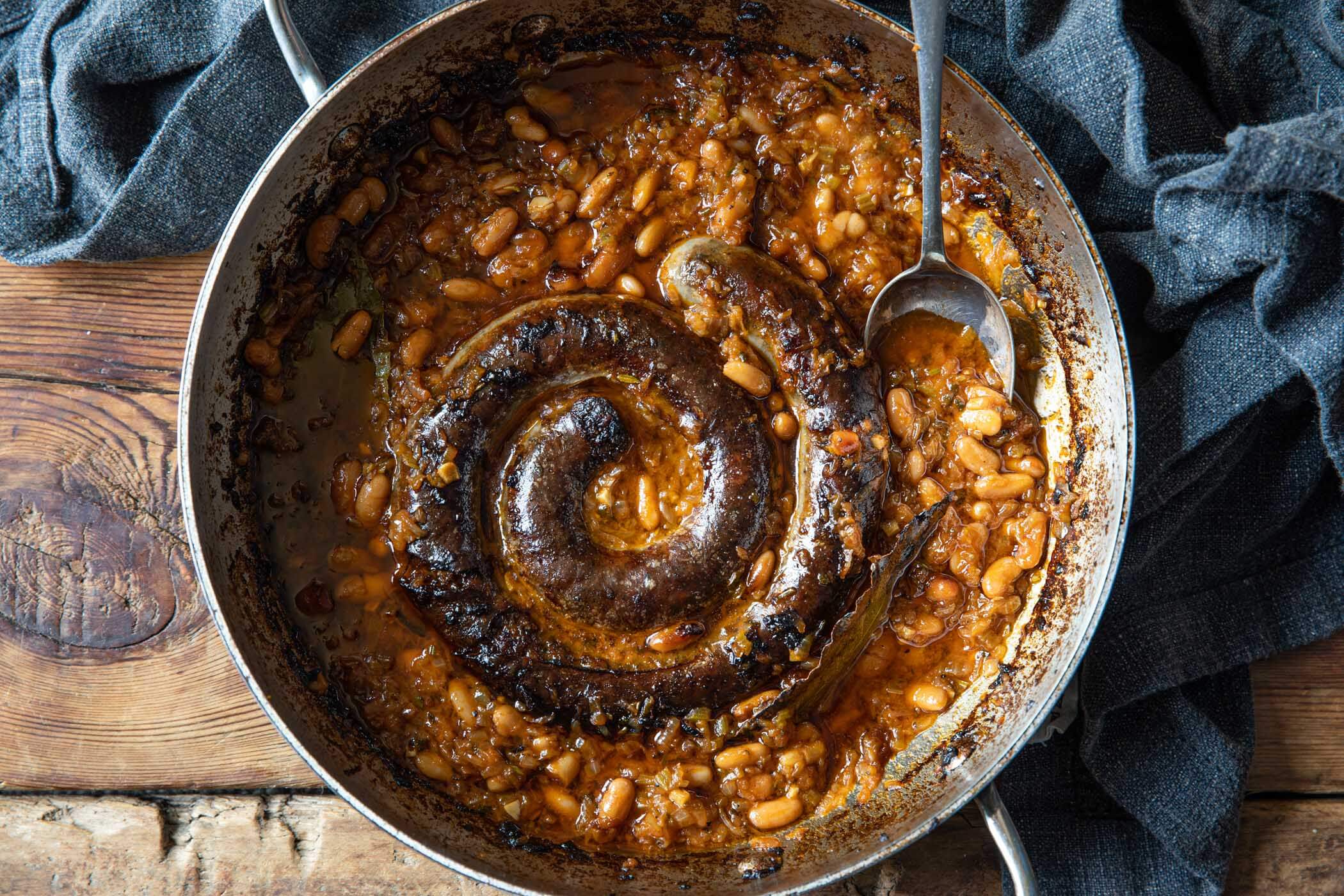
Cumberland Sausage Cassoulet

This Cumberland sausage cassoulet is the ultimate comfort food – easy to make and, best of all, a one-pan wonder! I love serving it with chunks of crusty bread, but it’s equally delicious with George’s creamy mashed potato recipe and a side of greens. Don’t skip the balsamic drizzle at the end – it brings the whole dish to life.

Prep time: 20 minutes

Cook time: 45 minutes

Ingredients

Method

  1. Preheat your oven to 180°C.
  2. Heat the oil in a frying pan over medium-high heat and brown the sausages on both sides. Once nicely coloured, remove from the pan and set aside.
  3. Add the celery and onion to the pan along with a knob of butter. Fry the vegetables for a few minutes until softened.
  4. Stir in the garlic, and season with a good pinch of salt and pepper.
  5. Add the sage and rosemary, stirring them into the vegetables.
  6. Mix in the tomato purée and cook for 1-minute.
  7. Crumble in the stock cube and pour in the white wine. Cook until the alcohol smell evaporates.
  8. Add the drained beans and pour in just enough water to cover them.
  9. Return the sausages to the pan, add the bay leaves, and transfer to the oven.
  10. Cook for 45-minutes.
  11. Once out of the oven, drizzle a few swigs of balsamic over the dish.
  12. I like to slice the sausages in the pan and stir everything together.
  13. Serve with big chunks of crusty bread.

Order meat online

Instagram

  • Sometimes it takes a new perspective, a fresh angle, to see the value in things. To reverse a perception that might be long held and deeply ingrained. But when we achieve that moment of clarity, the bright light of revelation, the effect can be significant. A door opened and a new future imagined. 

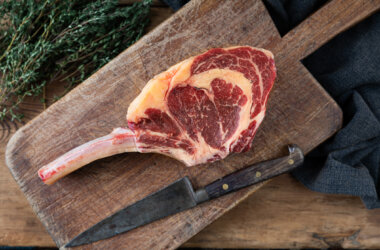
Too much? Well, probably. But maybe, just maybe your eyes really are being opened to a new way. A future of menu writing with the possibility of a new ‘butchers’ steak’; move over bavette, onglet and Denver and step into the spotlight the chuck eye steak. 

Traditionally, a chuck, to butchers and chefs is most likely to conjure images of pies, stews and bourguignons. Your archetypal braising cut, or so it had been assumed. We don’t believe it should be confined by these parameters and are rather taken with the idea of it becoming your new favourite secondary steak. The chuck is the muscle that extends from the ribeye into the neck, like a pork collar, meaning it has good natural marbling and a nice, open texture. Cooked pink, with a great crust and basted in brown butter, it truly is an excellent steak.

For maximum value, snaffle yourself a whole chuck, trim away some of the meat that runs around the eye, reserving for something braised and delicious, then cut yourself some choice steaks. You won’t regret it.
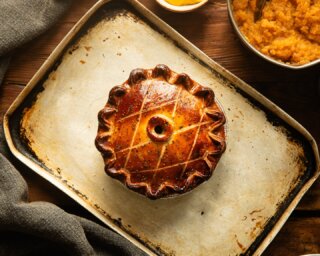
  • A rich, booze-laden beast of a pie. This is no ordinary mince pie. It is deep-filled, indulgent and made with real craft by @joshwhiteheadchef of @finer_pleasures.

We are down to the last few. Our mailing list heard about them yesterday, which is why they are moving quickly. If you want first sight of future specials, sign up.

Josh has been working on this recipe for three years. It is rooted in Hannah Glasse’s 1747 mince pie, where meat was once part of the mix. He has taken that idea and turned it on its head, using the clean, buttery fat from our native-breed cattle in place of suet.

The filling is dried fruit soaked since July in Armagnac, aged port, Madeira and homemade ginger wine. There are ceps cooked slowly in brown sugar syrup until they turn to toffee. And yes, a little Bovril. Trust Josh, it works.

Bake at 185°C until golden, let it sit for two minutes, then eat warm. A dusting of icing sugar finishes it well. Serve with cream, custard or brandy butter.

A very special mince pie, and nearly gone.
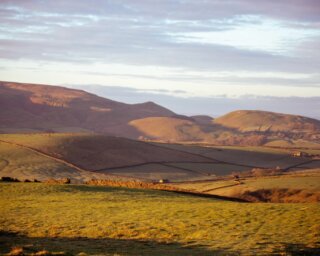
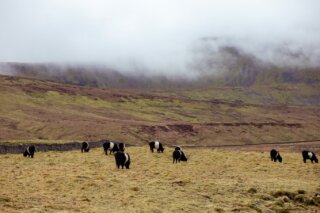
  • Highland cattle get photographed a lot. They are turned into cuddly toys. But beneath the coat is a hardy animal that can stand the worst of a Yorkshire winter. That is why Andy Lambert grazes them high on the Dales, on rough ground where few other breeds would thrive. They are the one of the few cattle that can turn this hard landscape into rich, delicious beef. It feeds our chefs and home cooks across the country. We are grateful for them, and it is always a pleasure to see them on the tops.
  • A ragù alla bolognese with a few top tips from chef @grylos.

Beef, pork, and a little surprise at the end for real depth. Slow cooked until rich, deep, and properly delicious.

Find the full recipe on our journal and cook it slow this weekend. What’s your secret to a good bolognese?

@grylos 
@tom_saunderson
  • We love yellow fat. Do you?

This is an old Dexter. You do not see beef like this every day. When one comes in, we get a little excited.
  • One of the motivations for operating a whole carcass butchery model is access to the other bits – offal and ‘butchers cuts’. For us, they are just as important a part of the picture as the more famous, prime cuts. 
So, it gives us immense satisfaction that we now sell more of these delights then we ever have. For chefs understand that these cuts and organs offer something a little different. Yes, in terms of flavour and value but also, we think, in terms of creativity. A ribeye or a rack of lamb might inspire more classic garnishes, whereas an ox heart or a pig’s tongue allow the imaginations run a little freer. It takes skill and touch to cook these cuts well and the results can be extraordinary.
We’ll keep buying the whole carcasses, you guys keep cooking the offal and butcher’s cuts!
  • Small herds, native breeds, and wild game, all farmed and sourced with care, are what we’re about and what we care deeply for.

The partridge, often called the hedge chicken, is one of the best introductions to game. Mild, tender, full of flavour, and truly sustainable. In fact, we should be eating more of it to help prevent wastage from wild-shot game.

Here’s @grylos with an autumnal take on a classic: a partridge Caesar salad. It might just inspire you to give this delicious wild game a go.
  • Ceps, butter, onglet. A proper celebration of the season.

Available via our website…

Thanks @grylos
Sometimes it takes a new perspective, a fresh angle, to see the value in things. To reverse a perception that might be long held and deeply ingrained. But when we achieve that moment of clarity, the bright light of revelation, the effect can be significant. A door opened and a new future imagined. Too much? Well, probably. But maybe, just maybe your eyes really are being opened to a new way. A future of menu writing with the possibility of a new ‘butchers’ steak’; move over bavette, onglet and Denver and step into the spotlight the chuck eye steak. Traditionally, a chuck, to butchers and chefs is most likely to conjure images of pies, stews and bourguignons. Your archetypal braising cut, or so it had been assumed. We don’t believe it should be confined by these parameters and are rather taken with the idea of it becoming your new favourite secondary steak. The chuck is the muscle that extends from the ribeye into the neck, like a pork collar, meaning it has good natural marbling and a nice, open texture. Cooked pink, with a great crust and basted in brown butter, it truly is an excellent steak. For maximum value, snaffle yourself a whole chuck, trim away some of the meat that runs around the eye, reserving for something braised and delicious, then cut yourself some choice steaks. You won’t regret it.
4 days ago
View on Instagram |
1/8
A rich, booze-laden beast of a pie. This is no ordinary mince pie. It is deep-filled, indulgent and made with real craft by @joshwhiteheadchef of @finer_pleasures.

We are down to the last few. Our mailing list heard about them yesterday, which is why they are moving quickly. If you want first sight of future specials, sign up.

Josh has been working on this recipe for three years. It is rooted in Hannah Glasse’s 1747 mince pie, where meat was once part of the mix. He has taken that idea and turned it on its head, using the clean, buttery fat from our native-breed cattle in place of suet.

The filling is dried fruit soaked since July in Armagnac, aged port, Madeira and homemade ginger wine. There are ceps cooked slowly in brown sugar syrup until they turn to toffee. And yes, a little Bovril. Trust Josh, it works.

Bake at 185°C until golden, let it sit for two minutes, then eat warm. A dusting of icing sugar finishes it well. Serve with cream, custard or brandy butter.

A very special mince pie, and nearly gone.
A rich, booze-laden beast of a pie. This is no ordinary mince pie. It is deep-filled, indulgent and made with real craft by @joshwhiteheadchef of @finer_pleasures.

We are down to the last few. Our mailing list heard about them yesterday, which is why they are moving quickly. If you want first sight of future specials, sign up.

Josh has been working on this recipe for three years. It is rooted in Hannah Glasse’s 1747 mince pie, where meat was once part of the mix. He has taken that idea and turned it on its head, using the clean, buttery fat from our native-breed cattle in place of suet.

The filling is dried fruit soaked since July in Armagnac, aged port, Madeira and homemade ginger wine. There are ceps cooked slowly in brown sugar syrup until they turn to toffee. And yes, a little Bovril. Trust Josh, it works.

Bake at 185°C until golden, let it sit for two minutes, then eat warm. A dusting of icing sugar finishes it well. Serve with cream, custard or brandy butter.

A very special mince pie, and nearly gone.
A rich, booze-laden beast of a pie. This is no ordinary mince pie. It is deep-filled, indulgent and made with real craft by @joshwhiteheadchef of @finer_pleasures.

We are down to the last few. Our mailing list heard about them yesterday, which is why they are moving quickly. If you want first sight of future specials, sign up.

Josh has been working on this recipe for three years. It is rooted in Hannah Glasse’s 1747 mince pie, where meat was once part of the mix. He has taken that idea and turned it on its head, using the clean, buttery fat from our native-breed cattle in place of suet.

The filling is dried fruit soaked since July in Armagnac, aged port, Madeira and homemade ginger wine. There are ceps cooked slowly in brown sugar syrup until they turn to toffee. And yes, a little Bovril. Trust Josh, it works.

Bake at 185°C until golden, let it sit for two minutes, then eat warm. A dusting of icing sugar finishes it well. Serve with cream, custard or brandy butter.

A very special mince pie, and nearly gone.
A rich, booze-laden beast of a pie. This is no ordinary mince pie. It is deep-filled, indulgent and made with real craft by @joshwhiteheadchef of @finer_pleasures.

We are down to the last few. Our mailing list heard about them yesterday, which is why they are moving quickly. If you want first sight of future specials, sign up.

Josh has been working on this recipe for three years. It is rooted in Hannah Glasse’s 1747 mince pie, where meat was once part of the mix. He has taken that idea and turned it on its head, using the clean, buttery fat from our native-breed cattle in place of suet.

The filling is dried fruit soaked since July in Armagnac, aged port, Madeira and homemade ginger wine. There are ceps cooked slowly in brown sugar syrup until they turn to toffee. And yes, a little Bovril. Trust Josh, it works.

Bake at 185°C until golden, let it sit for two minutes, then eat warm. A dusting of icing sugar finishes it well. Serve with cream, custard or brandy butter.

A very special mince pie, and nearly gone.
A rich, booze-laden beast of a pie. This is no ordinary mince pie. It is deep-filled, indulgent and made with real craft by @joshwhiteheadchef of @finer_pleasures.

We are down to the last few. Our mailing list heard about them yesterday, which is why they are moving quickly. If you want first sight of future specials, sign up.

Josh has been working on this recipe for three years. It is rooted in Hannah Glasse’s 1747 mince pie, where meat was once part of the mix. He has taken that idea and turned it on its head, using the clean, buttery fat from our native-breed cattle in place of suet.

The filling is dried fruit soaked since July in Armagnac, aged port, Madeira and homemade ginger wine. There are ceps cooked slowly in brown sugar syrup until they turn to toffee. And yes, a little Bovril. Trust Josh, it works.

Bake at 185°C until golden, let it sit for two minutes, then eat warm. A dusting of icing sugar finishes it well. Serve with cream, custard or brandy butter.

A very special mince pie, and nearly gone.
A rich, booze-laden beast of a pie. This is no ordinary mince pie. It is deep-filled, indulgent and made with real craft by @joshwhiteheadchef of @finer_pleasures. We are down to the last few. Our mailing list heard about them yesterday, which is why they are moving quickly. If you want first sight of future specials, sign up. Josh has been working on this recipe for three years. It is rooted in Hannah Glasse’s 1747 mince pie, where meat was once part of the mix. He has taken that idea and turned it on its head, using the clean, buttery fat from our native-breed cattle in place of suet. The filling is dried fruit soaked since July in Armagnac, aged port, Madeira and homemade ginger wine. There are ceps cooked slowly in brown sugar syrup until they turn to toffee. And yes, a little Bovril. Trust Josh, it works. Bake at 185°C until golden, let it sit for two minutes, then eat warm. A dusting of icing sugar finishes it well. Serve with cream, custard or brandy butter. A very special mince pie, and nearly gone.
6 days ago
View on Instagram |
2/8
Highland cattle get photographed a lot. They are turned into cuddly toys. But beneath the coat is a hardy animal that can stand the worst of a Yorkshire winter. That is why Andy Lambert grazes them high on the Dales, on rough ground where few other breeds would thrive. They are the one of the few cattle that can turn this hard landscape into rich, delicious beef. It feeds our chefs and home cooks across the country. We are grateful for them, and it is always a pleasure to see them on the tops.
2 weeks ago
View on Instagram |
3/8
A ragù alla bolognese with a few top tips from chef @grylos. Beef, pork, and a little surprise at the end for real depth. Slow cooked until rich, deep, and properly delicious. Find the full recipe on our journal and cook it slow this weekend. What’s your secret to a good bolognese? @grylos @tom_saunderson
2 weeks ago
View on Instagram |
4/8
We love yellow fat. Do you? This is an old Dexter. You do not see beef like this every day. When one comes in, we get a little excited.
3 weeks ago
View on Instagram |
5/8
One of the motivations for operating a whole carcass butchery model is access to the other bits – offal and ‘butchers cuts’. For us, they are just as important a part of the picture as the more famous, prime cuts. 
So, it gives us immense satisfaction that we now sell more of these delights then we ever have. For chefs understand that these cuts and organs offer something a little different. Yes, in terms of flavour and value but also, we think, in terms of creativity. A ribeye or a rack of lamb might inspire more classic garnishes, whereas an ox heart or a pig’s tongue allow the imaginations run a little freer. It takes skill and touch to cook these cuts well and the results can be extraordinary.
We’ll keep buying the whole carcasses, you guys keep cooking the offal and butcher’s cuts!
One of the motivations for operating a whole carcass butchery model is access to the other bits – offal and ‘butchers cuts’. For us, they are just as important a part of the picture as the more famous, prime cuts. 
So, it gives us immense satisfaction that we now sell more of these delights then we ever have. For chefs understand that these cuts and organs offer something a little different. Yes, in terms of flavour and value but also, we think, in terms of creativity. A ribeye or a rack of lamb might inspire more classic garnishes, whereas an ox heart or a pig’s tongue allow the imaginations run a little freer. It takes skill and touch to cook these cuts well and the results can be extraordinary.
We’ll keep buying the whole carcasses, you guys keep cooking the offal and butcher’s cuts!
One of the motivations for operating a whole carcass butchery model is access to the other bits – offal and ‘butchers cuts’. For us, they are just as important a part of the picture as the more famous, prime cuts. 
So, it gives us immense satisfaction that we now sell more of these delights then we ever have. For chefs understand that these cuts and organs offer something a little different. Yes, in terms of flavour and value but also, we think, in terms of creativity. A ribeye or a rack of lamb might inspire more classic garnishes, whereas an ox heart or a pig’s tongue allow the imaginations run a little freer. It takes skill and touch to cook these cuts well and the results can be extraordinary.
We’ll keep buying the whole carcasses, you guys keep cooking the offal and butcher’s cuts!
One of the motivations for operating a whole carcass butchery model is access to the other bits – offal and ‘butchers cuts’. For us, they are just as important a part of the picture as the more famous, prime cuts. So, it gives us immense satisfaction that we now sell more of these delights then we ever have. For chefs understand that these cuts and organs offer something a little different. Yes, in terms of flavour and value but also, we think, in terms of creativity. A ribeye or a rack of lamb might inspire more classic garnishes, whereas an ox heart or a pig’s tongue allow the imaginations run a little freer. It takes skill and touch to cook these cuts well and the results can be extraordinary. We’ll keep buying the whole carcasses, you guys keep cooking the offal and butcher’s cuts!
1 month ago
View on Instagram |
6/8
Small herds, native breeds, and wild game, all farmed and sourced with care, are what we’re about and what we care deeply for. The partridge, often called the hedge chicken, is one of the best introductions to game. Mild, tender, full of flavour, and truly sustainable. In fact, we should be eating more of it to help prevent wastage from wild-shot game. Here’s @grylos with an autumnal take on a classic: a partridge Caesar salad. It might just inspire you to give this delicious wild game a go.
1 month ago
View on Instagram |
7/8
Ceps, butter, onglet. A proper celebration of the season. Available via our website… Thanks @grylos
1 month ago
View on Instagram |
8/8