Recipes, Pork Recipes

Pork Loin Steak with Chard & Anchovy

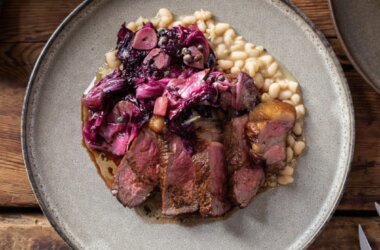
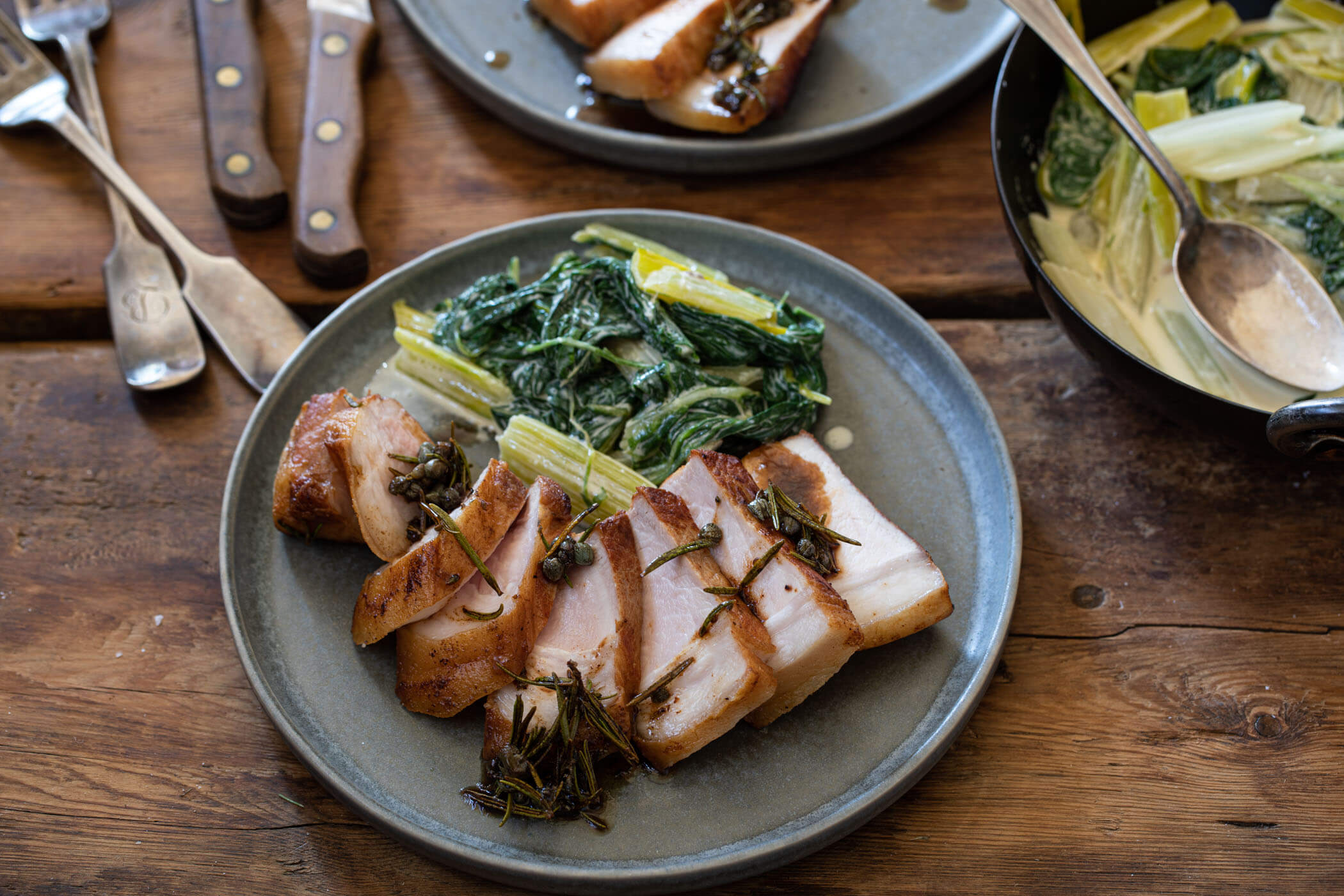
Pork loin sliced on plate with Swiss chard, pan of Swiss chard to the right with spoon in

My pork loin steak recipe is a clean and satisfying combination of flavours that come together to make a delicious supper. Anchovy is often the answer. When used in a dish – as opposed to being the dish – that deep umami flavour permeates into all corners. A fantastic ingredient to cook with, one of the all-time greats, you should always ensure you have some good quality anchovies in the cupboard or the fridge. One reason I earnestly encourage this is that anchovies are such a versatile ingredient. They match with other fish, lamb, chicken, beef, and, perhaps most naturally, pork (although lamb might have something to say about this). Here, the anchovy forms a dressing for the chard, and a bloody good job it does too!

Serves: 2

Prep time: 30 minutes

Cook time: 40 minutes

Ingredients

For the anchovy dressing

Method

For the anchovy dressing

  1. Add the peeled garlic and milk to a small pan and set it over low heat. Cook for 10-12 minutes until the garlic is soft. Tip the milk and garlic into a blender or food processor, along with the anchovies and a tablespoon of vinegar. Blitz at full power until smooth.
  2. Turn the blender down to medium and start to emulsify in the oil. First, add about 75ml of olive oil, poured in a gentle but steady stream, then about the same amount of vegetable oil. If the dressing appears too thick, thin it with a little hot water – it should be viscous but pourable.
  3. Check for seasoning and adjust as necessary. It is a dressing, so it should be well-seasoned.
  4. This makes more than is required for this dish, but it can be kept in the fridge for up to 5-days!

For the pork and chard

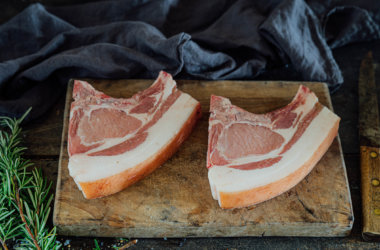
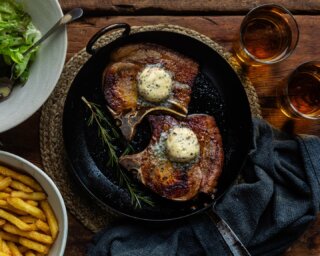
  1. Remove the pork steaks from the fridge and season well with sea salt. Set a cast-iron skillet or frying pan over medium heat with a small drizzle of oil. Stand the steaks in the pan with the fat facing down and turn the heat down to low. Cook like this, moving occasionally to ensure all the fat has a chance to render, for 4-5 minutes.
  2. Turn the heat up and lay the steaks on their sides, cooking for 90-seconds before flipping and cooking on the other side for 90-seconds. Then, turn the heat down to low and add 2 tablespoons of butter, the rosemary, the capers, and the half lemon, face down. Baste the steaks in the foaming butter, allowing it to slowly brown as you go. Flip the steaks every 30-seconds or so and cook for 3-minutes.
  3. Remove the steaks from the pan and set aside on a tray or plate to rest. Use a pair of tongs to squeeze the juice of the lemon into the butter in the pan. Stir it together and then pour over the steaks. Rest for 10-minutes.
  4. Meanwhile, prepare the chard. Set a pan of salted water over high heat and bring to a boil. Strip the leaves from the thicker chard stalks. Leave the leaves on the thinner, more tender chard stalks. Chop the thicker stalks into 2-inch batons and blanch in the boiling water for 3-minutes. Then, add the leaves and the smaller stalks and cook for a further 2-minutes.
  5. Drain everything in a colander, making sure to remove as much water as possible. Return the chard to the empty pan and dress with the anchovy dressing – you don’t need to use all the dressing, just as much as you think necessary. Taste for seasoning and adjust as necessary.
  6. Carve the pork loin steaks and plate next to the dressed chard. Return the rosemary, caper, and lemon dressing to a pan and set over medium heat. Once hot, use it to dress the pork loin steaks.

Order meat online

Instagram

  • If you like proper cooking, good pictures, honest tips, and the odd bit of outdoor chaos inspired by Keith Floyd, give us a follow. More to come through 2026, with Chef George Ryle out in the wild and Swaledale Butchers doing what they do best.
  • Much of the beef on tables and in kitchens at this time of year comes from Bill Whittaker’s herd of Belted Galloway cattle.

They graze land in the shadow of Ingleborough, feeding on diverse forage shaped by limestone ground. It is land that suits the cattle, and cattle that suit the land.

We usually receive Bill’s beef once a year, when it is ready. It is always a good moment when it arrives. Beef like this cannot be rushed. It follows the season.

This is the way we like to work. Smaller farms, running the right cattle on the right ground, producing beef that fits the rhythm of the year.

As we head into the new year, we are always keen to hear from other farmers working with native breeds, regenerative systems, and properly pasture-fed livestock. If that sounds like you, and you have something coming through, do get in touch.
  • Sometimes it takes a new perspective, a fresh angle, to see the value in things. To reverse a perception that might be long held and deeply ingrained. But when we achieve that moment of clarity, the bright light of revelation, the effect can be significant. A door opened and a new future imagined. 

Too much? Well, probably. But maybe, just maybe your eyes really are being opened to a new way. A future of menu writing with the possibility of a new ‘butchers’ steak’; move over bavette, onglet and Denver and step into the spotlight the chuck eye steak. 

Traditionally, a chuck, to butchers and chefs is most likely to conjure images of pies, stews and bourguignons. Your archetypal braising cut, or so it had been assumed. We don’t believe it should be confined by these parameters and are rather taken with the idea of it becoming your new favourite secondary steak. The chuck is the muscle that extends from the ribeye into the neck, like a pork collar, meaning it has good natural marbling and a nice, open texture. Cooked pink, with a great crust and basted in brown butter, it truly is an excellent steak.

For maximum value, snaffle yourself a whole chuck, trim away some of the meat that runs around the eye, reserving for something braised and delicious, then cut yourself some choice steaks. You won’t regret it.
  • A rich, booze-laden beast of a pie. This is no ordinary mince pie. It is deep-filled, indulgent and made with real craft by @joshwhiteheadchef of @finer_pleasures.

We are down to the last few. Our mailing list heard about them yesterday, which is why they are moving quickly. If you want first sight of future specials, sign up.

Josh has been working on this recipe for three years. It is rooted in Hannah Glasse’s 1747 mince pie, where meat was once part of the mix. He has taken that idea and turned it on its head, using the clean, buttery fat from our native-breed cattle in place of suet.

The filling is dried fruit soaked since July in Armagnac, aged port, Madeira and homemade ginger wine. There are ceps cooked slowly in brown sugar syrup until they turn to toffee. And yes, a little Bovril. Trust Josh, it works.

Bake at 185°C until golden, let it sit for two minutes, then eat warm. A dusting of icing sugar finishes it well. Serve with cream, custard or brandy butter.

A very special mince pie, and nearly gone.
  • Highland cattle get photographed a lot. They are turned into cuddly toys. But beneath the coat is a hardy animal that can stand the worst of a Yorkshire winter. That is why Andy Lambert grazes them high on the Dales, on rough ground where few other breeds would thrive. They are the one of the few cattle that can turn this hard landscape into rich, delicious beef. It feeds our chefs and home cooks across the country. We are grateful for them, and it is always a pleasure to see them on the tops.
  • A ragù alla bolognese with a few top tips from chef @grylos.

Beef, pork, and a little surprise at the end for real depth. Slow cooked until rich, deep, and properly delicious.

Find the full recipe on our journal and cook it slow this weekend. What’s your secret to a good bolognese?

@grylos 
@tom_saunderson
  • We love yellow fat. Do you?

This is an old Dexter. You do not see beef like this every day. When one comes in, we get a little excited.
  • One of the motivations for operating a whole carcass butchery model is access to the other bits – offal and ‘butchers cuts’. For us, they are just as important a part of the picture as the more famous, prime cuts. 
So, it gives us immense satisfaction that we now sell more of these delights then we ever have. For chefs understand that these cuts and organs offer something a little different. Yes, in terms of flavour and value but also, we think, in terms of creativity. A ribeye or a rack of lamb might inspire more classic garnishes, whereas an ox heart or a pig’s tongue allow the imaginations run a little freer. It takes skill and touch to cook these cuts well and the results can be extraordinary.
We’ll keep buying the whole carcasses, you guys keep cooking the offal and butcher’s cuts!
If you like proper cooking, good pictures, honest tips, and the odd bit of outdoor chaos inspired by Keith Floyd, give us a follow. More to come through 2026, with Chef George Ryle out in the wild and Swaledale Butchers doing what they do best.
2 hours ago
View on Instagram |
1/8
Much of the beef on tables and in kitchens at this time of year comes from Bill Whittaker’s herd of Belted Galloway cattle.

They graze land in the shadow of Ingleborough, feeding on diverse forage shaped by limestone ground. It is land that suits the cattle, and cattle that suit the land.

We usually receive Bill’s beef once a year, when it is ready. It is always a good moment when it arrives. Beef like this cannot be rushed. It follows the season.

This is the way we like to work. Smaller farms, running the right cattle on the right ground, producing beef that fits the rhythm of the year.

As we head into the new year, we are always keen to hear from other farmers working with native breeds, regenerative systems, and properly pasture-fed livestock. If that sounds like you, and you have something coming through, do get in touch.
Much of the beef on tables and in kitchens at this time of year comes from Bill Whittaker’s herd of Belted Galloway cattle.

They graze land in the shadow of Ingleborough, feeding on diverse forage shaped by limestone ground. It is land that suits the cattle, and cattle that suit the land.

We usually receive Bill’s beef once a year, when it is ready. It is always a good moment when it arrives. Beef like this cannot be rushed. It follows the season.

This is the way we like to work. Smaller farms, running the right cattle on the right ground, producing beef that fits the rhythm of the year.

As we head into the new year, we are always keen to hear from other farmers working with native breeds, regenerative systems, and properly pasture-fed livestock. If that sounds like you, and you have something coming through, do get in touch.
Much of the beef on tables and in kitchens at this time of year comes from Bill Whittaker’s herd of Belted Galloway cattle.

They graze land in the shadow of Ingleborough, feeding on diverse forage shaped by limestone ground. It is land that suits the cattle, and cattle that suit the land.

We usually receive Bill’s beef once a year, when it is ready. It is always a good moment when it arrives. Beef like this cannot be rushed. It follows the season.

This is the way we like to work. Smaller farms, running the right cattle on the right ground, producing beef that fits the rhythm of the year.

As we head into the new year, we are always keen to hear from other farmers working with native breeds, regenerative systems, and properly pasture-fed livestock. If that sounds like you, and you have something coming through, do get in touch.
Much of the beef on tables and in kitchens at this time of year comes from Bill Whittaker’s herd of Belted Galloway cattle.

They graze land in the shadow of Ingleborough, feeding on diverse forage shaped by limestone ground. It is land that suits the cattle, and cattle that suit the land.

We usually receive Bill’s beef once a year, when it is ready. It is always a good moment when it arrives. Beef like this cannot be rushed. It follows the season.

This is the way we like to work. Smaller farms, running the right cattle on the right ground, producing beef that fits the rhythm of the year.

As we head into the new year, we are always keen to hear from other farmers working with native breeds, regenerative systems, and properly pasture-fed livestock. If that sounds like you, and you have something coming through, do get in touch.
Much of the beef on tables and in kitchens at this time of year comes from Bill Whittaker’s herd of Belted Galloway cattle.

They graze land in the shadow of Ingleborough, feeding on diverse forage shaped by limestone ground. It is land that suits the cattle, and cattle that suit the land.

We usually receive Bill’s beef once a year, when it is ready. It is always a good moment when it arrives. Beef like this cannot be rushed. It follows the season.

This is the way we like to work. Smaller farms, running the right cattle on the right ground, producing beef that fits the rhythm of the year.

As we head into the new year, we are always keen to hear from other farmers working with native breeds, regenerative systems, and properly pasture-fed livestock. If that sounds like you, and you have something coming through, do get in touch.
Much of the beef on tables and in kitchens at this time of year comes from Bill Whittaker’s herd of Belted Galloway cattle.

They graze land in the shadow of Ingleborough, feeding on diverse forage shaped by limestone ground. It is land that suits the cattle, and cattle that suit the land.

We usually receive Bill’s beef once a year, when it is ready. It is always a good moment when it arrives. Beef like this cannot be rushed. It follows the season.

This is the way we like to work. Smaller farms, running the right cattle on the right ground, producing beef that fits the rhythm of the year.

As we head into the new year, we are always keen to hear from other farmers working with native breeds, regenerative systems, and properly pasture-fed livestock. If that sounds like you, and you have something coming through, do get in touch.
Much of the beef on tables and in kitchens at this time of year comes from Bill Whittaker’s herd of Belted Galloway cattle. They graze land in the shadow of Ingleborough, feeding on diverse forage shaped by limestone ground. It is land that suits the cattle, and cattle that suit the land. We usually receive Bill’s beef once a year, when it is ready. It is always a good moment when it arrives. Beef like this cannot be rushed. It follows the season. This is the way we like to work. Smaller farms, running the right cattle on the right ground, producing beef that fits the rhythm of the year. As we head into the new year, we are always keen to hear from other farmers working with native breeds, regenerative systems, and properly pasture-fed livestock. If that sounds like you, and you have something coming through, do get in touch.
3 days ago
View on Instagram |
2/8
Sometimes it takes a new perspective, a fresh angle, to see the value in things. To reverse a perception that might be long held and deeply ingrained. But when we achieve that moment of clarity, the bright light of revelation, the effect can be significant. A door opened and a new future imagined. Too much? Well, probably. But maybe, just maybe your eyes really are being opened to a new way. A future of menu writing with the possibility of a new ‘butchers’ steak’; move over bavette, onglet and Denver and step into the spotlight the chuck eye steak. Traditionally, a chuck, to butchers and chefs is most likely to conjure images of pies, stews and bourguignons. Your archetypal braising cut, or so it had been assumed. We don’t believe it should be confined by these parameters and are rather taken with the idea of it becoming your new favourite secondary steak. The chuck is the muscle that extends from the ribeye into the neck, like a pork collar, meaning it has good natural marbling and a nice, open texture. Cooked pink, with a great crust and basted in brown butter, it truly is an excellent steak. For maximum value, snaffle yourself a whole chuck, trim away some of the meat that runs around the eye, reserving for something braised and delicious, then cut yourself some choice steaks. You won’t regret it.
1 week ago
View on Instagram |
3/8
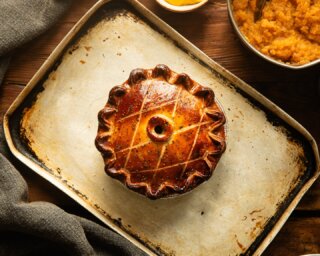
A rich, booze-laden beast of a pie. This is no ordinary mince pie. It is deep-filled, indulgent and made with real craft by @joshwhiteheadchef of @finer_pleasures.

We are down to the last few. Our mailing list heard about them yesterday, which is why they are moving quickly. If you want first sight of future specials, sign up.

Josh has been working on this recipe for three years. It is rooted in Hannah Glasse’s 1747 mince pie, where meat was once part of the mix. He has taken that idea and turned it on its head, using the clean, buttery fat from our native-breed cattle in place of suet.

The filling is dried fruit soaked since July in Armagnac, aged port, Madeira and homemade ginger wine. There are ceps cooked slowly in brown sugar syrup until they turn to toffee. And yes, a little Bovril. Trust Josh, it works.

Bake at 185°C until golden, let it sit for two minutes, then eat warm. A dusting of icing sugar finishes it well. Serve with cream, custard or brandy butter.

A very special mince pie, and nearly gone.
A rich, booze-laden beast of a pie. This is no ordinary mince pie. It is deep-filled, indulgent and made with real craft by @joshwhiteheadchef of @finer_pleasures.

We are down to the last few. Our mailing list heard about them yesterday, which is why they are moving quickly. If you want first sight of future specials, sign up.

Josh has been working on this recipe for three years. It is rooted in Hannah Glasse’s 1747 mince pie, where meat was once part of the mix. He has taken that idea and turned it on its head, using the clean, buttery fat from our native-breed cattle in place of suet.

The filling is dried fruit soaked since July in Armagnac, aged port, Madeira and homemade ginger wine. There are ceps cooked slowly in brown sugar syrup until they turn to toffee. And yes, a little Bovril. Trust Josh, it works.

Bake at 185°C until golden, let it sit for two minutes, then eat warm. A dusting of icing sugar finishes it well. Serve with cream, custard or brandy butter.

A very special mince pie, and nearly gone.
A rich, booze-laden beast of a pie. This is no ordinary mince pie. It is deep-filled, indulgent and made with real craft by @joshwhiteheadchef of @finer_pleasures.

We are down to the last few. Our mailing list heard about them yesterday, which is why they are moving quickly. If you want first sight of future specials, sign up.

Josh has been working on this recipe for three years. It is rooted in Hannah Glasse’s 1747 mince pie, where meat was once part of the mix. He has taken that idea and turned it on its head, using the clean, buttery fat from our native-breed cattle in place of suet.

The filling is dried fruit soaked since July in Armagnac, aged port, Madeira and homemade ginger wine. There are ceps cooked slowly in brown sugar syrup until they turn to toffee. And yes, a little Bovril. Trust Josh, it works.

Bake at 185°C until golden, let it sit for two minutes, then eat warm. A dusting of icing sugar finishes it well. Serve with cream, custard or brandy butter.

A very special mince pie, and nearly gone.
A rich, booze-laden beast of a pie. This is no ordinary mince pie. It is deep-filled, indulgent and made with real craft by @joshwhiteheadchef of @finer_pleasures.

We are down to the last few. Our mailing list heard about them yesterday, which is why they are moving quickly. If you want first sight of future specials, sign up.

Josh has been working on this recipe for three years. It is rooted in Hannah Glasse’s 1747 mince pie, where meat was once part of the mix. He has taken that idea and turned it on its head, using the clean, buttery fat from our native-breed cattle in place of suet.

The filling is dried fruit soaked since July in Armagnac, aged port, Madeira and homemade ginger wine. There are ceps cooked slowly in brown sugar syrup until they turn to toffee. And yes, a little Bovril. Trust Josh, it works.

Bake at 185°C until golden, let it sit for two minutes, then eat warm. A dusting of icing sugar finishes it well. Serve with cream, custard or brandy butter.

A very special mince pie, and nearly gone.
A rich, booze-laden beast of a pie. This is no ordinary mince pie. It is deep-filled, indulgent and made with real craft by @joshwhiteheadchef of @finer_pleasures.

We are down to the last few. Our mailing list heard about them yesterday, which is why they are moving quickly. If you want first sight of future specials, sign up.

Josh has been working on this recipe for three years. It is rooted in Hannah Glasse’s 1747 mince pie, where meat was once part of the mix. He has taken that idea and turned it on its head, using the clean, buttery fat from our native-breed cattle in place of suet.

The filling is dried fruit soaked since July in Armagnac, aged port, Madeira and homemade ginger wine. There are ceps cooked slowly in brown sugar syrup until they turn to toffee. And yes, a little Bovril. Trust Josh, it works.

Bake at 185°C until golden, let it sit for two minutes, then eat warm. A dusting of icing sugar finishes it well. Serve with cream, custard or brandy butter.

A very special mince pie, and nearly gone.
A rich, booze-laden beast of a pie. This is no ordinary mince pie. It is deep-filled, indulgent and made with real craft by @joshwhiteheadchef of @finer_pleasures. We are down to the last few. Our mailing list heard about them yesterday, which is why they are moving quickly. If you want first sight of future specials, sign up. Josh has been working on this recipe for three years. It is rooted in Hannah Glasse’s 1747 mince pie, where meat was once part of the mix. He has taken that idea and turned it on its head, using the clean, buttery fat from our native-breed cattle in place of suet. The filling is dried fruit soaked since July in Armagnac, aged port, Madeira and homemade ginger wine. There are ceps cooked slowly in brown sugar syrup until they turn to toffee. And yes, a little Bovril. Trust Josh, it works. Bake at 185°C until golden, let it sit for two minutes, then eat warm. A dusting of icing sugar finishes it well. Serve with cream, custard or brandy butter. A very special mince pie, and nearly gone.
1 week ago
View on Instagram |
4/8
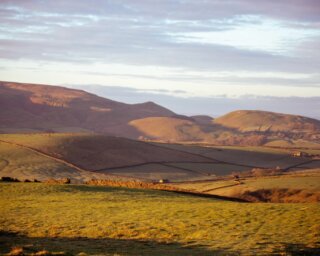
Highland cattle get photographed a lot. They are turned into cuddly toys. But beneath the coat is a hardy animal that can stand the worst of a Yorkshire winter. That is why Andy Lambert grazes them high on the Dales, on rough ground where few other breeds would thrive. They are the one of the few cattle that can turn this hard landscape into rich, delicious beef. It feeds our chefs and home cooks across the country. We are grateful for them, and it is always a pleasure to see them on the tops.
2 weeks ago
View on Instagram |
5/8
A ragù alla bolognese with a few top tips from chef @grylos. Beef, pork, and a little surprise at the end for real depth. Slow cooked until rich, deep, and properly delicious. Find the full recipe on our journal and cook it slow this weekend. What’s your secret to a good bolognese? @grylos @tom_saunderson
2 weeks ago
View on Instagram |
6/8
We love yellow fat. Do you? This is an old Dexter. You do not see beef like this every day. When one comes in, we get a little excited.
3 weeks ago
View on Instagram |
7/8
One of the motivations for operating a whole carcass butchery model is access to the other bits – offal and ‘butchers cuts’. For us, they are just as important a part of the picture as the more famous, prime cuts. 
So, it gives us immense satisfaction that we now sell more of these delights then we ever have. For chefs understand that these cuts and organs offer something a little different. Yes, in terms of flavour and value but also, we think, in terms of creativity. A ribeye or a rack of lamb might inspire more classic garnishes, whereas an ox heart or a pig’s tongue allow the imaginations run a little freer. It takes skill and touch to cook these cuts well and the results can be extraordinary.
We’ll keep buying the whole carcasses, you guys keep cooking the offal and butcher’s cuts!
One of the motivations for operating a whole carcass butchery model is access to the other bits – offal and ‘butchers cuts’. For us, they are just as important a part of the picture as the more famous, prime cuts. 
So, it gives us immense satisfaction that we now sell more of these delights then we ever have. For chefs understand that these cuts and organs offer something a little different. Yes, in terms of flavour and value but also, we think, in terms of creativity. A ribeye or a rack of lamb might inspire more classic garnishes, whereas an ox heart or a pig’s tongue allow the imaginations run a little freer. It takes skill and touch to cook these cuts well and the results can be extraordinary.
We’ll keep buying the whole carcasses, you guys keep cooking the offal and butcher’s cuts!
One of the motivations for operating a whole carcass butchery model is access to the other bits – offal and ‘butchers cuts’. For us, they are just as important a part of the picture as the more famous, prime cuts. 
So, it gives us immense satisfaction that we now sell more of these delights then we ever have. For chefs understand that these cuts and organs offer something a little different. Yes, in terms of flavour and value but also, we think, in terms of creativity. A ribeye or a rack of lamb might inspire more classic garnishes, whereas an ox heart or a pig’s tongue allow the imaginations run a little freer. It takes skill and touch to cook these cuts well and the results can be extraordinary.
We’ll keep buying the whole carcasses, you guys keep cooking the offal and butcher’s cuts!
One of the motivations for operating a whole carcass butchery model is access to the other bits – offal and ‘butchers cuts’. For us, they are just as important a part of the picture as the more famous, prime cuts. So, it gives us immense satisfaction that we now sell more of these delights then we ever have. For chefs understand that these cuts and organs offer something a little different. Yes, in terms of flavour and value but also, we think, in terms of creativity. A ribeye or a rack of lamb might inspire more classic garnishes, whereas an ox heart or a pig’s tongue allow the imaginations run a little freer. It takes skill and touch to cook these cuts well and the results can be extraordinary. We’ll keep buying the whole carcasses, you guys keep cooking the offal and butcher’s cuts!
1 month ago
View on Instagram |
8/8