Beef Recipes

Roast Rump of Beef with Cep & Potato Gratin & Parmesan Salad

Roast rump of beef served with cep and potato gratin and a Parmesan salad

If you get this recipe right, and I’ve laid out exactly how to achieve that below, then this is a fabulous dish, fit for any table. Beautifully roasted aged native-breed beef, a side of potatoes and ceps, and a salad. Like most of the best things in food, it’s simple and it makes sense. You know you want it.

There are occasions in kitchens when, without even really trying, everything just falls into place. Clarity and harmony present themselves, out of the blue, and it is both pleasing and stimulating in almost equal measure, especially if you are drawn to the simpler, more restrained end of the recipe spectrum. This recipe was one of those rare moments for me. The moment I saw the fresh ceps and that majestic piece of beef, I knew exactly what I wanted to cook. And I felt fairly sure how it would taste; my suspicions were confirmed when, after a couple of hours of cooking and photo shooting, we were able to eat some. A truly delicious plate of food.

Serves: 4

Prep time: 30 minutes, plus resting time for the rump

Cook time: 2 hours

Ingredients

Salad

Method

First Start with the Potatoes

  1. Preheat your oven to 150°C.
  2. Place the cream, milk, garlic, sage and a good few twists of black pepper into a saucepan and set over a low heat for 15 minutes to allow the flavours to infuse.
  3. Meanwhile, slice the ceps about 1cm thick. Set a frying pan or cast-iron skillet over a high heat and sauté the ceps in butter with a good pinch of salt until beautifully golden brown. Do this in batches so as not to overcrowd the pan. Once golden, set aside on a plate.
  4. Using a very sharp knife or, better still, a mandolin, slice the potatoes to approximately 2mm thickness and pop them in a large bowl.
  5. Pour the cream mixture through a sieve onto the potatoes, then add the ceps and season well with sea salt. Mix everything with your hands, ensuring the potatoes are well coated.
  6. In a large ovenproof dish, start to layer the potatoes and ceps. This doesn’t need to be too neat, though layering helps distribute the ceps evenly. Once everything is in the dish, pour over any excess cream.
  7. Place in the oven and cook for 1 hour. Remove, grate the Gruyère cheese all over the top, then return to the oven for a further 30 minutes.

To Cook the Beef

  1. Remove the beef from the fridge at least 3 hours before cooking so it comes up to room temperature. About an hour before cooking, season the rump well with sea salt.
  2. Set a large pan or cast-iron skillet over a medium heat.
  3. Add a small glug of oil, then place the rump, fat side down, into the pan. Allow the fat to render and brown, then rotate the rump until browned all over. This might take up to 10 minutes.
  4. Transfer to the oven and cook for around 50 minutes, flipping halfway through. To test if it is cooked, insert a cake tester or small sharp knife into the centre of the joint, then touch the metal to your bottom lip. It should feel warm, roughly 3–7°C above body temperature.
  5. Remove from the oven and leave to rest for 1 hour.

For the Salad

  1. Put the Dijon, vinegar, olive oil and a good pinch of sea salt into a small jar with a lid. Close the lid and shake vigorously to make the dressing.
  2. Pop the watercress, radicchio and hazelnuts into a salad bowl. Dress well and toss, then shave the Parmesan over the top.

Order meat online

Instagram

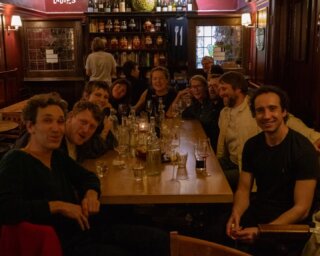
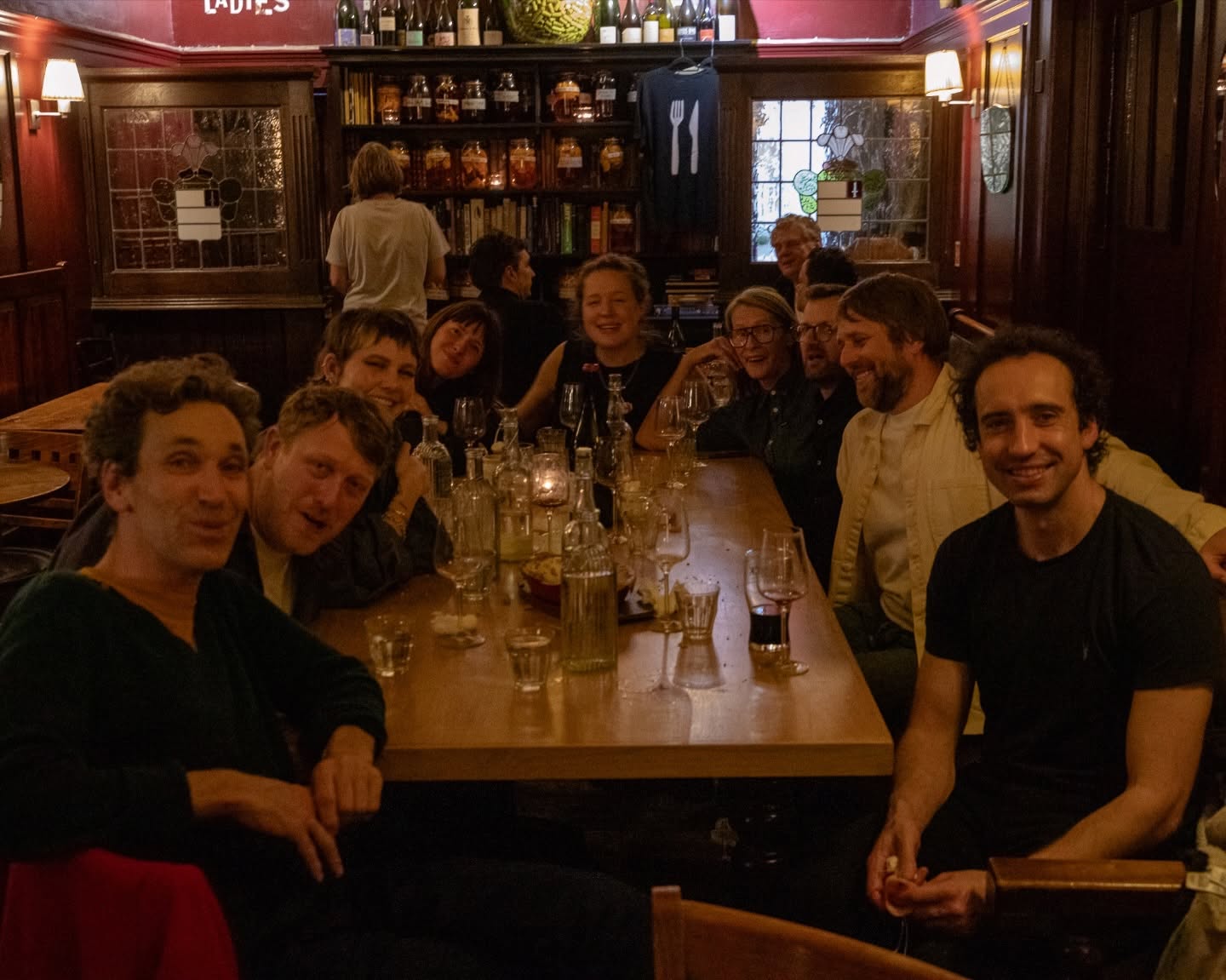
  • Kindred spirits. Hot pans. Spiced mutton.
Swaledale x Canton Arms supper.
Wednesday 25 February.
To book email Thecantonarms@gmail.com

@cantonarms
  • Winter and its cold hands have us fully in a tight embrace right now. And so we find ourselves cooking more often than not, to warm our souls.

A ham at the weekend is one such thing that does the job. It can be used for all kinds of dishes and provide your weekdays with a plethora of fine sandwiches. But this fine cut also produces something else. An excellent, warming stock that should not be thrown away.

In fact, it should be used to make something just as special. A deep, hearty split pea and ham soup. And here is @grylos showing you how to do it. Like most things, if you cook with time and consideration, the by-product is often just as good as the main event.
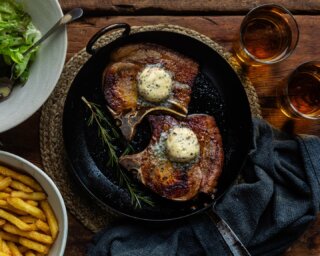
  • Ask yourself this. When did you last have a really good pork chop?

This is why we keep coming back to it. Native, rare breed pork. Dry aged on the bone. Proper depth of flavour. Nothing like the pale, wet stuff you see elsewhere.

These are our Pork Chops with Rosemary and Anchovy Butter. Two thick, rindless chops. Two discs of handmade compound butter. Anchovy, rosemary, lemon zest, a little shallot. Old friends. It works.
  • Fancy a bit of a butcher’s tip? Or a hack, if you will. Well look no further. 

Here, @grylos, gets creative with a joint of boned and rolled beef rump, creating three, totally different meals, from the one piece of meat. A great example of some leftfield thinking and the perfect way to add a little variety into your weekly meal planning. Along the spectrum from raw to medium, your week could go a little something like this; tartare and toast lightly rubbed with garlic for lunch on Wednesday; steak night on Friday night, with chips, good red wine and a bowl of bearnaise; a roast dinner on Sunday. Bob’s your uncle, Fanny’s your aunt and a carnivorous and hugely satisfying week of eating is complete. 

All that from a single rolled rump of beef! A life hack if I ever saw one…

Did you know that our rumps won 3 stars at the Great Taste Awards? 3-star rump, you can’t argue with that!
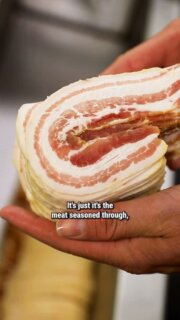
  • Do you love bacon?

Here’s our in house science and history teacher, @grylos, talking osmosis, salt, and the slow work of dry curing bacon.
  • Burns Night, 25 January.

Two pastry wrapped tributes to Robert Burns.
Made with chef Josh Whitehead of @finer_pleasures.

A haggis sausage roll with coarse cut native breed pork.
A hot water crust pie of mutton and lamb haggis, oats, onions and spice.

Food for a cold night.
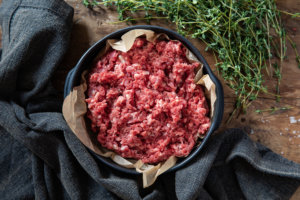
  • On many a recipe, the instruction ‘brown your mince’ is set out plainly enough. And yet, deep into January, when slow cooking is very much back on the table and recipes keep asking for the same thing, it feels worth saying that this is meant quite literally. Brown your mince. It does not say grey it.

Browning is a process, not a gesture. It takes time, heat, and a little patience, and what you are doing is building flavour, not simply warming meat through. When mince is rushed, crowded into the pan, stirred too soon, it stews. It turns grey. The moisture stays put and the flavour never quite arrives.

So here is @grylos , taking a moment to explain the difference, and to remind you that if you want the most from good produce, you have to let it work. Give it space. Leave it alone long enough to colour properly. Let it smell right before you move on.

Because this is slow food month, after all. There is no need to hurry. Take your time, do it properly, and you will taste the difference in the finished dish.
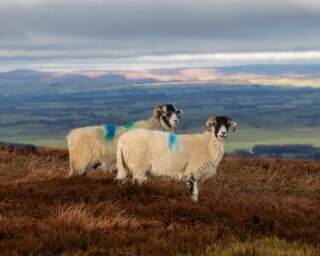
  • Winter. It felt strange being in Yorkshire, watching the news from the south where snow lay thick and sudden, while here January had arrived quietly, cold and wet, but not yet truly winter as we know it. Up here the season has always moved at a slower pace, and there is something steadying in remembering that. The idea that we should charge straight on after Christmas is a modern one, and it sits awkwardly with bodies and minds that are still tuned to pause, to take stock, to look back at the year just gone. 

Out on the farms, there is no rush but plenty to do. Some are already lambing, others preparing for it, working with the land rather than against it as the days begin, almost imperceptibly, to lengthen. The fields are still subdued, but there are signs, if you look closely, that life is beginning to stir again.

And so, it feels right, now and then, to slow everything down and simply notice Yorkshire in January, not as something to be endured, but as a quiet and beautiful part of the year in its own right.
Kindred spirits. Hot pans. Spiced mutton. Swaledale x Canton Arms supper. Wednesday 25 February. To book email Thecantonarms@gmail.com @cantonarms
23 hours ago
712
View on Instagram |
1/8
Winter and its cold hands have us fully in a tight embrace right now. And so we find ourselves cooking more often than not, to warm our souls. A ham at the weekend is one such thing that does the job. It can be used for all kinds of dishes and provide your weekdays with a plethora of fine sandwiches. But this fine cut also produces something else. An excellent, warming stock that should not be thrown away. In fact, it should be used to make something just as special. A deep, hearty split pea and ham soup. And here is @grylos showing you how to do it. Like most things, if you cook with time and consideration, the by-product is often just as good as the main event.
6 days ago
13416
View on Instagram |
2/8
Ask yourself this. When did you last have a really good pork chop?

This is why we keep coming back to it. Native, rare breed pork. Dry aged on the bone. Proper depth of flavour. Nothing like the pale, wet stuff you see elsewhere.

These are our Pork Chops with Rosemary and Anchovy Butter. Two thick, rindless chops. Two discs of handmade compound butter. Anchovy, rosemary, lemon zest, a little shallot. Old friends. It works.
Ask yourself this. When did you last have a really good pork chop?

This is why we keep coming back to it. Native, rare breed pork. Dry aged on the bone. Proper depth of flavour. Nothing like the pale, wet stuff you see elsewhere.

These are our Pork Chops with Rosemary and Anchovy Butter. Two thick, rindless chops. Two discs of handmade compound butter. Anchovy, rosemary, lemon zest, a little shallot. Old friends. It works.
Ask yourself this. When did you last have a really good pork chop? This is why we keep coming back to it. Native, rare breed pork. Dry aged on the bone. Proper depth of flavour. Nothing like the pale, wet stuff you see elsewhere. These are our Pork Chops with Rosemary and Anchovy Butter. Two thick, rindless chops. Two discs of handmade compound butter. Anchovy, rosemary, lemon zest, a little shallot. Old friends. It works.
2 weeks ago
472
View on Instagram |
3/8
Fancy a bit of a butcher’s tip? Or a hack, if you will. Well look no further. Here, @grylos, gets creative with a joint of boned and rolled beef rump, creating three, totally different meals, from the one piece of meat. A great example of some leftfield thinking and the perfect way to add a little variety into your weekly meal planning. Along the spectrum from raw to medium, your week could go a little something like this; tartare and toast lightly rubbed with garlic for lunch on Wednesday; steak night on Friday night, with chips, good red wine and a bowl of bearnaise; a roast dinner on Sunday. Bob’s your uncle, Fanny’s your aunt and a carnivorous and hugely satisfying week of eating is complete. All that from a single rolled rump of beef! A life hack if I ever saw one… Did you know that our rumps won 3 stars at the Great Taste Awards? 3-star rump, you can’t argue with that!
2 weeks ago
2555
View on Instagram |
4/8
Do you love bacon? Here’s our in house science and history teacher, @grylos, talking osmosis, salt, and the slow work of dry curing bacon.
3 weeks ago
3498
View on Instagram |
5/8
Burns Night, 25 January.

Two pastry wrapped tributes to Robert Burns.
Made with chef Josh Whitehead of @finer_pleasures.

A haggis sausage roll with coarse cut native breed pork.
A hot water crust pie of mutton and lamb haggis, oats, onions and spice.

Food for a cold night.
Burns Night, 25 January.

Two pastry wrapped tributes to Robert Burns.
Made with chef Josh Whitehead of @finer_pleasures.

A haggis sausage roll with coarse cut native breed pork.
A hot water crust pie of mutton and lamb haggis, oats, onions and spice.

Food for a cold night.
Burns Night, 25 January.

Two pastry wrapped tributes to Robert Burns.
Made with chef Josh Whitehead of @finer_pleasures.

A haggis sausage roll with coarse cut native breed pork.
A hot water crust pie of mutton and lamb haggis, oats, onions and spice.

Food for a cold night.
Burns Night, 25 January.

Two pastry wrapped tributes to Robert Burns.
Made with chef Josh Whitehead of @finer_pleasures.

A haggis sausage roll with coarse cut native breed pork.
A hot water crust pie of mutton and lamb haggis, oats, onions and spice.

Food for a cold night.
Burns Night, 25 January.

Two pastry wrapped tributes to Robert Burns.
Made with chef Josh Whitehead of @finer_pleasures.

A haggis sausage roll with coarse cut native breed pork.
A hot water crust pie of mutton and lamb haggis, oats, onions and spice.

Food for a cold night.
Burns Night, 25 January.

Two pastry wrapped tributes to Robert Burns.
Made with chef Josh Whitehead of @finer_pleasures.

A haggis sausage roll with coarse cut native breed pork.
A hot water crust pie of mutton and lamb haggis, oats, onions and spice.

Food for a cold night.
Burns Night, 25 January. Two pastry wrapped tributes to Robert Burns. Made with chef Josh Whitehead of @finer_pleasures. A haggis sausage roll with coarse cut native breed pork. A hot water crust pie of mutton and lamb haggis, oats, onions and spice. Food for a cold night.
3 weeks ago
1166
View on Instagram |
6/8
On many a recipe, the instruction ‘brown your mince’ is set out plainly enough. And yet, deep into January, when slow cooking is very much back on the table and recipes keep asking for the same thing, it feels worth saying that this is meant quite literally. Brown your mince. It does not say grey it. Browning is a process, not a gesture. It takes time, heat, and a little patience, and what you are doing is building flavour, not simply warming meat through. When mince is rushed, crowded into the pan, stirred too soon, it stews. It turns grey. The moisture stays put and the flavour never quite arrives. So here is @grylos , taking a moment to explain the difference, and to remind you that if you want the most from good produce, you have to let it work. Give it space. Leave it alone long enough to colour properly. Let it smell right before you move on. Because this is slow food month, after all. There is no need to hurry. Take your time, do it properly, and you will taste the difference in the finished dish.
4 weeks ago
2787
View on Instagram |
7/8
Winter. It felt strange being in Yorkshire, watching the news from the south where snow lay thick and sudden, while here January had arrived quietly, cold and wet, but not yet truly winter as we know it. Up here the season has always moved at a slower pace, and there is something steadying in remembering that. The idea that we should charge straight on after Christmas is a modern one, and it sits awkwardly with bodies and minds that are still tuned to pause, to take stock, to look back at the year just gone. 

Out on the farms, there is no rush but plenty to do. Some are already lambing, others preparing for it, working with the land rather than against it as the days begin, almost imperceptibly, to lengthen. The fields are still subdued, but there are signs, if you look closely, that life is beginning to stir again.

And so, it feels right, now and then, to slow everything down and simply notice Yorkshire in January, not as something to be endured, but as a quiet and beautiful part of the year in its own right.
Winter. It felt strange being in Yorkshire, watching the news from the south where snow lay thick and sudden, while here January had arrived quietly, cold and wet, but not yet truly winter as we know it. Up here the season has always moved at a slower pace, and there is something steadying in remembering that. The idea that we should charge straight on after Christmas is a modern one, and it sits awkwardly with bodies and minds that are still tuned to pause, to take stock, to look back at the year just gone. 

Out on the farms, there is no rush but plenty to do. Some are already lambing, others preparing for it, working with the land rather than against it as the days begin, almost imperceptibly, to lengthen. The fields are still subdued, but there are signs, if you look closely, that life is beginning to stir again.

And so, it feels right, now and then, to slow everything down and simply notice Yorkshire in January, not as something to be endured, but as a quiet and beautiful part of the year in its own right.
Winter. It felt strange being in Yorkshire, watching the news from the south where snow lay thick and sudden, while here January had arrived quietly, cold and wet, but not yet truly winter as we know it. Up here the season has always moved at a slower pace, and there is something steadying in remembering that. The idea that we should charge straight on after Christmas is a modern one, and it sits awkwardly with bodies and minds that are still tuned to pause, to take stock, to look back at the year just gone. 

Out on the farms, there is no rush but plenty to do. Some are already lambing, others preparing for it, working with the land rather than against it as the days begin, almost imperceptibly, to lengthen. The fields are still subdued, but there are signs, if you look closely, that life is beginning to stir again.

And so, it feels right, now and then, to slow everything down and simply notice Yorkshire in January, not as something to be endured, but as a quiet and beautiful part of the year in its own right.
Winter. It felt strange being in Yorkshire, watching the news from the south where snow lay thick and sudden, while here January had arrived quietly, cold and wet, but not yet truly winter as we know it. Up here the season has always moved at a slower pace, and there is something steadying in remembering that. The idea that we should charge straight on after Christmas is a modern one, and it sits awkwardly with bodies and minds that are still tuned to pause, to take stock, to look back at the year just gone. Out on the farms, there is no rush but plenty to do. Some are already lambing, others preparing for it, working with the land rather than against it as the days begin, almost imperceptibly, to lengthen. The fields are still subdued, but there are signs, if you look closely, that life is beginning to stir again. And so, it feels right, now and then, to slow everything down and simply notice Yorkshire in January, not as something to be endured, but as a quiet and beautiful part of the year in its own right.
1 month ago
712
View on Instagram |
8/8