
What can give steak a fishy odour or flavour, and how can you tell if it’s still safe to eat rather than spoiled?
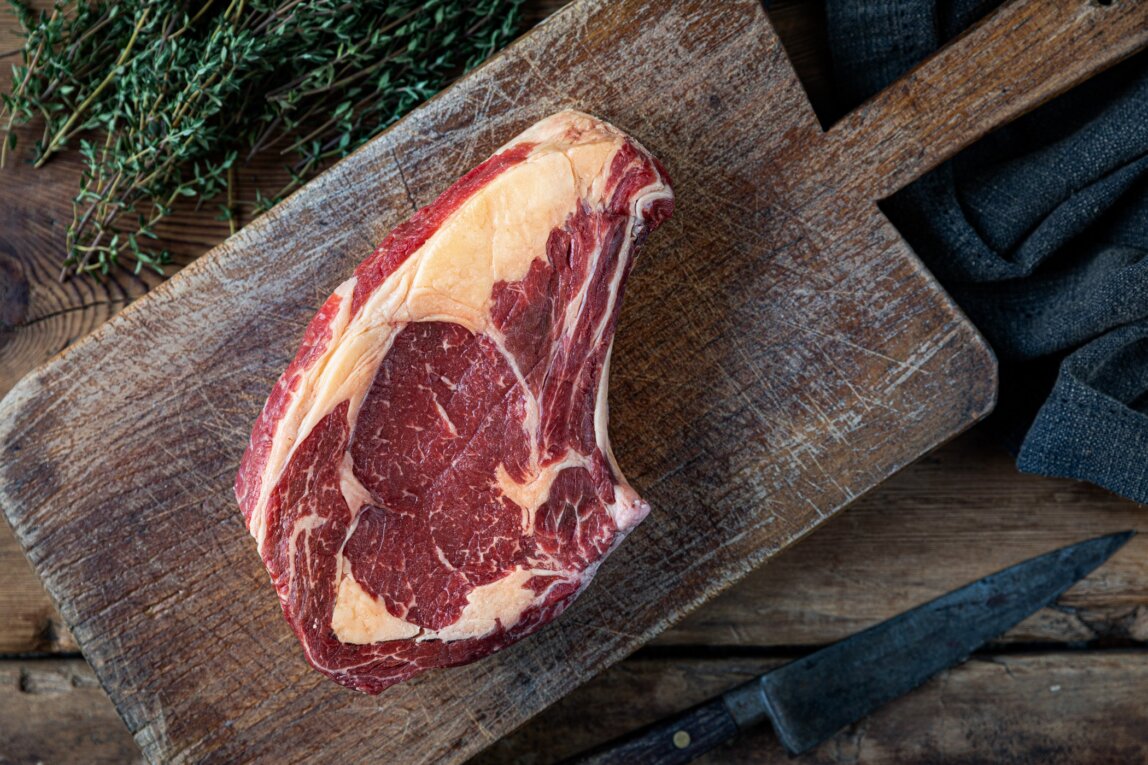
Firstly, it’s important to distinguish between the smell of a properly aged steak and one that has begun to spoil. Properly aged steak will have a robust smell, almost nutty, with a hint of blue cheese. The meat itself should be dry, or slightly damp if vacuum packed. Spoilage bacteria on the surface of poorly stored steak can produce a different smell. Trimethylamine, a chemical released as beef fat degrades due to improper storage, causes oxidation and an unpleasant, fishy smell. This odour will also be noticeable when eating the steak.
Are there storage or handling mistakes that encourage oxidation and that off, fishy note?
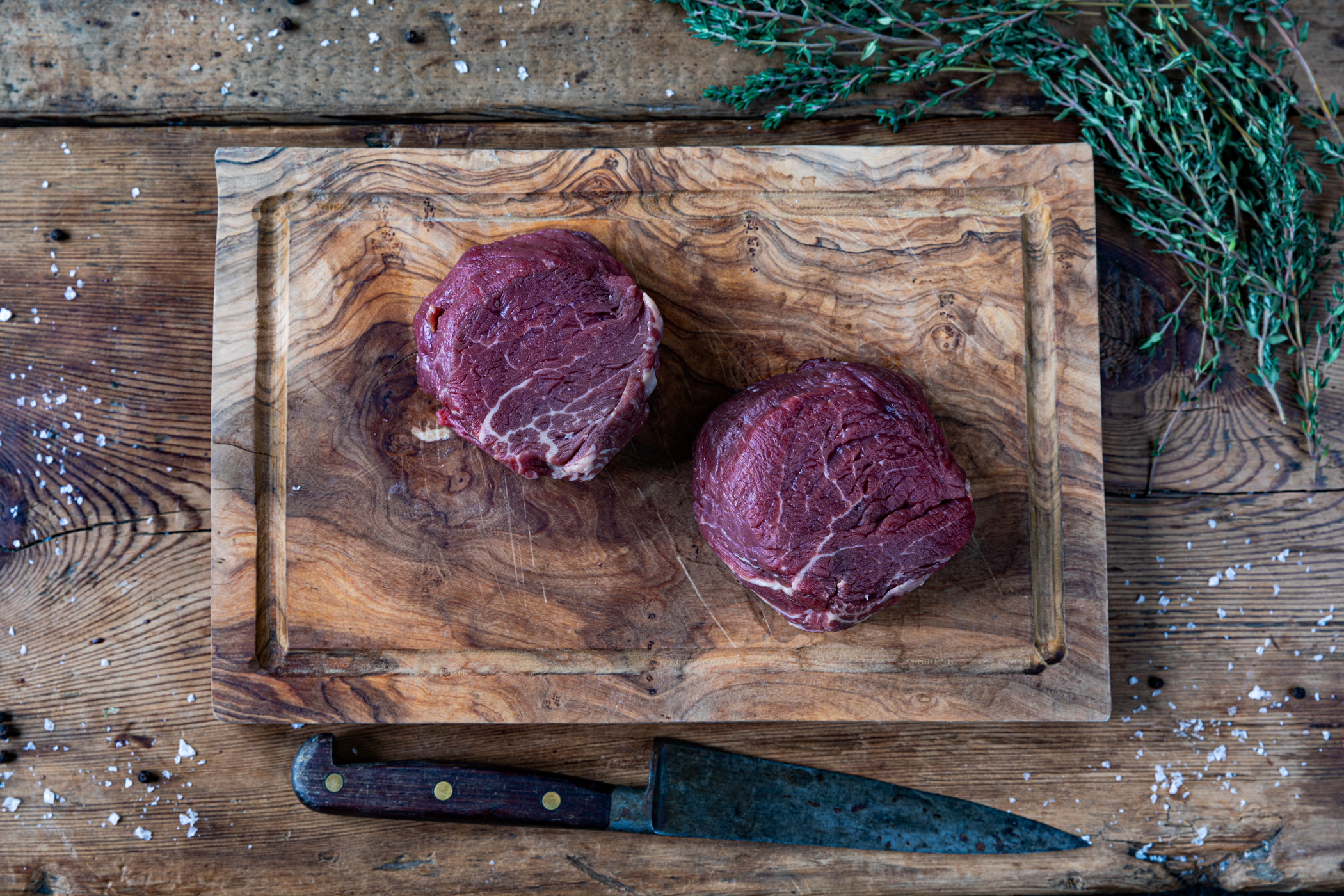
Oxidation occurs when meat is exposed to air. For this reason, vacuum packing is an excellent storage method, as shelf life is extended in the absence of oxygen. One pitfall to be aware of is ensuring the vacuum seal remains intact. If air enters the bag, the environment changes rapidly. Spoilage bacteria, previously held in check by the lack of oxygen, now flourish. Smaller items, such as prepared steaks, are more vulnerable than larger joints like a rib of beef. In the same chilled environment, the larger cut will spoil more slowly.
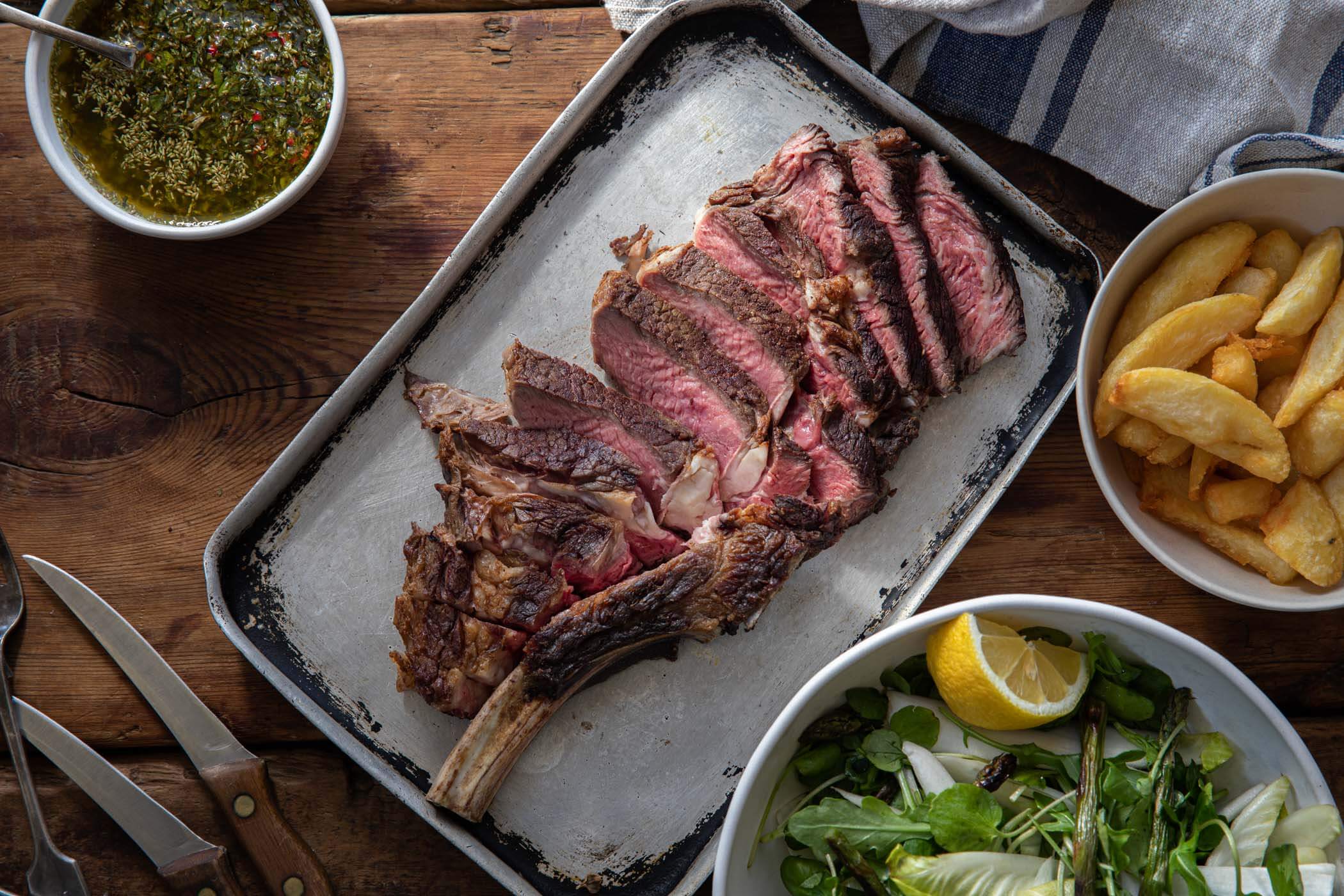
Why does a steak curl or “bowl” as it cooks — is it down to fat distribution, heat, trimming, or something else?
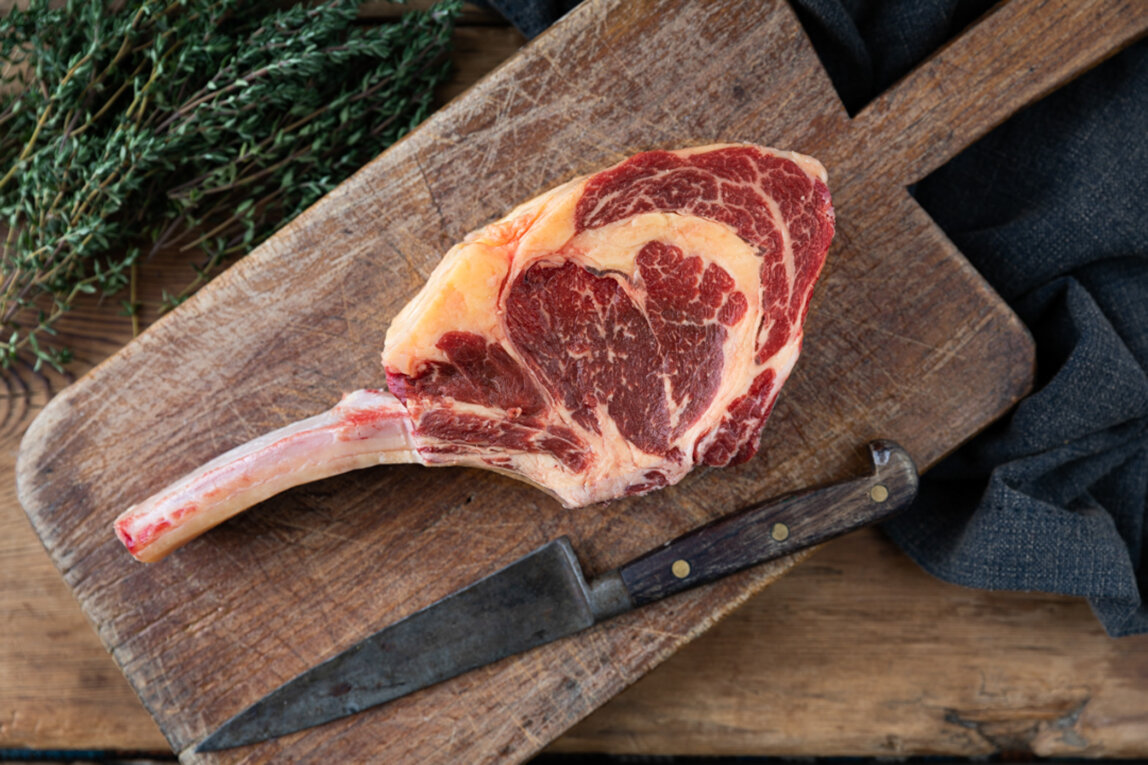
Several factors can cause a steak to curl. A dry-aged steak, which has lost moisture, is less inclined to curl than a fresher one. The fresher the steak, the more its shape changes as it cooks, with moisture loss and size reduction contributing to curling. Another factor is the presence of a tendon. Some steaks, such as sirloin, include a tendon (in this case the nuchal ligament) between the flesh and the fat. While this tendon can be removed, doing so may also remove some of the fat, which contributes to flavour. For this reason, it’s often preferable to leave both fat and tendon in place. However, a small incision through the tendon can help prevent curling in the pan.
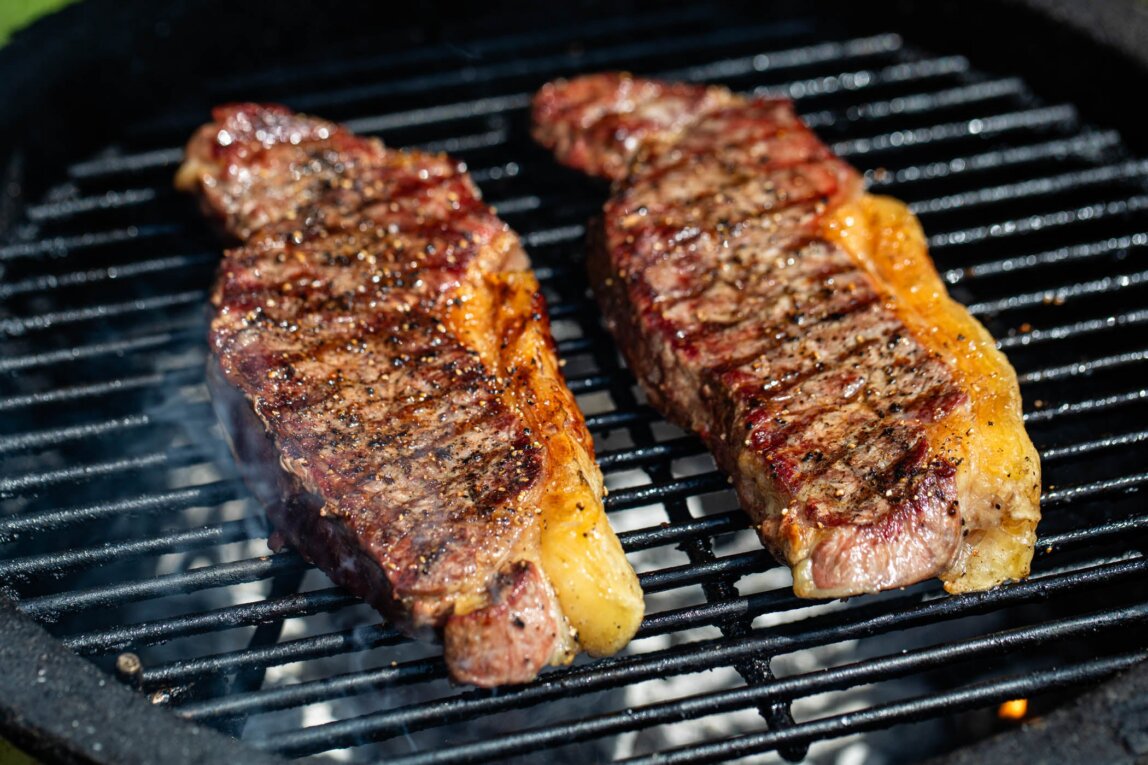
What practical steps can home cooks take, for example scoring, using a weight, or adjusting the heat, to keep a steak flat in the pan or on the grill?
A well-prepared and aged steak should need minimal intervention. If required, a cast iron steak press can be used to keep the steak in full contact with the pan.
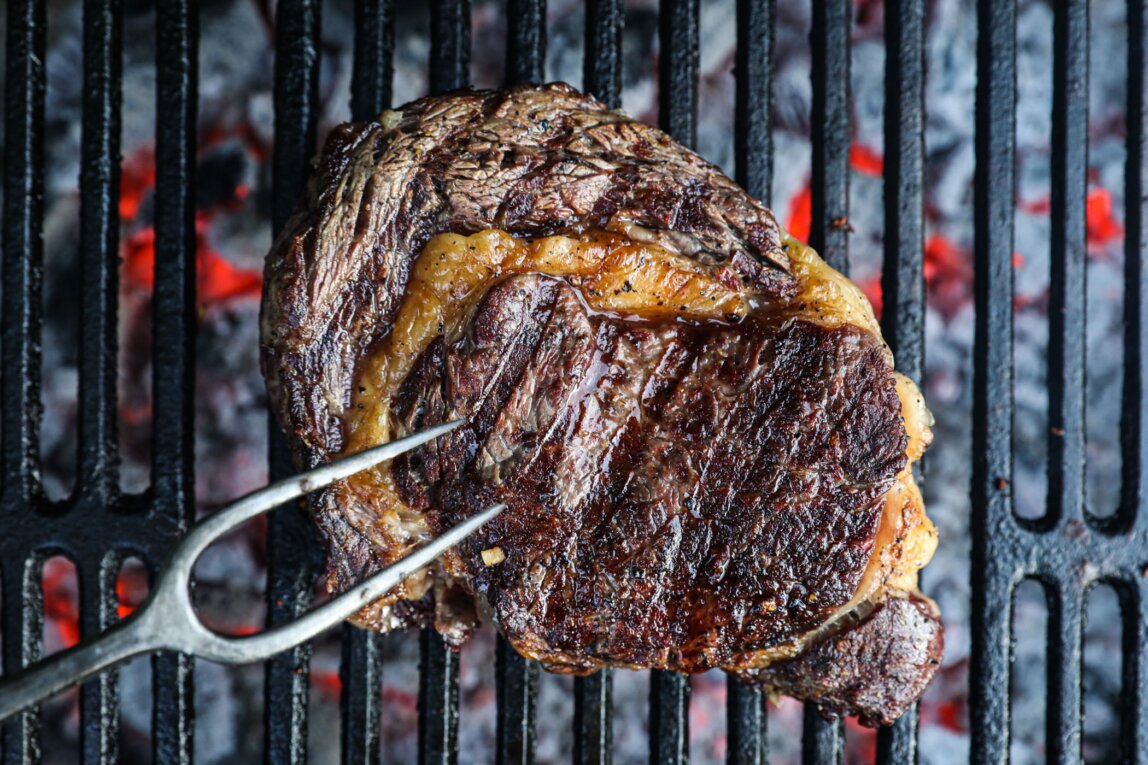
Why is patting a steak dry essential before seasoning or dry-brining if you want a restaurant-quality crust?
Removing surface moisture is crucial, as it can prevent a crust from forming and cause the steak to steam in its own juices. Moisture inhibits the Maillard reaction, a complex series of chemical reactions between amino acids and sugars that occurs when steak is cooked at high heat, resulting in characteristic browning.
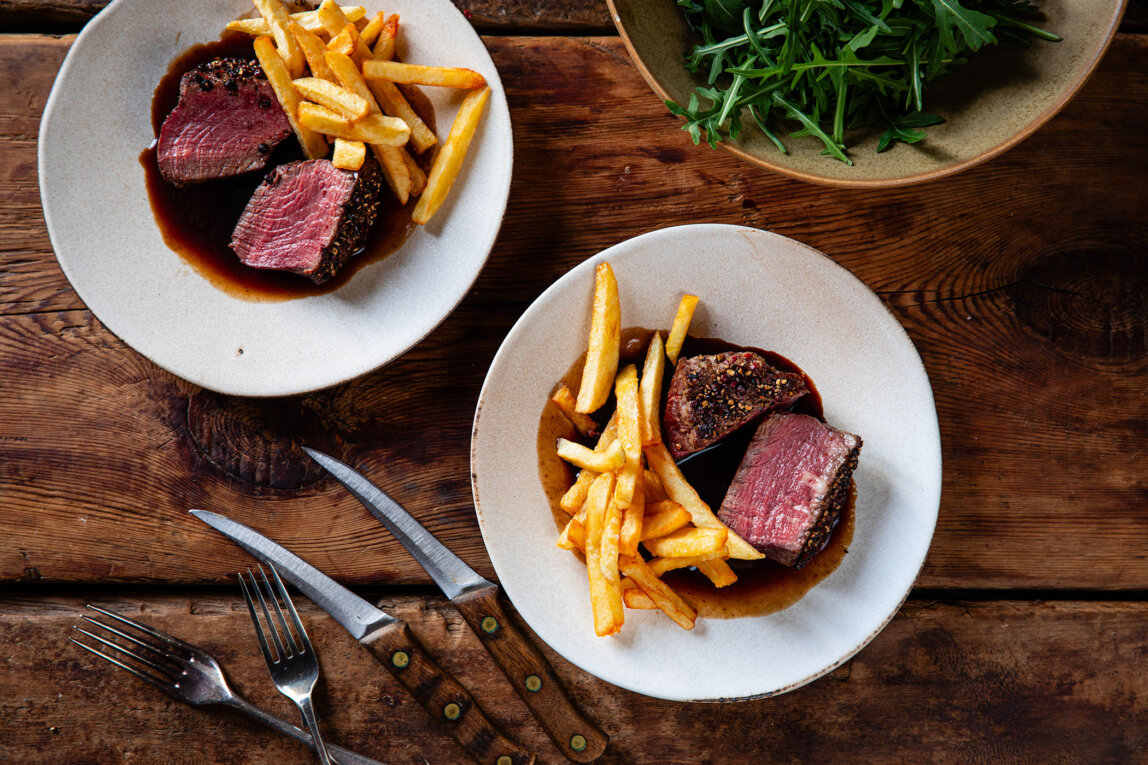
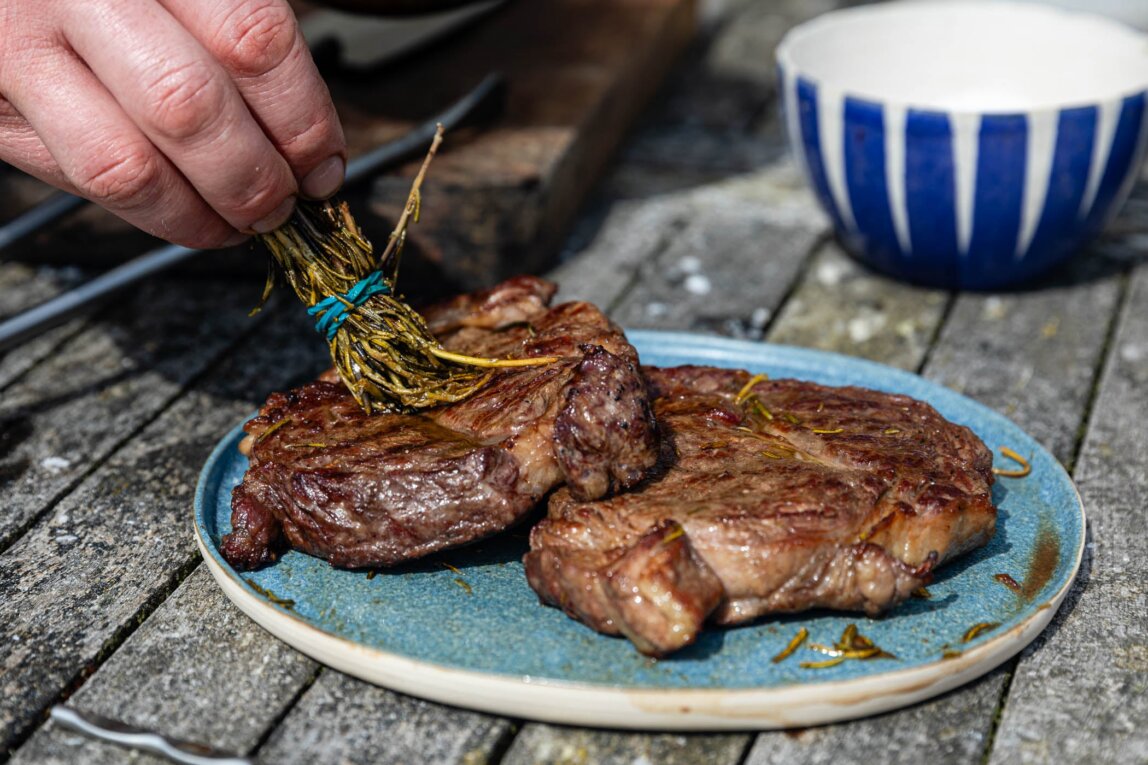
Does drying affect how salt penetrates the meat, and how far in advance should you do it for the best results?
Yes, drying is essential, as it allows salt to penetrate more effectively and prepares the surface for browning. The time required varies with the size of the cut. For smaller cuts like steaks, allow at least 45 minutes for the salt to dry the surface and begin penetrating. For thicker cuts, longer is better, ideally overnight. A good rule of thumb is 1% salt by weight of the meat.