How-To Guides

How to Cook Rolled Sirloin of Beef

What is Rolled Sirloin?

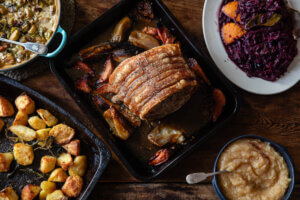
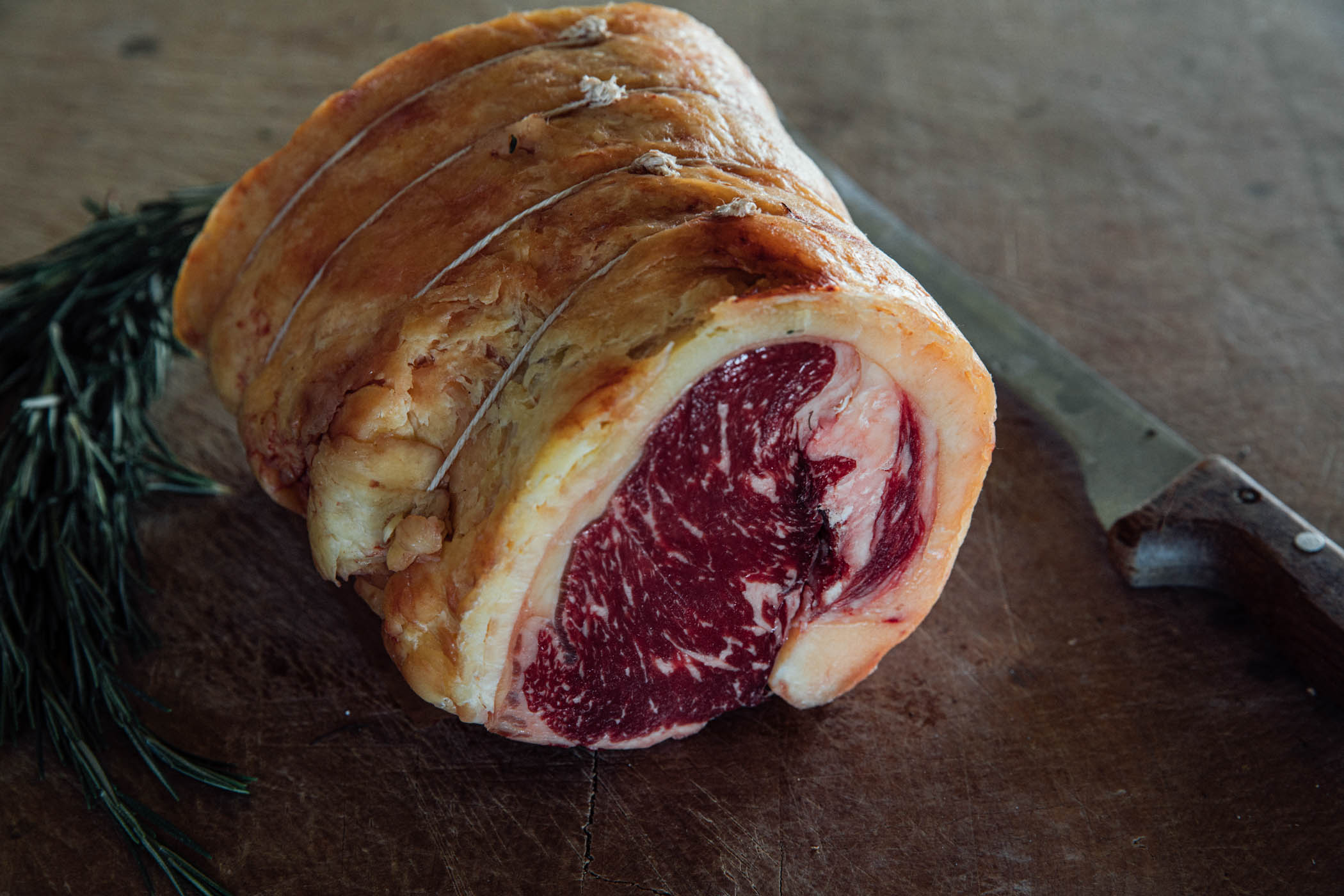
How to Cook Rolled Sirloin of Beef: Rolled sirloin of beef is often hailed as “The King” of roasting joints, and it’s easy to see why. Cut from the saddle of the carcass, situated between the rump and fore-rib, this classic joint is a staple for Sunday roasts and makes a show-stopping centrepiece for any occasion.

At Swaledale, we elevate this already impressive cut with authentic, old-fashioned dry-ageing, enhancing its tenderness and unlocking deep, rich flavours that shine when cooked to perfection. This rolled beef sirloin recipe is ideal for those seeking a premium dry-aged sirloin joint, perfect for creating a standout Sunday roast.

Swaledale takes this delicious, punchy joint to the next level with authentic, old-fashioned dry-ageing that delivers incredible tenderness and flavour when cooked.

Rolled Sirloin Cooking Time

To achieve even cooking, remove the beef from the fridge at least 1–2 hours before cooking to bring it to room temperature. This essential step ensures the meat cooks evenly and retains its juiciness.

For the most succulent and flavourful results, roast your rolled sirloin of beef at 160°C for the following times: 10–12 minutes per 500g for rare, 12–14 minutes per 500g for medium-rare, and 16–18 minutes per 500g for medium. These timings, combined with an initial high-heat sear at 220°C for 10 minutes, will help achieve a beautifully caramelised exterior.

Using a meat thermometer is essential for precision. Aim for an internal temperature of 49–51°C for rare, 53–54°C for medium-rare, and 57–59°C for medium. Allowing the beef to rest after roasting will ensure the meat remains tender and juicy. Keep in mind that the joint will continue to cook as it rests (this residual cooking effect is more significant for larger joints and less for smaller ones), so it’s best to remove the beef from the oven 3–4 degrees below your target temperature.

For those looking to elevate their roast, consider our low-temperature roasting technique, which requires a minimum of 3 hours and delivers unmatched tenderness and uniform cooking. Whether you opt for traditional or low-temperature roasting, rolled sirloin is a true showstopper, perfect for any occasion and guaranteed to impress.

The Best Way to Cook Rolled Sirloin

Traditional Roasting Technique

  1. Prepare the Joint: Remove the beef from its packaging, pat it dry, and allow it to come to room temperature. Preheat your oven to 220°C/Fan 200°C/Gas 7.
  2. Season and Arrange: Rub a little oil over the joint and season generously with high-quality sea salt and freshly cracked black pepper. Place the joint fat-side up in a roasting tray, positioned on a trivet of coarsely chopped carrots, onions, celery, and beef bones.
  3. Initial High Heat: Roast in the centre of the oven for 15 minutes. This step helps to develop a rich crust.
  4. Lower the Temperature: Reduce the oven temperature to 160°C/Fan 140°C/Gas 3. Add a large glass of liquid to the roasting tray – red wine is ideal, but white wine or beef/chicken stock works well too.
  5. Continue Roasting: Roast for 12–14 minutes per 500g, turning the joint halfway through to ensure even cooking.
  6. Check for Doneness: Use a meat thermometer for precision. Aim for 49–51°C for rare, 53–55°C for medium-rare, and 57–59°C for medium, bearing in mind the joint will rise by 3–4 degrees during resting.
  7. Rest the Beef: Once cooked to your desired doneness, remove the joint from the tray and set it aside to rest. After 10 minutes, loosely cover it with foil to retain warmth. Rest for half the roasting time, or a minimum of 15–20 minutes, before carving.
  8. Make the Gravy: Pour 450ml of beef or chicken stock into the roasting tray. Bring to a simmer, reducing the liquid until thickened. Strain through a sieve to remove the bones and vegetables. For an extra-rich finish, stir in a cold knob of butter just before serving.
  9. Carve and Serve: Slice the rested beef into thick slices and serve with the warm, rich gravy.

Low-Temperature Roasting Technique

  1. Prepare the Beef: Take your rolled sirloin of beef out of the refrigerator before cooking. Remove it from the vacuum packaging, pat dry any moisture, and allow it to come to room temperature.
  2. Set the Oven: Set your oven to 65°C – this is a very low temperature, and if using a gas cooker, the pilot light may suffice. While this technique works best at 65°C, slightly higher temperatures can be used, though they may alter the timings. Using a meat thermometer is essential to ensure precision.
  3. Season and Roast: Rub the beef with a little oil and season generously with sea salt and freshly cracked black pepper. Depending on the size of the joint, roasting will take a minimum of 3 hours. Aim for an internal temperature of 49–51°C for rare, 53–55°C for medium-rare, or 57–59°C for medium. As you are roasting at a low temperature, the joint won’t continue to cook once removed from the oven, so there’s no need to account for residual cooking during resting.
  4. Rest the Beef: Once the beef has reached the desired internal temperature, rest it for at least 10–15 minutes, or up to one hour, loosely covered in foil. A shorter resting period isn’t an issue, as the meat hasn’t contracted in the same way it would during traditional high-temperature roasting.
  5. Caramelise the Crust: For the final stage, place the beef in an oven set to full blast until an even, caramelised colour is achieved – this will take 6–10 minutes. Due to the low-temperature roasting technique, further resting is unnecessary.
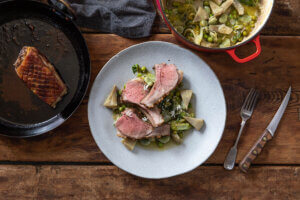
  6. Carve and Serve: Carve into slices approximately 1cm thick and serve immediately.

This method ensures perfectly cooked, tender beef with a beautifully caramelised crust, making it the perfect centrepiece for any special occasion.

Top Tips for Low-Temperature Roasting

  • Invest in a Meat Thermometer: Precision is key for this method. A meat thermometer ensures your joint reaches the perfect temperature for your desired doneness.
  • Allow the Beef to Warm Up: Bringing the beef to room temperature before cooking helps it roast evenly.
  • Boost Flavour with a Trivet: For even more flavour, place the joint on a trivet of chopped vegetables and beef bones. The resulting pan juices will elevate your gravy.
  • Final Blast for a Perfect Crust: Don’t rush the final caramelisation stage. Use a high oven temperature to achieve a beautiful golden-brown crust without overcooking the beef.
  • Keep the Sauce Simple: A rich beef stock or simple red wine reduction pairs beautifully with this tender cut, letting the meat’s natural flavour shine.

Rolled Sirloin Recipe

Val Warner’s Rolled Beef Sirloin Recipe with Porcini Sauce is the perfect marriage of traditional roasting and indulgent, earthy flavours. This dish transforms a beautifully dry-aged, grass-fed sirloin joint into a centrepiece worthy of any special occasion.

The velvety porcini sauce, infused with wild mushrooms, vermouth, and cream, is the ultimate accompaniment to the tender, caramelised beef. Val’s expert touch brings out the best in the sirloin, blending rustic charm with a touch of sophistication. Whether you’re hosting a Sunday roast or a celebratory dinner, this recipe guarantees a show-stopping meal that combines depth, flavour, and elegance.

Order meat online

Instagram

  • A classic of French cooking, built on combinations that have stood their ground for good reason, and long may they do so.

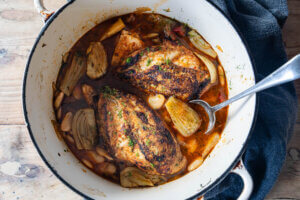
Chicken breast roasted in brown butter, creamy mash worked with plenty of butter and dairy, and a mustard sauce brought together with cream. It reads rich, but it eats with balance. The Dijon and tarragon cut through, lifting the dish and keeping it in check.
  • A classic of French cooking, built on combinations that have stood their ground for good reason, and long may they do so.

Chicken breast roasted in brown butter, creamy mash worked with plenty of butter and dairy, and a mustard sauce brought together with cream. It reads rich, but it eats with balance. The Dijon and tarragon cut through, lifting the dish and keeping it in check.

This is food that does not chase anything. It knows exactly what it is.
  • Filmed on a blustery day at the Harewood House estate, Ellen talks us through the Highland cattle and the wider farming approach shaping the land here.

These short films look at how the estate is guiding the land back towards what it once was, using the right livestock for the right terrain and allowing systems to work with the landscape rather than against it. Hardy cattle, able to outwinter on pasture alone, reduce the need for inputs and bring a different kind of balance to the farm.

For chefs, this is where the story begins. The flavour comes later, but it is built here, in the fields, through decisions made over time rather than in a single season.

It is a strong example of thoughtful farming, where lower inputs and careful management can support both the land and a sustainable margin, all driven by a clear intention to make the estate work for nature as much as it does for people.
  • We love it when a plan comes together! And this little project with @llewelynslondon provides a great example. 

It all started with a trip up to Swaledale HQ, to see the butchery and meet the team; bacon, black pudding and egg baps were laid on fo breakfast. Then it was off to see one of our network of farmers; Jim Mallender, over in Thornton in craven. Jim and his family showed us round and held a sort of farming Q&A. Then we cooked some cuts on a bbq and sampled the llewelyns take on a hotpot. Truly bringing farmers and chef together and a wonderful day for all involved. 

Off the back of the visit a special dinner an d a three course menu of dreams. It celebrates not just our produce and their cooking but also the 6 beautiful years that head chef michael (@skinnylittlefatman) has spent at the helm of this charming restaurant. 

We are extremely excited to eat and drink tonight to celebrate all those things.
  • There might not be a food that is more of this generation than fried chicken. It’s eminently Instagram-able (or TikTok-able depending on your age), malleable to various cuisines and extremely delicious. Plus, it has just the right amount of technique, if you know what I mean. The sort of thing that, if you’re not giving it the requisite thought and attention, can be a bit ropey. No danger of that here though…

@Grylos has given it the Swaledale treatment, i.e. keeping it simple, making it delicious and showing off our incredible meat. So, with no more than a saffron aioli, some shredded iceberg and a few sliced pickles, this is the fried chicken burger of dreams! Oh, sorry, nearly forgot the crispy chicken skin – told you there was just the right amount of technique. 

There are few things that we would want to munch down for lunch more than one of these bad boys. Give ‘em a whirl!
  • Always good to welcome chefs to the butchery. Earlier this week the teams from @llewelynslondon came up to see us. We showed them around the cutting room, talked through how we work, then headed up the hill for a bit of cooking and conversation.

For many chefs it is the first chance to see the whole journey. From the farms and fields where the animals are raised, through our ageing rooms, and finally into the kitchens that cook it.

If you are a chef and fancy a visit this year, you would be very welcome. Send us a message and we will put the kettle on.
  • March sits between seasons. Winter has not quite loosened its grip, and there is still time, and need, for fortifying pleasures. A bowl of chicken broth is one of them.

It begins with a proper chicken stock. Just bones and time in the pot, slowly giving up their flavour until the liquid runs clear and deeply savoury. If you watched our earlier film on how to break down a whole chicken, this is where the rest of it finds its purpose.

From there the broth is built. Pearl barley for substance. Cavolo nero and turnips for the season. Simple things, allowed to do their work in good stock.

Just before serving, a small splash of oloroso lifts the whole bowl.
  • On a recent trip down to London we spent time in some very good kitchens, talking to serious chefs, and the conversation kept returning to farming. Not trends or noise, but where the beef is truly coming from.

We kept bringing up the work at the Harewood House estate.

It is a project we intend to give real focus to this year, because what has been achieved there, and what continues to develop, deserves attention. On a recent visit we walked the fields with Ellen, spending time with the Highlands that many walkers know from the estate’s mires, quietly becoming unlikely stars of TikTok. Beautiful cattle, carefully and thoughtfully managed.

They have been fully outwintered and fed only on pasture. Stock levels are low, grazing is controlled, and the result is clear in their condition.

This beef is now heading into some of the most loved kitchens in the country and the response is and feedback is very good.

A short film will follow, but for now it is worth recognising the work. We look forward to sharing more from Harewood in the months ahead.
A classic of French cooking, built on combinations that have stood their ground for good reason, and long may they do so. Chicken breast roasted in brown butter, creamy mash worked with plenty of butter and dairy, and a mustard sauce brought together with cream. It reads rich, but it eats with balance. The Dijon and tarragon cut through, lifting the dish and keeping it in check.
7 days ago
7
View on Instagram |
1/8
A classic of French cooking, built on combinations that have stood their ground for good reason, and long may they do so. Chicken breast roasted in brown butter, creamy mash worked with plenty of butter and dairy, and a mustard sauce brought together with cream. It reads rich, but it eats with balance. The Dijon and tarragon cut through, lifting the dish and keeping it in check. This is food that does not chase anything. It knows exactly what it is.
7 days ago
515
View on Instagram |
2/8
Filmed on a blustery day at the Harewood House estate, Ellen talks us through the Highland cattle and the wider farming approach shaping the land here. These short films look at how the estate is guiding the land back towards what it once was, using the right livestock for the right terrain and allowing systems to work with the landscape rather than against it. Hardy cattle, able to outwinter on pasture alone, reduce the need for inputs and bring a different kind of balance to the farm. For chefs, this is where the story begins. The flavour comes later, but it is built here, in the fields, through decisions made over time rather than in a single season. It is a strong example of thoughtful farming, where lower inputs and careful management can support both the land and a sustainable margin, all driven by a clear intention to make the estate work for nature as much as it does for people.
2 weeks ago
63
View on Instagram |
3/8
We love it when a plan comes together! And this little project with @llewelynslondon provides a great example. It all started with a trip up to Swaledale HQ, to see the butchery and meet the team; bacon, black pudding and egg baps were laid on fo breakfast. Then it was off to see one of our network of farmers; Jim Mallender, over in Thornton in craven. Jim and his family showed us round and held a sort of farming Q&A. Then we cooked some cuts on a bbq and sampled the llewelyns take on a hotpot. Truly bringing farmers and chef together and a wonderful day for all involved. Off the back of the visit a special dinner an d a three course menu of dreams. It celebrates not just our produce and their cooking but also the 6 beautiful years that head chef michael (@skinnylittlefatman) has spent at the helm of this charming restaurant. We are extremely excited to eat and drink tonight to celebrate all those things.
2 weeks ago
57
View on Instagram |
4/8
There might not be a food that is more of this generation than fried chicken. It’s eminently Instagram-able (or TikTok-able depending on your age), malleable to various cuisines and extremely delicious. Plus, it has just the right amount of technique, if you know what I mean. The sort of thing that, if you’re not giving it the requisite thought and attention, can be a bit ropey. No danger of that here though… @Grylos has given it the Swaledale treatment, i.e. keeping it simple, making it delicious and showing off our incredible meat. So, with no more than a saffron aioli, some shredded iceberg and a few sliced pickles, this is the fried chicken burger of dreams! Oh, sorry, nearly forgot the crispy chicken skin – told you there was just the right amount of technique. There are few things that we would want to munch down for lunch more than one of these bad boys. Give ‘em a whirl!
3 weeks ago
665
View on Instagram |
5/8
Always good to welcome chefs to the butchery. Earlier this week the teams from @llewelynslondon came up to see us. We showed them around the cutting room, talked through how we work, then headed up the hill for a bit of cooking and conversation.

For many chefs it is the first chance to see the whole journey. From the farms and fields where the animals are raised, through our ageing rooms, and finally into the kitchens that cook it.

If you are a chef and fancy a visit this year, you would be very welcome. Send us a message and we will put the kettle on.
Always good to welcome chefs to the butchery. Earlier this week the teams from @llewelynslondon came up to see us. We showed them around the cutting room, talked through how we work, then headed up the hill for a bit of cooking and conversation.

For many chefs it is the first chance to see the whole journey. From the farms and fields where the animals are raised, through our ageing rooms, and finally into the kitchens that cook it.

If you are a chef and fancy a visit this year, you would be very welcome. Send us a message and we will put the kettle on.
Always good to welcome chefs to the butchery. Earlier this week the teams from @llewelynslondon came up to see us. We showed them around the cutting room, talked through how we work, then headed up the hill for a bit of cooking and conversation.

For many chefs it is the first chance to see the whole journey. From the farms and fields where the animals are raised, through our ageing rooms, and finally into the kitchens that cook it.

If you are a chef and fancy a visit this year, you would be very welcome. Send us a message and we will put the kettle on.
Always good to welcome chefs to the butchery. Earlier this week the teams from @llewelynslondon came up to see us. We showed them around the cutting room, talked through how we work, then headed up the hill for a bit of cooking and conversation. For many chefs it is the first chance to see the whole journey. From the farms and fields where the animals are raised, through our ageing rooms, and finally into the kitchens that cook it. If you are a chef and fancy a visit this year, you would be very welcome. Send us a message and we will put the kettle on.
4 weeks ago
52
View on Instagram |
6/8
March sits between seasons. Winter has not quite loosened its grip, and there is still time, and need, for fortifying pleasures. A bowl of chicken broth is one of them. It begins with a proper chicken stock. Just bones and time in the pot, slowly giving up their flavour until the liquid runs clear and deeply savoury. If you watched our earlier film on how to break down a whole chicken, this is where the rest of it finds its purpose. From there the broth is built. Pearl barley for substance. Cavolo nero and turnips for the season. Simple things, allowed to do their work in good stock. Just before serving, a small splash of oloroso lifts the whole bowl.
4 weeks ago
962
View on Instagram |
7/8
On a recent trip down to London we spent time in some very good kitchens, talking to serious chefs, and the conversation kept returning to farming. Not trends or noise, but where the beef is truly coming from.

We kept bringing up the work at the Harewood House estate.

It is a project we intend to give real focus to this year, because what has been achieved there, and what continues to develop, deserves attention. On a recent visit we walked the fields with Ellen, spending time with the Highlands that many walkers know from the estate’s mires, quietly becoming unlikely stars of TikTok. Beautiful cattle, carefully and thoughtfully managed.

They have been fully outwintered and fed only on pasture. Stock levels are low, grazing is controlled, and the result is clear in their condition.

This beef is now heading into some of the most loved kitchens in the country and the response is and feedback is very good.

A short film will follow, but for now it is worth recognising the work. We look forward to sharing more from Harewood in the months ahead.
On a recent trip down to London we spent time in some very good kitchens, talking to serious chefs, and the conversation kept returning to farming. Not trends or noise, but where the beef is truly coming from.

We kept bringing up the work at the Harewood House estate.

It is a project we intend to give real focus to this year, because what has been achieved there, and what continues to develop, deserves attention. On a recent visit we walked the fields with Ellen, spending time with the Highlands that many walkers know from the estate’s mires, quietly becoming unlikely stars of TikTok. Beautiful cattle, carefully and thoughtfully managed.

They have been fully outwintered and fed only on pasture. Stock levels are low, grazing is controlled, and the result is clear in their condition.

This beef is now heading into some of the most loved kitchens in the country and the response is and feedback is very good.

A short film will follow, but for now it is worth recognising the work. We look forward to sharing more from Harewood in the months ahead.
On a recent trip down to London we spent time in some very good kitchens, talking to serious chefs, and the conversation kept returning to farming. Not trends or noise, but where the beef is truly coming from. We kept bringing up the work at the Harewood House estate. It is a project we intend to give real focus to this year, because what has been achieved there, and what continues to develop, deserves attention. On a recent visit we walked the fields with Ellen, spending time with the Highlands that many walkers know from the estate’s mires, quietly becoming unlikely stars of TikTok. Beautiful cattle, carefully and thoughtfully managed. They have been fully outwintered and fed only on pasture. Stock levels are low, grazing is controlled, and the result is clear in their condition. This beef is now heading into some of the most loved kitchens in the country and the response is and feedback is very good. A short film will follow, but for now it is worth recognising the work. We look forward to sharing more from Harewood in the months ahead.
1 month ago
58
View on Instagram |
8/8