Pork Recipes

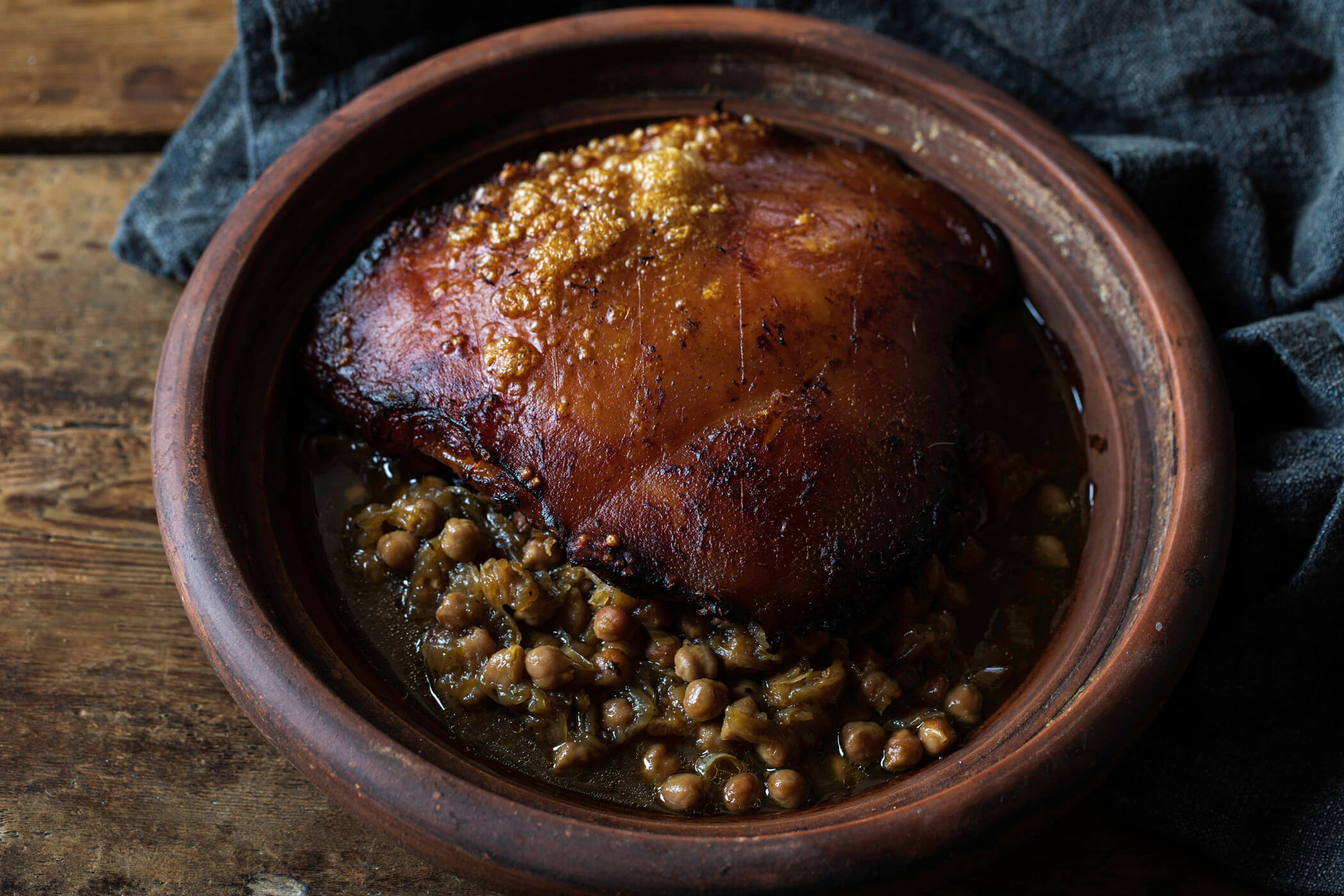
Whole Pork Cheek with Chickpeas, Oloroso & Sweet Onions

A whole pork cheek recipe is the epitome of indulgence – beautifully soft flesh, a generous layer of fat, and perfectly crisp crackling. It truly ticks all the boxes for a rich and satisfying dish. If you know, you know.

This whole pork cheek recipe is rustic in the best possible way, with a charming Andalusian countryside vibe that I absolutely adore. It’s unapologetically bold, showcasing unctuous pork cheek and soft, flavourful chickpeas in a hearty one-pot dish. While you might be tempted to add greens or vegetables, this dish is best served the traditional way – with lots of bread to soak up all the rich, delicious juices.

As indulgent as it is, this recipe is surprisingly easy to prepare, making it perfect for anyone who loves slow-cooked pork and comforting, rustic flavours.

Serves: 3-4

Prep time: 25 minutes

Cook time: 6 hours 30 minutes

Ingredients

Method

  1. Take the pork cheek out of the fridge and remove it from its packaging. Liberally season all over with salt and set aside for 45 minutes to allow the salt to permeate the meat.
  2. Drain the soaked chickpeas and place them in a pan. Cover with water and bring to a boil over high heat. Reduce the heat and simmer for 20 minutes.
  3. In a large pan with a well-fitting lid, heat 3 tablespoons of extra virgin olive oil over medium heat. Add the onions, bay leaves, and a pinch of salt. Cover with the lid and cook gently, stirring regularly. The goal is to soften the onions completely and release their sweetness without allowing them to colour. This process takes about an hour, but patience will be rewarded.
  4. Preheat your oven to 120°C.
  5. Drain the chickpeas and add them to the onions. Pour in the Oloroso sherry, bring to a boil, and then add enough chicken stock to just cover the chickpeas. Allow it to return to a boil, then carefully place the pork cheek in the dish. Cover with the lid and transfer to the oven for 2 ½ hours.
  6. After 2 ½ hours, remove the lid and return the pot to the oven for another 2 ½ hours. If the chickpeas have absorbed most of the liquid and the pot looks dry, add a splash more chicken stock.
  7. Check if the pork is cooked by inserting a knife into the side of the cheek (not through the skin). If the knife slides in easily, the cheek is ready.
  8. Increase the oven temperature to 200°C. Check the liquid levels once more and add a little chicken stock if necessary. Return the pan to the oven for 12–15 minutes to crisp up the cheek’s skin.
  9. Once done, remove the pan from the oven and allow the dish to rest for at least 30 minutes. Carefully lift the cheek out of the pan and add 1 teaspoon of sherry vinegar to the chickpeas. Stir well and adjust the seasoning if needed.
  10. Serve with crusty bread and a chilled glass of Fino sherry. Enjoy!

Order meat online

Instagram

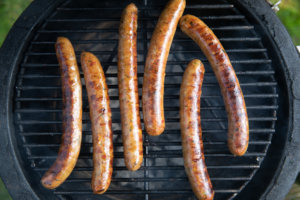
  • We are reaching the end of our wild garlic sausages, as the season begins to slip away and only the deeper, shaded pockets of woodland still offer the tender leaves we rely on.

It is from these cooler, quieter areas that we are still able to gather what we need, though even here the plants are beginning to turn, and once the flowers arrive, the flavour shifts and our time with wild garlic comes to a close for another year.

As ever, we follow the season rather than stretch it, working with what is left while it is still at its best, which means if you have been enjoying them, or have been meaning to try them, now is the time to cook them or put a few aside for later.

Before long, they will be gone, and we will wait for spring to bring them back again.
  • A while back we had the pleasure of visiting @petea25 at the @cantonarms Arms, where we spoke about their ever evolving menu, a place that is not afraid to cook things until they are gone and then move on to something new.

We saw how they treated the Swaledale pork chop, and it told you everything you needed to know. Cooked with care, handled properly, and full of flavour.

It was, simply, delicious.
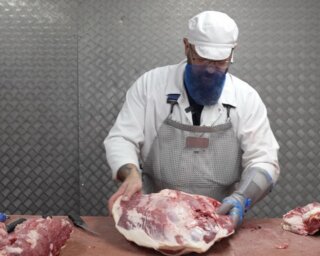
  • Here’s our Trevor, stood in front of an expertly butchered sirloin section.

Porterhouse, T bone, Wing rib, New York strip, fillet, sirloin.

All cut from the same part of the animal, each one offering something slightly different.

Key question is; which one are you taking?
  • The Dales never hurry themselves into spring, and this year is no different. You can drive through them and still feel winter holding on, yet something has shifted all the same.

It begins quietly. Hawthorn shows along the hedgerows, just enough to catch the eye. The grass is lifting, the fields softening, losing that tired, flattened look they carry through the colder months.

Out on the land, the change is clearer. Lambs are scattered across the fields, finding their feet, while cattle have been turned back out and settle easily into the pasture. There is a rhythm to it again, a sense that the farms are beginning to move.

Nothing arrives all at once. It comes on steadily, almost cautiously, as the land turns back to life.
  • The fallacy of Spring lamb!

When we eat lamb in early April, we aren’t eating the lovely little fluffy things people see hopping about in the fields. In fact, you’re actually eating – or at least you are if you are buying from us – old season lamb. The animals that were born the previous springtime. They are age wise, on the verge of morphing into hogget and, in our opinion, it is lamb at its very best. More flavourful as the meat has developed with age, but still with the tenderness one expects with lamb. 
One thing that is not in doubt is that it pairs perfectly with a lot of the seasonal ingredients of this time of year, the peas, broad beans and courgettes from the continent, plus Jersey royals, asparagus and wild garlic from these shores. 
We have plenty of these wonderful carcasses ageing in our fridges, so embrace the idea of eating last years spring lamb!
  • A classic of French cooking, built on combinations that have stood their ground for good reason, and long may they do so.

Chicken breast roasted in brown butter, creamy mash worked with plenty of butter and dairy, and a mustard sauce brought together with cream. It reads rich, but it eats with balance. The Dijon and tarragon cut through, lifting the dish and keeping it in check.
  • A classic of French cooking, built on combinations that have stood their ground for good reason, and long may they do so.

Chicken breast roasted in brown butter, creamy mash worked with plenty of butter and dairy, and a mustard sauce brought together with cream. It reads rich, but it eats with balance. The Dijon and tarragon cut through, lifting the dish and keeping it in check.

This is food that does not chase anything. It knows exactly what it is.
  • Filmed on a blustery day at the Harewood House estate, Ellen talks us through the Highland cattle and the wider farming approach shaping the land here.

These short films look at how the estate is guiding the land back towards what it once was, using the right livestock for the right terrain and allowing systems to work with the landscape rather than against it. Hardy cattle, able to outwinter on pasture alone, reduce the need for inputs and bring a different kind of balance to the farm.

For chefs, this is where the story begins. The flavour comes later, but it is built here, in the fields, through decisions made over time rather than in a single season.

It is a strong example of thoughtful farming, where lower inputs and careful management can support both the land and a sustainable margin, all driven by a clear intention to make the estate work for nature as much as it does for people.
We are reaching the end of our wild garlic sausages, as the season begins to slip away and only the deeper, shaded pockets of woodland still offer the tender leaves we rely on.

It is from these cooler, quieter areas that we are still able to gather what we need, though even here the plants are beginning to turn, and once the flowers arrive, the flavour shifts and our time with wild garlic comes to a close for another year.

As ever, we follow the season rather than stretch it, working with what is left while it is still at its best, which means if you have been enjoying them, or have been meaning to try them, now is the time to cook them or put a few aside for later.

Before long, they will be gone, and we will wait for spring to bring them back again.
We are reaching the end of our wild garlic sausages, as the season begins to slip away and only the deeper, shaded pockets of woodland still offer the tender leaves we rely on.

It is from these cooler, quieter areas that we are still able to gather what we need, though even here the plants are beginning to turn, and once the flowers arrive, the flavour shifts and our time with wild garlic comes to a close for another year.

As ever, we follow the season rather than stretch it, working with what is left while it is still at its best, which means if you have been enjoying them, or have been meaning to try them, now is the time to cook them or put a few aside for later.

Before long, they will be gone, and we will wait for spring to bring them back again.
We are reaching the end of our wild garlic sausages, as the season begins to slip away and only the deeper, shaded pockets of woodland still offer the tender leaves we rely on.

It is from these cooler, quieter areas that we are still able to gather what we need, though even here the plants are beginning to turn, and once the flowers arrive, the flavour shifts and our time with wild garlic comes to a close for another year.

As ever, we follow the season rather than stretch it, working with what is left while it is still at its best, which means if you have been enjoying them, or have been meaning to try them, now is the time to cook them or put a few aside for later.

Before long, they will be gone, and we will wait for spring to bring them back again.
We are reaching the end of our wild garlic sausages, as the season begins to slip away and only the deeper, shaded pockets of woodland still offer the tender leaves we rely on. It is from these cooler, quieter areas that we are still able to gather what we need, though even here the plants are beginning to turn, and once the flowers arrive, the flavour shifts and our time with wild garlic comes to a close for another year. As ever, we follow the season rather than stretch it, working with what is left while it is still at its best, which means if you have been enjoying them, or have been meaning to try them, now is the time to cook them or put a few aside for later. Before long, they will be gone, and we will wait for spring to bring them back again.
4 days ago
621
View on Instagram |
1/8
A while back we had the pleasure of visiting @petea25 at the @cantonarms Arms, where we spoke about their ever evolving menu, a place that is not afraid to cook things until they are gone and then move on to something new. We saw how they treated the Swaledale pork chop, and it told you everything you needed to know. Cooked with care, handled properly, and full of flavour. It was, simply, delicious.
6 days ago
3519
View on Instagram |
2/8
Here’s our Trevor, stood in front of an expertly butchered sirloin section.

Porterhouse, T bone, Wing rib, New York strip, fillet, sirloin.

All cut from the same part of the animal, each one offering something slightly different.

Key question is; which one are you taking?
Here’s our Trevor, stood in front of an expertly butchered sirloin section. Porterhouse, T bone, Wing rib, New York strip, fillet, sirloin. All cut from the same part of the animal, each one offering something slightly different. Key question is; which one are you taking?
1 week ago
571
View on Instagram |
3/8
The Dales never hurry themselves into spring, and this year is no different. You can drive through them and still feel winter holding on, yet something has shifted all the same.

It begins quietly. Hawthorn shows along the hedgerows, just enough to catch the eye. The grass is lifting, the fields softening, losing that tired, flattened look they carry through the colder months.

Out on the land, the change is clearer. Lambs are scattered across the fields, finding their feet, while cattle have been turned back out and settle easily into the pasture. There is a rhythm to it again, a sense that the farms are beginning to move.

Nothing arrives all at once. It comes on steadily, almost cautiously, as the land turns back to life.
The Dales never hurry themselves into spring, and this year is no different. You can drive through them and still feel winter holding on, yet something has shifted all the same.

It begins quietly. Hawthorn shows along the hedgerows, just enough to catch the eye. The grass is lifting, the fields softening, losing that tired, flattened look they carry through the colder months.

Out on the land, the change is clearer. Lambs are scattered across the fields, finding their feet, while cattle have been turned back out and settle easily into the pasture. There is a rhythm to it again, a sense that the farms are beginning to move.

Nothing arrives all at once. It comes on steadily, almost cautiously, as the land turns back to life.
The Dales never hurry themselves into spring, and this year is no different. You can drive through them and still feel winter holding on, yet something has shifted all the same.

It begins quietly. Hawthorn shows along the hedgerows, just enough to catch the eye. The grass is lifting, the fields softening, losing that tired, flattened look they carry through the colder months.

Out on the land, the change is clearer. Lambs are scattered across the fields, finding their feet, while cattle have been turned back out and settle easily into the pasture. There is a rhythm to it again, a sense that the farms are beginning to move.

Nothing arrives all at once. It comes on steadily, almost cautiously, as the land turns back to life.
The Dales never hurry themselves into spring, and this year is no different. You can drive through them and still feel winter holding on, yet something has shifted all the same.

It begins quietly. Hawthorn shows along the hedgerows, just enough to catch the eye. The grass is lifting, the fields softening, losing that tired, flattened look they carry through the colder months.

Out on the land, the change is clearer. Lambs are scattered across the fields, finding their feet, while cattle have been turned back out and settle easily into the pasture. There is a rhythm to it again, a sense that the farms are beginning to move.

Nothing arrives all at once. It comes on steadily, almost cautiously, as the land turns back to life.
The Dales never hurry themselves into spring, and this year is no different. You can drive through them and still feel winter holding on, yet something has shifted all the same.

It begins quietly. Hawthorn shows along the hedgerows, just enough to catch the eye. The grass is lifting, the fields softening, losing that tired, flattened look they carry through the colder months.

Out on the land, the change is clearer. Lambs are scattered across the fields, finding their feet, while cattle have been turned back out and settle easily into the pasture. There is a rhythm to it again, a sense that the farms are beginning to move.

Nothing arrives all at once. It comes on steadily, almost cautiously, as the land turns back to life.
The Dales never hurry themselves into spring, and this year is no different. You can drive through them and still feel winter holding on, yet something has shifted all the same. It begins quietly. Hawthorn shows along the hedgerows, just enough to catch the eye. The grass is lifting, the fields softening, losing that tired, flattened look they carry through the colder months. Out on the land, the change is clearer. Lambs are scattered across the fields, finding their feet, while cattle have been turned back out and settle easily into the pasture. There is a rhythm to it again, a sense that the farms are beginning to move. Nothing arrives all at once. It comes on steadily, almost cautiously, as the land turns back to life.
2 weeks ago
481
View on Instagram |
4/8
The fallacy of Spring lamb! When we eat lamb in early April, we aren’t eating the lovely little fluffy things people see hopping about in the fields. In fact, you’re actually eating – or at least you are if you are buying from us – old season lamb. The animals that were born the previous springtime. They are age wise, on the verge of morphing into hogget and, in our opinion, it is lamb at its very best. More flavourful as the meat has developed with age, but still with the tenderness one expects with lamb. One thing that is not in doubt is that it pairs perfectly with a lot of the seasonal ingredients of this time of year, the peas, broad beans and courgettes from the continent, plus Jersey royals, asparagus and wild garlic from these shores. We have plenty of these wonderful carcasses ageing in our fridges, so embrace the idea of eating last years spring lamb!
3 weeks ago
632
View on Instagram |
5/8
A classic of French cooking, built on combinations that have stood their ground for good reason, and long may they do so. Chicken breast roasted in brown butter, creamy mash worked with plenty of butter and dairy, and a mustard sauce brought together with cream. It reads rich, but it eats with balance. The Dijon and tarragon cut through, lifting the dish and keeping it in check.
1 month ago
7
View on Instagram |
6/8
A classic of French cooking, built on combinations that have stood their ground for good reason, and long may they do so. Chicken breast roasted in brown butter, creamy mash worked with plenty of butter and dairy, and a mustard sauce brought together with cream. It reads rich, but it eats with balance. The Dijon and tarragon cut through, lifting the dish and keeping it in check. This is food that does not chase anything. It knows exactly what it is.
1 month ago
535
View on Instagram |
7/8
Filmed on a blustery day at the Harewood House estate, Ellen talks us through the Highland cattle and the wider farming approach shaping the land here. These short films look at how the estate is guiding the land back towards what it once was, using the right livestock for the right terrain and allowing systems to work with the landscape rather than against it. Hardy cattle, able to outwinter on pasture alone, reduce the need for inputs and bring a different kind of balance to the farm. For chefs, this is where the story begins. The flavour comes later, but it is built here, in the fields, through decisions made over time rather than in a single season. It is a strong example of thoughtful farming, where lower inputs and careful management can support both the land and a sustainable margin, all driven by a clear intention to make the estate work for nature as much as it does for people.
1 month ago
64
View on Instagram |
8/8