Which cut of beef is best suited for kebabs, and what makes it ideal for skewering and high-temperature cooking compared to others?
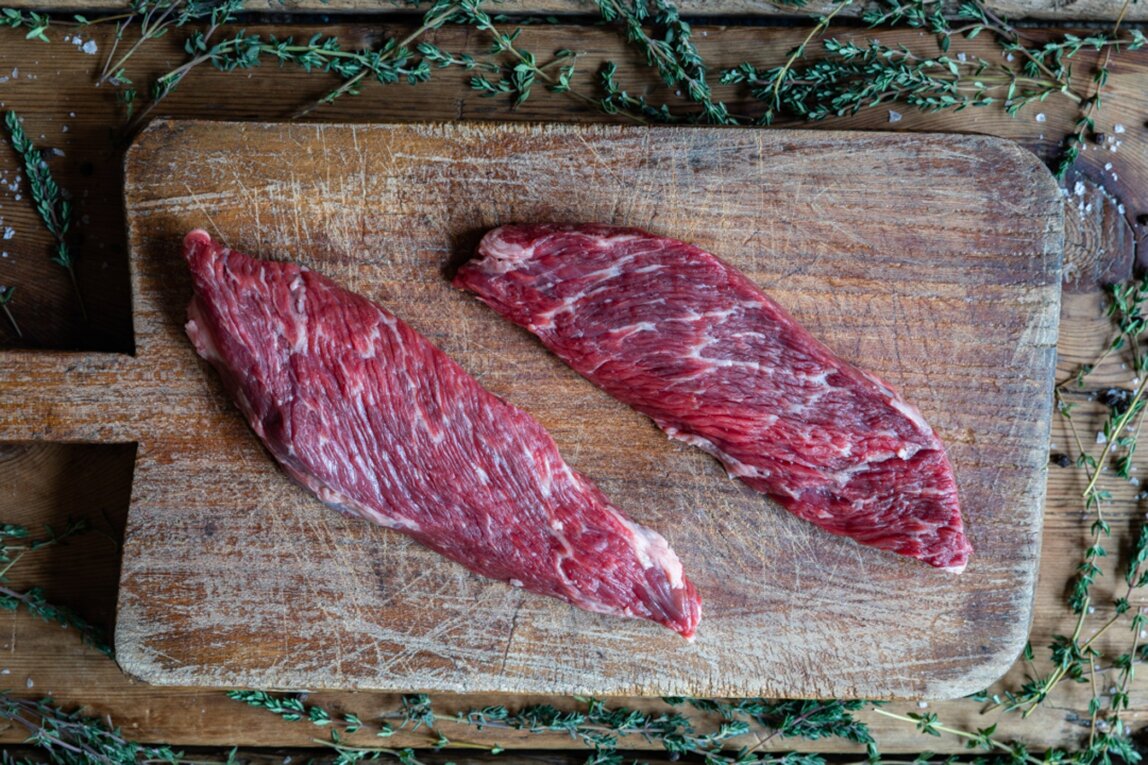
For kebabs, I’d go with Denver. Found in the forequarter and attached to the chuck, it’s a brilliant secondary steak. Well-marbled, great texture, and practical to work with, it ticks the boxes for beef kebab skewers cooked over fire.
First, the Denver has excellent natural marbling, which makes it well suited to barbecue cooking. The direct heat from charcoal or flame can dry out lean cuts quickly, but intramuscular fat helps the meat stay juicy as it cooks. And of course, fat equals flavour.
Second, the Denver has a loose, open texture. That means it takes on marinade or seasoning more effectively than tighter-grained cuts, which helps when you’re prepping meat for skewers.
Third, it’s a straightforward cut to work with. Its shape makes dicing easy with minimal waste. Compared to some prime steaks, which require trimming, the Denver is efficient and ready to go. For me, it’s the best beef for kebabs.
Why don’t leaner or tougher cuts perform as well on kebabs, even though they work in other dishes?
Lean beef can be tricky on the barbecue. It’s more likely to dry out when exposed to high, direct heat. Even if you take a gentler approach, keeping the meat further from the flames, lean cuts still tend to lose moisture. That’s why they often disappoint when skewered.
Tougher cuts are less of a concern, depending on the context. Kebab cooking is primal, meat over fire, eaten with your hands, and a bit of chew can be part of the pleasure. Of course, you wouldn’t want to dice shin or any cut with lots of connective tissue, as it won’t have time to break down over a quick grill. But we shouldn’t be afraid of cuts that ask a little more from the eater. Some of the most flavourful beef has a bit of bite.
Can a different cut work just as well for kebabs in certain cases, depending on how you marinate or cook it, or the texture you’re after?
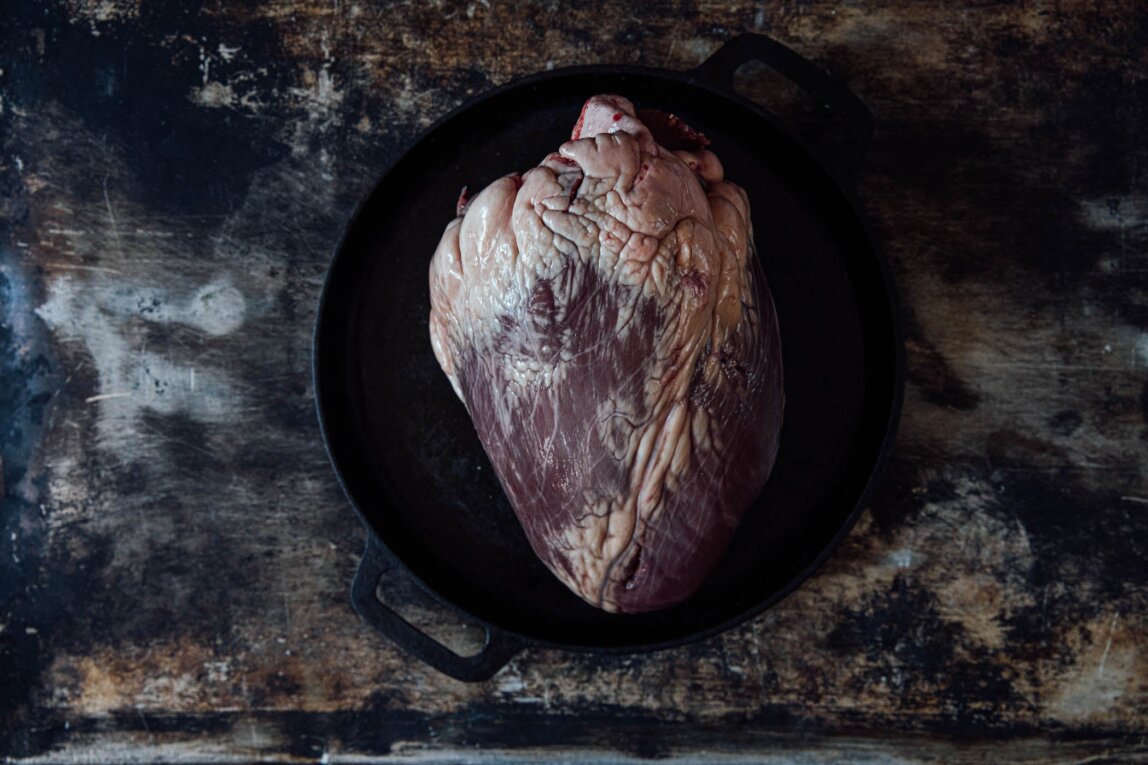
Ox heart is a brilliant, underrated option for skewers. It’s a bit unconventional, but it works. While it’s technically very lean, it behaves differently to most lean beef. As a muscle that’s constantly working, it’s dense, deeply flavoured, and holds up exceptionally well to high heat.
Cook it hot and fast and serve it medium, and it stays tender, with a rich, almost gamey character. It also responds well to bold marinades, as seen in George Ryle’s recipe for ox heart with flatbread, tahini dressing, and pickled chillies. If you want an alternative cut of beef for kebabs, ox heart is well worth trying.