How-To Guides

How to Cook Saddle of Venison

What Is Saddle of Venison?

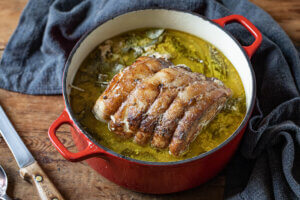
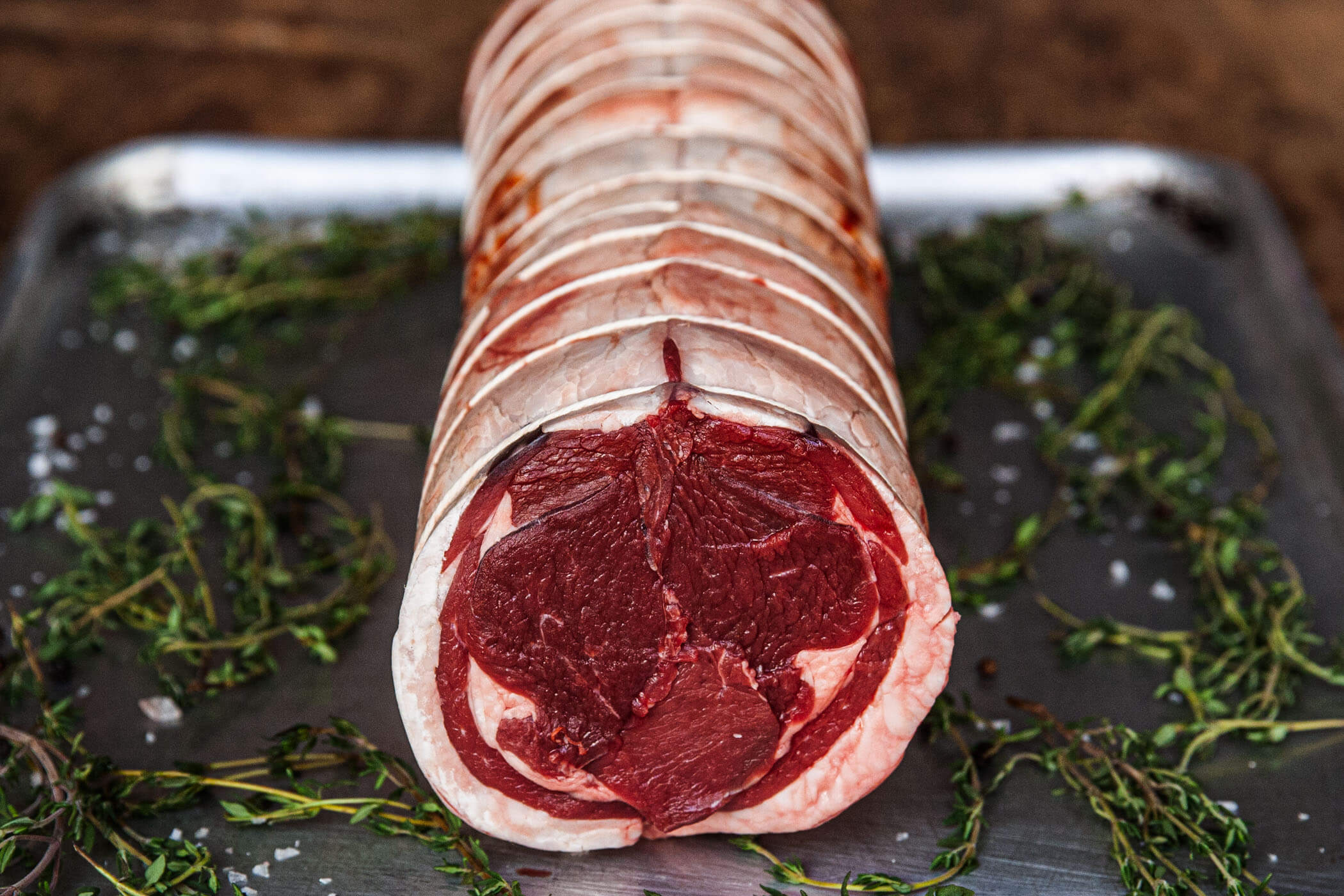
How to Cook Saddle of Venison: The venison saddle, taken from the back of the deer and comprising the two loins, is a premium cut prized for its tenderness and rich flavour. Delivered deboned and expertly prepared, Swaledale’s venison saddle is neatly rolled and secured with butcher’s string, ensuring the joint holds together perfectly during cooking.

We recommend roasting your venison saddle low and slow for maximum flavour and juiciness. As one of the leanest and most tender cuts of venison, it’s a refined option for the colder months, delivering deep, satisfying flavour without the heaviness of fattier meats.

A fabulously tasty and tender alternative to the classic Christmas Bronze turkey, slow-roasted saddle of venison is a showstopping centrepiece. Ideal for special occasions or festive celebrations, this dish is perfect for sharing with family and friends.

Saddle of Venison Cooking Time

Higher temperatures tend to dry out a venison saddle joint, so the best method for achieving a mouth-watering, medium-rare roast is to quickly brown the outside of the joint in a pan with foaming butter before transferring it to the oven at 160–170°C.

For precision, we always recommend using a meat thermometer. Aim for the venison saddle to reach an internal temperature of 53–54°C after resting to ensure perfect medium-rare results. If you don’t have a meat thermometer, cooking times will vary based on the size of the joint. As a general guide, allow approximately 15 minutes of cooking time per 500g of venison saddle.

How to Cook Venison Saddle

  1. Preparing the Venison Saddle: Take your venison saddle out of the fridge, remove it from the vacuum packaging, and pat dry any moisture. Allow the meat to come up to room temperature, as this ensures even cooking.
  2. Preheat the Oven and Prepare the Pan: Preheat your oven to 170ºC/Fan 150ºC/Gas 3. Heat a heavy-based frying pan on the hob until it starts to smoke lightly.
  3. Season and Brown the Saddle: Rub the venison saddle with olive oil and season generously with coarse sea salt and cracked black pepper. Place the saddle in the hot pan and begin browning the meat, keeping it moving around the pan and rotating it to seal all sides evenly.
  4. Baste with Butter: Once sealed on all sides, add a knob of butter to the pan. Reduce the heat slightly and baste the saddle in the foaming butter, rotating and basting continuously to coat all sides thoroughly.
  5. Roast the Saddle: Carefully transfer the venison saddle to a roasting tin and place it in the preheated oven. Set a timer for 10 minutes.
  6. Baste Midway Through Cooking: After 10 minutes, remove the saddle from the oven and baste it again with the pan juices before returning it to the oven for another 10 minutes.
  7. Check Temperature and Finish Cooking: Continue roasting for a total of 20–25 minutes, or until the internal temperature of the saddle reaches 48–50°C for rare to medium-rare.
  8. Rest the Saddle: Remove the venison saddle from the oven and let it rest in a warm place for at least 20 minutes. Resting allows the juices to redistribute, ensuring tender and flavourful meat.

This method ensures a perfectly cooked venison saddle with a caramelised exterior and tender, juicy interior.

Top Tips:

  • Season with Bold Flavours: An interesting seasoning option is to crush black pepper, juniper berries, a little picked rosemary, and sea salt in a pestle and mortar. Rub this fragrant mixture generously over the venison saddle before cooking to enhance its flavour.
  • Make a Rich Gravy: After removing the venison saddle from the oven and allowing it to rest, you can create a rich and delicious gravy using the roasting tin juices. Place the tin over medium heat, stirring to thicken the juices, then strain the gravy into a boat for serving. Drizzle this over your carved venison for a perfect finishing touch.
  • Serve Leftovers Cold: Leftover venison saddle is equally delightful when served cold. Take inspiration from Scandinavian flavours by preparing a vibrant salad with sliced venison saddle, crispy onions, redcurrants, pickled fennel, and dill. Dress with a drizzle of oil and a sprinkle of sea salt for a dish that offers an exciting mix of flavours and textures in every bite.
  • Transform into a Shepherd’s Pie: Alternatively, transform the cold meat into a luxurious take on shepherd’s pie. Use the venison to create a rich, gamey filling topped with creamy mashed potatoes for a truly indulgent twist on a classic comfort food.

How to Carve Venison Saddle:

  • Carve your venison saddle widthways into thin, even slices to ensure each piece is tender and easy to serve. Use a sharp carving knife and steady strokes for clean cuts. Plan for approximately 200g of meat per person, adjusting slightly based on appetite or serving size.
  • For presentation, arrange the slices on a warm platter, slightly overlapping, and drizzle with any reserved gravy or pan juices for added flavour. This method not only enhances the visual appeal but also keeps the meat moist and delicious.

Roast Venison Saddle Recipe:

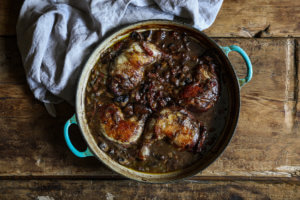
This stunning Roast Venison Saddle Recipe by George Ryle showcases tender, flavourful venison loin, expertly paired with the rich, hearty taste of red wine-braised lentils, caramelised radicchio, and the tangy bite of pickled walnuts. A true celebration of winter’s finest ingredients, this dish combines the bold, earthy flavours of game meat with vibrant accompaniments, creating a show-stopping centrepiece for festive feasts or special occasions. Whether you’re hosting a dinner party or looking for a unique alternative to a traditional roast, this venison saddle recipe is a must-try for showcasing the beauty of heritage meat.

Order meat online

Instagram

  • Chef George Ryle @grylos, signing off the year with us.

A delicious Christmas ham glaze.
Nothing clever. Nothing rushed, but some useful tips. 

Thank you for watching, cooking along, and sticking with us this year.

Merry Christmas.
  • We like doing things properly. Smoking is one of them.
It is not sterile or shiny. But have you ever been to a smokehouse in Arbroath? If you have, you will know what this looks like. That black tar on the walls comes from years of smoke and years of meat. That is the point.

We still smoke food properly. Many do not. Much of what you see labelled as smoked has barely seen smoke at all. For us, that matters. Food done properly matters. It will matter even more in the years ahead.

So when you buy something from us and it says smoked, you know exactly what that means.
  • Much of the beef on tables and in kitchens at this time of year comes from Bill Whittaker’s herd of Belted Galloway cattle.

They graze land in the shadow of Ingleborough, feeding on diverse forage shaped by limestone ground. It is land that suits the cattle, and cattle that suit the land.

We usually receive Bill’s beef once a year, when it is ready. It is always a good moment when it arrives. Beef like this cannot be rushed. It follows the season.

This is the way we like to work. Smaller farms, running the right cattle on the right ground, producing beef that fits the rhythm of the year.

As we head into the new year, we are always keen to hear from other farmers working with native breeds, regenerative systems, and properly pasture-fed livestock. If that sounds like you, and you have something coming through, do get in touch.
  • Sometimes it takes a new perspective, a fresh angle, to see the value in things. To reverse a perception that might be long held and deeply ingrained. But when we achieve that moment of clarity, the bright light of revelation, the effect can be significant. A door opened and a new future imagined. 

Too much? Well, probably. But maybe, just maybe your eyes really are being opened to a new way. A future of menu writing with the possibility of a new ‘butchers’ steak’; move over bavette, onglet and Denver and step into the spotlight the chuck eye steak. 

Traditionally, a chuck, to butchers and chefs is most likely to conjure images of pies, stews and bourguignons. Your archetypal braising cut, or so it had been assumed. We don’t believe it should be confined by these parameters and are rather taken with the idea of it becoming your new favourite secondary steak. The chuck is the muscle that extends from the ribeye into the neck, like a pork collar, meaning it has good natural marbling and a nice, open texture. Cooked pink, with a great crust and basted in brown butter, it truly is an excellent steak.

For maximum value, snaffle yourself a whole chuck, trim away some of the meat that runs around the eye, reserving for something braised and delicious, then cut yourself some choice steaks. You won’t regret it.
  • A rich, booze-laden beast of a pie. This is no ordinary mince pie. It is deep-filled, indulgent and made with real craft by @joshwhiteheadchef of @finer_pleasures.

We are down to the last few. Our mailing list heard about them yesterday, which is why they are moving quickly. If you want first sight of future specials, sign up.

Josh has been working on this recipe for three years. It is rooted in Hannah Glasse’s 1747 mince pie, where meat was once part of the mix. He has taken that idea and turned it on its head, using the clean, buttery fat from our native-breed cattle in place of suet.

The filling is dried fruit soaked since July in Armagnac, aged port, Madeira and homemade ginger wine. There are ceps cooked slowly in brown sugar syrup until they turn to toffee. And yes, a little Bovril. Trust Josh, it works.

Bake at 185°C until golden, let it sit for two minutes, then eat warm. A dusting of icing sugar finishes it well. Serve with cream, custard or brandy butter.

A very special mince pie, and nearly gone.
  • Highland cattle get photographed a lot. They are turned into cuddly toys. But beneath the coat is a hardy animal that can stand the worst of a Yorkshire winter. That is why Andy Lambert grazes them high on the Dales, on rough ground where few other breeds would thrive. They are the one of the few cattle that can turn this hard landscape into rich, delicious beef. It feeds our chefs and home cooks across the country. We are grateful for them, and it is always a pleasure to see them on the tops.
  • A ragù alla bolognese with a few top tips from chef @grylos.

Beef, pork, and a little surprise at the end for real depth. Slow cooked until rich, deep, and properly delicious.

Find the full recipe on our journal and cook it slow this weekend. What’s your secret to a good bolognese?

@grylos 
@tom_saunderson
  • We love yellow fat. Do you?

This is an old Dexter. You do not see beef like this every day. When one comes in, we get a little excited.
Chef George Ryle @grylos, signing off the year with us. A delicious Christmas ham glaze. Nothing clever. Nothing rushed, but some useful tips. Thank you for watching, cooking along, and sticking with us this year. Merry Christmas.
1 week ago
View on Instagram |
1/8
We like doing things properly. Smoking is one of them. It is not sterile or shiny. But have you ever been to a smokehouse in Arbroath? If you have, you will know what this looks like. That black tar on the walls comes from years of smoke and years of meat. That is the point. We still smoke food properly. Many do not. Much of what you see labelled as smoked has barely seen smoke at all. For us, that matters. Food done properly matters. It will matter even more in the years ahead. So when you buy something from us and it says smoked, you know exactly what that means.
1 week ago
View on Instagram |
2/8
Much of the beef on tables and in kitchens at this time of year comes from Bill Whittaker’s herd of Belted Galloway cattle.

They graze land in the shadow of Ingleborough, feeding on diverse forage shaped by limestone ground. It is land that suits the cattle, and cattle that suit the land.

We usually receive Bill’s beef once a year, when it is ready. It is always a good moment when it arrives. Beef like this cannot be rushed. It follows the season.

This is the way we like to work. Smaller farms, running the right cattle on the right ground, producing beef that fits the rhythm of the year.

As we head into the new year, we are always keen to hear from other farmers working with native breeds, regenerative systems, and properly pasture-fed livestock. If that sounds like you, and you have something coming through, do get in touch.
Much of the beef on tables and in kitchens at this time of year comes from Bill Whittaker’s herd of Belted Galloway cattle.

They graze land in the shadow of Ingleborough, feeding on diverse forage shaped by limestone ground. It is land that suits the cattle, and cattle that suit the land.

We usually receive Bill’s beef once a year, when it is ready. It is always a good moment when it arrives. Beef like this cannot be rushed. It follows the season.

This is the way we like to work. Smaller farms, running the right cattle on the right ground, producing beef that fits the rhythm of the year.

As we head into the new year, we are always keen to hear from other farmers working with native breeds, regenerative systems, and properly pasture-fed livestock. If that sounds like you, and you have something coming through, do get in touch.
Much of the beef on tables and in kitchens at this time of year comes from Bill Whittaker’s herd of Belted Galloway cattle.

They graze land in the shadow of Ingleborough, feeding on diverse forage shaped by limestone ground. It is land that suits the cattle, and cattle that suit the land.

We usually receive Bill’s beef once a year, when it is ready. It is always a good moment when it arrives. Beef like this cannot be rushed. It follows the season.

This is the way we like to work. Smaller farms, running the right cattle on the right ground, producing beef that fits the rhythm of the year.

As we head into the new year, we are always keen to hear from other farmers working with native breeds, regenerative systems, and properly pasture-fed livestock. If that sounds like you, and you have something coming through, do get in touch.
Much of the beef on tables and in kitchens at this time of year comes from Bill Whittaker’s herd of Belted Galloway cattle.

They graze land in the shadow of Ingleborough, feeding on diverse forage shaped by limestone ground. It is land that suits the cattle, and cattle that suit the land.

We usually receive Bill’s beef once a year, when it is ready. It is always a good moment when it arrives. Beef like this cannot be rushed. It follows the season.

This is the way we like to work. Smaller farms, running the right cattle on the right ground, producing beef that fits the rhythm of the year.

As we head into the new year, we are always keen to hear from other farmers working with native breeds, regenerative systems, and properly pasture-fed livestock. If that sounds like you, and you have something coming through, do get in touch.
Much of the beef on tables and in kitchens at this time of year comes from Bill Whittaker’s herd of Belted Galloway cattle.

They graze land in the shadow of Ingleborough, feeding on diverse forage shaped by limestone ground. It is land that suits the cattle, and cattle that suit the land.

We usually receive Bill’s beef once a year, when it is ready. It is always a good moment when it arrives. Beef like this cannot be rushed. It follows the season.

This is the way we like to work. Smaller farms, running the right cattle on the right ground, producing beef that fits the rhythm of the year.

As we head into the new year, we are always keen to hear from other farmers working with native breeds, regenerative systems, and properly pasture-fed livestock. If that sounds like you, and you have something coming through, do get in touch.
Much of the beef on tables and in kitchens at this time of year comes from Bill Whittaker’s herd of Belted Galloway cattle.

They graze land in the shadow of Ingleborough, feeding on diverse forage shaped by limestone ground. It is land that suits the cattle, and cattle that suit the land.

We usually receive Bill’s beef once a year, when it is ready. It is always a good moment when it arrives. Beef like this cannot be rushed. It follows the season.

This is the way we like to work. Smaller farms, running the right cattle on the right ground, producing beef that fits the rhythm of the year.

As we head into the new year, we are always keen to hear from other farmers working with native breeds, regenerative systems, and properly pasture-fed livestock. If that sounds like you, and you have something coming through, do get in touch.
Much of the beef on tables and in kitchens at this time of year comes from Bill Whittaker’s herd of Belted Galloway cattle. They graze land in the shadow of Ingleborough, feeding on diverse forage shaped by limestone ground. It is land that suits the cattle, and cattle that suit the land. We usually receive Bill’s beef once a year, when it is ready. It is always a good moment when it arrives. Beef like this cannot be rushed. It follows the season. This is the way we like to work. Smaller farms, running the right cattle on the right ground, producing beef that fits the rhythm of the year. As we head into the new year, we are always keen to hear from other farmers working with native breeds, regenerative systems, and properly pasture-fed livestock. If that sounds like you, and you have something coming through, do get in touch.
2 weeks ago
View on Instagram |
3/8
Sometimes it takes a new perspective, a fresh angle, to see the value in things. To reverse a perception that might be long held and deeply ingrained. But when we achieve that moment of clarity, the bright light of revelation, the effect can be significant. A door opened and a new future imagined. Too much? Well, probably. But maybe, just maybe your eyes really are being opened to a new way. A future of menu writing with the possibility of a new ‘butchers’ steak’; move over bavette, onglet and Denver and step into the spotlight the chuck eye steak. Traditionally, a chuck, to butchers and chefs is most likely to conjure images of pies, stews and bourguignons. Your archetypal braising cut, or so it had been assumed. We don’t believe it should be confined by these parameters and are rather taken with the idea of it becoming your new favourite secondary steak. The chuck is the muscle that extends from the ribeye into the neck, like a pork collar, meaning it has good natural marbling and a nice, open texture. Cooked pink, with a great crust and basted in brown butter, it truly is an excellent steak. For maximum value, snaffle yourself a whole chuck, trim away some of the meat that runs around the eye, reserving for something braised and delicious, then cut yourself some choice steaks. You won’t regret it.
3 weeks ago
View on Instagram |
4/8
A rich, booze-laden beast of a pie. This is no ordinary mince pie. It is deep-filled, indulgent and made with real craft by @joshwhiteheadchef of @finer_pleasures.

We are down to the last few. Our mailing list heard about them yesterday, which is why they are moving quickly. If you want first sight of future specials, sign up.

Josh has been working on this recipe for three years. It is rooted in Hannah Glasse’s 1747 mince pie, where meat was once part of the mix. He has taken that idea and turned it on its head, using the clean, buttery fat from our native-breed cattle in place of suet.

The filling is dried fruit soaked since July in Armagnac, aged port, Madeira and homemade ginger wine. There are ceps cooked slowly in brown sugar syrup until they turn to toffee. And yes, a little Bovril. Trust Josh, it works.

Bake at 185°C until golden, let it sit for two minutes, then eat warm. A dusting of icing sugar finishes it well. Serve with cream, custard or brandy butter.

A very special mince pie, and nearly gone.
A rich, booze-laden beast of a pie. This is no ordinary mince pie. It is deep-filled, indulgent and made with real craft by @joshwhiteheadchef of @finer_pleasures.

We are down to the last few. Our mailing list heard about them yesterday, which is why they are moving quickly. If you want first sight of future specials, sign up.

Josh has been working on this recipe for three years. It is rooted in Hannah Glasse’s 1747 mince pie, where meat was once part of the mix. He has taken that idea and turned it on its head, using the clean, buttery fat from our native-breed cattle in place of suet.

The filling is dried fruit soaked since July in Armagnac, aged port, Madeira and homemade ginger wine. There are ceps cooked slowly in brown sugar syrup until they turn to toffee. And yes, a little Bovril. Trust Josh, it works.

Bake at 185°C until golden, let it sit for two minutes, then eat warm. A dusting of icing sugar finishes it well. Serve with cream, custard or brandy butter.

A very special mince pie, and nearly gone.
A rich, booze-laden beast of a pie. This is no ordinary mince pie. It is deep-filled, indulgent and made with real craft by @joshwhiteheadchef of @finer_pleasures.

We are down to the last few. Our mailing list heard about them yesterday, which is why they are moving quickly. If you want first sight of future specials, sign up.

Josh has been working on this recipe for three years. It is rooted in Hannah Glasse’s 1747 mince pie, where meat was once part of the mix. He has taken that idea and turned it on its head, using the clean, buttery fat from our native-breed cattle in place of suet.

The filling is dried fruit soaked since July in Armagnac, aged port, Madeira and homemade ginger wine. There are ceps cooked slowly in brown sugar syrup until they turn to toffee. And yes, a little Bovril. Trust Josh, it works.

Bake at 185°C until golden, let it sit for two minutes, then eat warm. A dusting of icing sugar finishes it well. Serve with cream, custard or brandy butter.

A very special mince pie, and nearly gone.
A rich, booze-laden beast of a pie. This is no ordinary mince pie. It is deep-filled, indulgent and made with real craft by @joshwhiteheadchef of @finer_pleasures.

We are down to the last few. Our mailing list heard about them yesterday, which is why they are moving quickly. If you want first sight of future specials, sign up.

Josh has been working on this recipe for three years. It is rooted in Hannah Glasse’s 1747 mince pie, where meat was once part of the mix. He has taken that idea and turned it on its head, using the clean, buttery fat from our native-breed cattle in place of suet.

The filling is dried fruit soaked since July in Armagnac, aged port, Madeira and homemade ginger wine. There are ceps cooked slowly in brown sugar syrup until they turn to toffee. And yes, a little Bovril. Trust Josh, it works.

Bake at 185°C until golden, let it sit for two minutes, then eat warm. A dusting of icing sugar finishes it well. Serve with cream, custard or brandy butter.

A very special mince pie, and nearly gone.
A rich, booze-laden beast of a pie. This is no ordinary mince pie. It is deep-filled, indulgent and made with real craft by @joshwhiteheadchef of @finer_pleasures.

We are down to the last few. Our mailing list heard about them yesterday, which is why they are moving quickly. If you want first sight of future specials, sign up.

Josh has been working on this recipe for three years. It is rooted in Hannah Glasse’s 1747 mince pie, where meat was once part of the mix. He has taken that idea and turned it on its head, using the clean, buttery fat from our native-breed cattle in place of suet.

The filling is dried fruit soaked since July in Armagnac, aged port, Madeira and homemade ginger wine. There are ceps cooked slowly in brown sugar syrup until they turn to toffee. And yes, a little Bovril. Trust Josh, it works.

Bake at 185°C until golden, let it sit for two minutes, then eat warm. A dusting of icing sugar finishes it well. Serve with cream, custard or brandy butter.

A very special mince pie, and nearly gone.
A rich, booze-laden beast of a pie. This is no ordinary mince pie. It is deep-filled, indulgent and made with real craft by @joshwhiteheadchef of @finer_pleasures. We are down to the last few. Our mailing list heard about them yesterday, which is why they are moving quickly. If you want first sight of future specials, sign up. Josh has been working on this recipe for three years. It is rooted in Hannah Glasse’s 1747 mince pie, where meat was once part of the mix. He has taken that idea and turned it on its head, using the clean, buttery fat from our native-breed cattle in place of suet. The filling is dried fruit soaked since July in Armagnac, aged port, Madeira and homemade ginger wine. There are ceps cooked slowly in brown sugar syrup until they turn to toffee. And yes, a little Bovril. Trust Josh, it works. Bake at 185°C until golden, let it sit for two minutes, then eat warm. A dusting of icing sugar finishes it well. Serve with cream, custard or brandy butter. A very special mince pie, and nearly gone.
3 weeks ago
View on Instagram |
5/8
Highland cattle get photographed a lot. They are turned into cuddly toys. But beneath the coat is a hardy animal that can stand the worst of a Yorkshire winter. That is why Andy Lambert grazes them high on the Dales, on rough ground where few other breeds would thrive. They are the one of the few cattle that can turn this hard landscape into rich, delicious beef. It feeds our chefs and home cooks across the country. We are grateful for them, and it is always a pleasure to see them on the tops.
4 weeks ago
View on Instagram |
6/8
A ragù alla bolognese with a few top tips from chef @grylos. Beef, pork, and a little surprise at the end for real depth. Slow cooked until rich, deep, and properly delicious. Find the full recipe on our journal and cook it slow this weekend. What’s your secret to a good bolognese? @grylos @tom_saunderson
4 weeks ago
View on Instagram |
7/8
We love yellow fat. Do you? This is an old Dexter. You do not see beef like this every day. When one comes in, we get a little excited.
1 month ago
View on Instagram |
8/8